Español
  English

The GLP-1 Patient Journey: What to Expect Beyond the Before-and-After Photos

The dramatic success stories of weight loss with GLP-1 agonists have dominated headlines and social media feeds, showcasing impressive before-and-after transformations. But the real-world patient journey is far more nuanced than a quick photo slideshow. For those considering or just beginning medications like Wegovy or Ozempic, understanding the full picture—from the initial side effects to the long-term lifestyle changes—is essential for success and managing expectations.
This guide (updated for 2025) will walk you through the typical patient experience on a GLP-1 agonist, providing a realistic look at the challenges, triumphs, and practical adjustments that go hand-in-hand with this revolutionary class of drugs.
Understanding the Initial Weeks: Adjusting to the Medication
The beginning of the GLP-1 journey is often the most challenging. The active ingredient, semaglutide, works by slowing digestion and affecting the brain’s appetite centers. This powerful mechanism can cause initial side effects as your body adjusts.
Common Side Effects to Expect:
- Gastrointestinal Discomfort: Nausea, vomiting, diarrhea, and constipation are the most frequently reported side effects. Patients often describe a feeling of fullness or “heavy stomach.” These symptoms are usually most pronounced after the first few injections or with each dose escalation.
- Fatigue: A feeling of tiredness or low energy is common as your body adapts to the new medication and calorie intake.
- Food Aversions: Many patients report a sudden disinterest in certain foods, particularly high-fat, fried, or sugary items that can worsen gastrointestinal symptoms.
Patient testimonials from 2025 indicate that these side effects are often temporary. One user noted, “The first two weeks were rough with nausea and fatigue, but my doctor told me to stick with it. By the fourth week, the side effects had faded, and the appetite suppression was a game-changer.” Another common tip from users is to eat small, frequent meals and avoid rich foods to minimize discomfort.
The Heart of the Journey: Redefining Your Relationship with Food
Once the initial side effects subside, the true power of the medication becomes clear. Patients often describe a profound shift in their relationship with food. The constant “food noise”—the persistent thoughts about what, when, and how much to eat—quiets down.
Key Experiential Changes:
- Appetite Suppression: A significant reduction in hunger is the most celebrated effect. Cravings for sugar and unhealthy foods often disappear.
- Early Satiety: You feel full much faster, often after eating only a small portion of a meal. Many patients find they can’t finish a typical restaurant portion.
- Mindful Eating Becomes Easier: With hunger no longer a primary driver, patients find they can make calmer, more rational food choices. A recent patient review noted, “For the first time in years, I’m making good food choices without having to ‘fight’ my cravings.”
This is the phase where patients experience significant weight loss, but it’s also where the importance of lifestyle changes becomes paramount. The medication provides the tool, but you must use it to build healthier habits.
Optimizing Your Journey and Managing Expectations
Simply taking the medication isn’t a guarantee of success. To maximize results and ensure long-term health, patients must actively engage in their well-being.
Essential Practices on a GLP-1 Agonist:
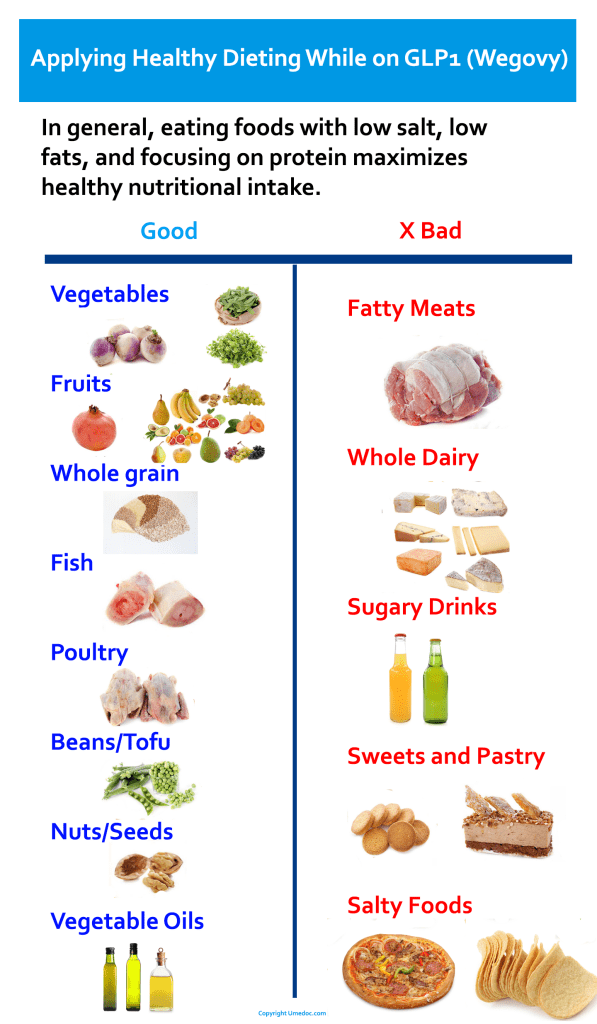
- Prioritize Protein: With a reduced appetite, it’s easy to not eat enough. Focusing on lean protein (chicken, fish, eggs, Greek yogurt) is crucial to prevent muscle loss, which can occur during rapid weight loss.
- Stay Hydrated: Drinking plenty of water is essential to combat constipation and dehydration, common side effects of slower digestion.
- Incorporate Exercise: While patients often lose weight without exercise, adding strength training and regular walks is vital to preserve muscle mass and improve overall health. Many patients report having more energy to exercise as they lose weight.
- Plan for Maintenance: The FDA has declared the recent shortage of semaglutide resolved as of 2025, but future supply challenges and high costs mean that a long-term plan is necessary. Discuss maintenance doses and a strategy for post-medication life with your doctor.
Conclusions and Key Takeaways
- The GLP-1 patient journey begins with a period of adjustment to common side effects like nausea and constipation, which usually subside.
- The medication’s primary effect is a powerful reduction in appetite and food cravings, which can be life-changing for many.
- Success is not just about weight loss; it’s about building sustainable habits by prioritizing protein, staying hydrated, and incorporating exercise to prevent muscle loss.
- GLP-1s are a powerful tool, but they are not a substitute for a healthy lifestyle. They are most effective when part of a comprehensive, medically supervised plan.
Trusted References
- U.S. Food and Drug Administration (FDA). www.fda.gov (For drug approvals and shortage status.)
- Obesity Medicine Association (OMA). www.obesitymedicine.org (For clinical practice guidelines.)
- Drugs.com User Reviews. www.drugs.com (For patient-reported experiences and testimonials.)
- American Medical Association (AMA). www.ama-assn.org (For professional insights on medication management.)
Integrating Wegovy with a healthy diet and lifestyle modifications is crucial for effective and sustainable weight loss. For detailed meal suggestions and guidance, refer to our Wegovy Diet Plan PDF.
About Umedoc Health Blog
At Umedoc, we’re committed to providing updated, accurate, and accessible health information to empower your wellness decisions. For more tips, health updates, and medical guidance, subscribe or bookmark our blog today.

This article reviewed by Dr. Jim Liu, MD.
There’s nothing more important than our good health – that’s our principal capital asset.
#medical #telehealth #umedoc #ecnoglutide #GLP #weight loss #Wegovy #diet