Español
  English

What Does a Poison Oak Rash Look Like?
Introduction
Poison oak is a plant found in various regions, particularly in the western United States, that can cause an itchy, uncomfortable rash upon contact. The rash results from an allergic reaction to urushiol, an oil present in the plant’s leaves, stems, and roots. This condition is similar to reactions from poison ivy or sumac, affecting most people who come into contact with it. Understanding its appearance and symptoms is crucial for early identification and prompt treatment to avoid complications like infection.
Appearance of the Rash
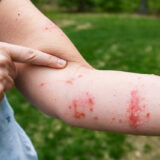
A poison oak rash typically appears as red, inflamed patches on the skin, often in streaks or lines where the plant brushed against the body. It may develop small, fluid-filled blisters that can ooze clear liquid, and the affected area might swell. The rash usually starts within 12 to 48 hours after exposure and can spread if urushiol residue remains on the skin or clothing. In severe cases, the blisters can merge into larger areas, and the skin may crust over as it heals, taking 2 to 3 weeks to fully resolve.
Symptoms
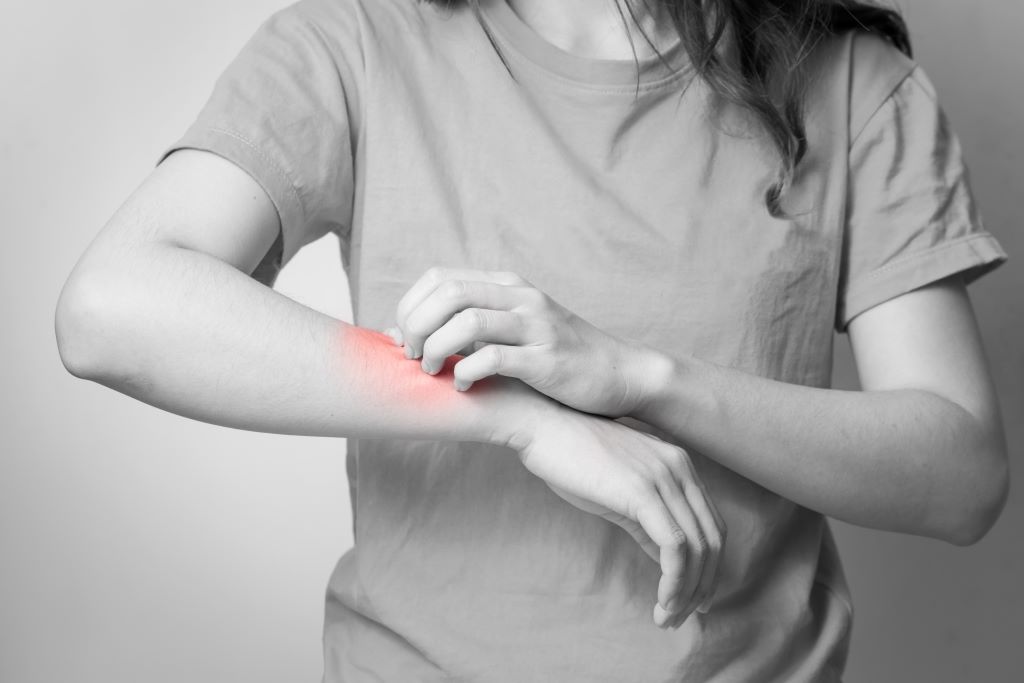
Common symptoms include intense itching, redness, and swelling at the contact site. Blisters may form, accompanied by a burning sensation. If the rash is widespread, it can lead to more discomfort, but it’s not contagious unless urushiol is transferred via objects. Systemic symptoms like fever or swollen lymph nodes are rare but may occur in severe allergic reactions.
Treatment Options
Most cases resolve on their own within two weeks, but treatments can alleviate symptoms. Over-the-counter options include calamine lotion to reduce itching, hydrocortisone cream for inflammation, and cool compresses for soothing relief. For more severe rashes, a doctor may prescribe oral corticosteroids like prednisone or stronger topical steroids. Avoid scratching to prevent bacterial infections, and wash exposed skin and clothing immediately with soap and water.
Practical Health Plans and Tips (Downloadable PDF Guide)
This section provides a step-by-step plan for prevention and management, available as a downloadable PDF for easy reference. Key tips include:
- Prevention Plan: Wear long sleeves and pants in wooded areas. Learn to identify poison oak (shiny leaves in groups of three). Use barrier creams containing bentoquatam before outdoor activities.
- Daily Management Tips: Apply cool, wet compresses for 15-20 minutes, 3-4 times a day. Use oatmeal baths to soothe itching. Trim fingernails short to avoid scratching.
- When to Seek Help: If the rash covers a large area, affects the face/eyes, or shows signs of infection (pus, fever), consult a doctor immediately.
- Weekly Tracking: Monitor rash progression in a journal, noting symptom changes and treatments used.
Download the full PDF: “Poison Oak Rash Management Plan.pdf” for printable checklists and visuals.
Conclusion
Poison oak rash, while uncomfortable, is manageable with proper identification and care. By recognizing its streaky red appearance and blistering early, you can apply effective treatments to speed recovery and prevent future exposures. Always prioritize skin protection in nature, and consult a healthcare professional for persistent or severe cases to ensure optimal health.
About Umedoc Health Blog
At Umedoc, we’re committed to providing updated, accurate, and accessible health information to empower your wellness decisions. For more tips, health updates, and medical guidance, subscribe or bookmark our blog today.

This article reviewed by Dr. Jim Liu, MD.
There’s nothing more important than our good health – that’s our principal capital asset.
#medical #telehealth #umedoc #ecnoglutide #GLP #weight loss #Wegovy #diet