Español
  English

Navigating Menopause: A Modern Guide to Managing Symptoms and Staying Healthy
Menopause is a natural and inevitable transition in every woman’s life, marking the end of her reproductive years. However, for many, this stage is accompanied by a host of challenging symptoms, from hot flashes and mood swings to disrupted sleep and hormonal changes. While a “one-size-fits-all” solution doesn’t exist, understanding the science behind menopause and exploring modern, evidence-based strategies can empower you to navigate this transition with confidence and maintain your well-being.
This guide (updated for 2025) will demystify the menopausal journey, outline key symptoms, and provide a comprehensive overview of management strategies to help you stay healthy and vibrant.
Understanding the Stages of Menopause
Menopause is a process, not a single event. It’s defined as having gone 12 consecutive months without a menstrual period. The entire transition, however, is broken into three key stages:
- Perimenopause: The “around menopause” phase. This can begin years before menopause itself, typically in your 40s. During this time, your hormone levels fluctuate wildly, leading to irregular periods and the onset of symptoms like hot flashes and mood changes.
- Menopause: The official milestone. It’s a single day in time, confirmed after 12 months without a period. At this point, your ovaries have stopped producing eggs and have drastically reduced their production of estrogen and progesterone.
- Postmenopause: The years following menopause. Many symptoms begin to subside during this time, but the long-term health risks associated with lower estrogen levels (like osteoporosis and cardiovascular disease) become more prominent.
Common Symptoms and Management Strategies
The symptoms of menopause vary widely among women, but most are directly related to the decline in estrogen.
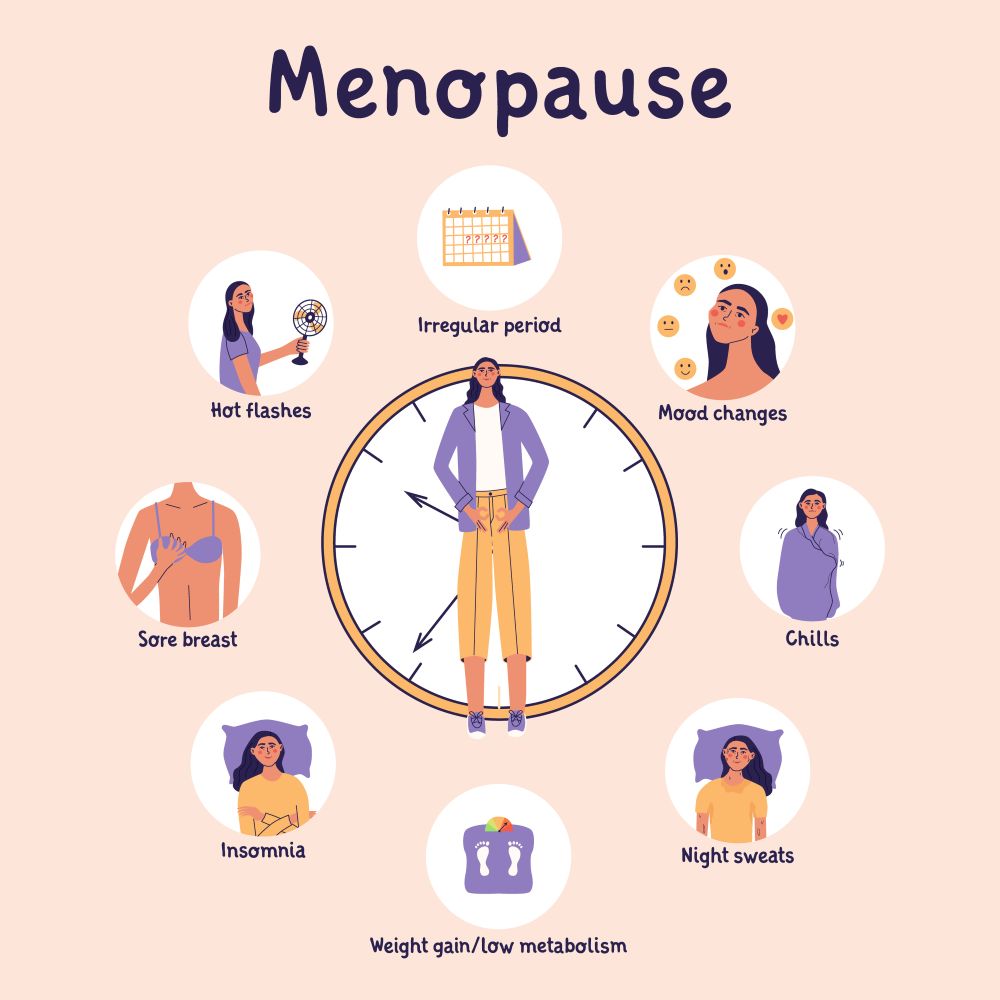
1. Hot Flashes & Night Sweats
- What they feel like: A sudden, intense feeling of heat that spreads across your chest, neck, and face, often accompanied by sweating and a rapid heartbeat. Night sweats are simply hot flashes that occur during sleep.
- Practical Tips:
- Dress in Layers: Wear clothes made of breathable fabrics like cotton.
- Manage Your Environment: Keep your bedroom cool.
- Identify Triggers: Common triggers include spicy food, caffeine, alcohol, and stress.
- Trusted Solutions: Hormone Replacement Therapy (HRT) is the most effective treatment. Non-hormonal prescription medications and cognitive-behavioral therapy can also be very helpful.
2. Sleep Disturbances
- What they feel like: Difficulty falling asleep, staying asleep, or waking up early. Night sweats can be a major disruptor.
- Practical Tips:
- Optimize Your Sleep Hygiene: Maintain a consistent sleep schedule. Keep your bedroom dark, quiet, and cool.
- Limit Stimulants: Avoid caffeine and alcohol, especially in the afternoon and evening.
- Mind-Body Connection: Incorporate relaxation techniques like meditation or gentle stretching before bed.
3. Mood Changes & Brain Fog
- Trusted Solutions: For more severe mood issues, a healthcare provider may suggest a non-hormonal antidepressant. HRT can also stabilize mood for many women.
- What they feel like: Increased irritability, anxiety, or feelings of sadness. Difficulty with memory and concentration.
- Practical Tips:
- Prioritize Physical Activity: Regular exercise, particularly aerobic activity, is a powerful mood stabilizer.
- Stay Social: Connecting with friends and family can help combat feelings of isolation.
- Practice Mindfulness: Mindful practices like deep breathing can help regulate emotions.
Long-Term Health and Wellness
Postmenopause, a focus on long-term health becomes paramount. The decline in estrogen increases the risk for two major conditions:
- Cardiovascular Disease: The leading cause of death in women.
- Osteoporosis: A condition that makes bones weak and brittle.
Practical Tips for Long-Term Health:
- Diet: Adopt a heart-healthy diet rich in fruits, vegetables, whole grains, and healthy fats. Ensure adequate calcium and Vitamin D intake for bone health.
- Exercise: Combine cardiovascular exercise with weight-bearing and resistance training to keep your heart healthy and strengthen your bones.
- Regular Check-ups: Talk to your doctor about screening for osteoporosis (bone density scans) and monitoring your cardiovascular health.
Conclusions and Key Takeaways
- Menopause is a natural transition, and symptoms are primarily driven by fluctuating estrogen levels.
- Common symptoms like hot flashes, sleep issues, and mood changes can be managed through a combination of lifestyle adjustments and medical treatments like HRT.
- Prioritizing a heart-healthy diet, regular exercise, and consistent medical check-ups is essential for long-term health in the postmenopausal years.
- Talk to your healthcare provider to create a personalized plan that works for you.
Trusted References
National Institute on Aging (NIH). www.nia.nih.gov
The North American Menopause Society (NAMS). www.menopause.org
American College of Obstetricians and Gynecologists (ACOG). www.acog.org
Mayo Clinic. www.mayoclinic.org (Search for “menopause” for general information.)
About Umedoc Health Blog
At Umedoc, we’re committed to providing updated, accurate, and accessible health information to empower your wellness decisions. For more tips, health updates, and medical guidance, subscribe or bookmark our blog today.

This article reviewed by Dr. Jim Liu, MD.
There’s nothing more important than our good health – that’s our principal capital asset.
#medical #telehealth #umedoc #ecnoglutide #GLP #weight loss #Wegovy #diet