Español
  English

The Plastic Problem: Simple Ways to Dodge Microplastics
Summary
Microplastics—tiny particles shed from plastic products—are showing up everywhere, from our water to our bloodstreams. While we can’t escape them entirely, we can significantly lower our “body burden” with a few kitchen tweaks. The biggest rules? Never heat plastic, ditch the plastic cutting boards, and filter your tap water.
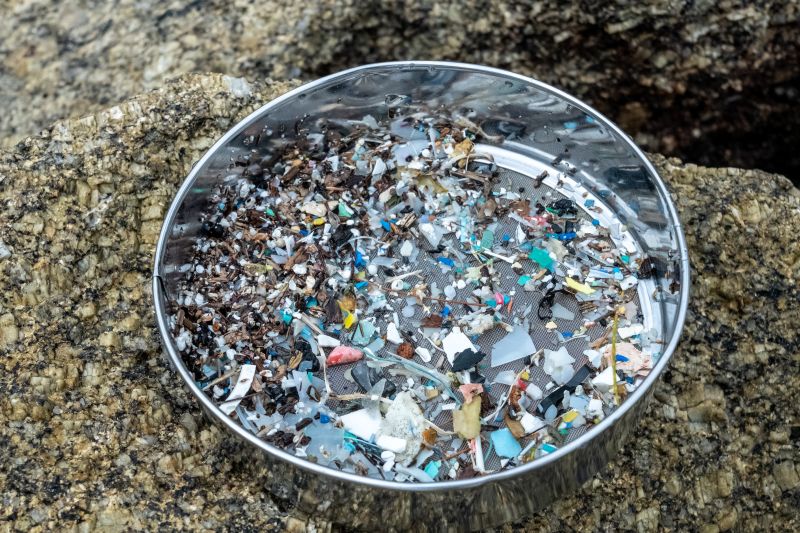
We know plastic is bad for the ocean, but we are slowly waking up to the fact that it’s not great for our bodies, either. Microplastics are microscopic fragments of plastic that enter our bodies through the food we eat, the water we drink, and even the air we breathe.
While scientists are still studying the long-term health effects (potential hormone disruption is a top concern), it makes sense to limit our exposure where we can.
The “Heat” Rule
If you remember one thing, let it be this: Heat + Plastic = Leaching.
The Dishwasher: The high heat and harsh detergents break down plastic containers over time, making them more likely to shed particles. Hand wash your plastics, or switch to glass storage.
The Microwave: Never microwave food in plastic containers, even if they say “microwave safe.” The heat accelerates the release of chemicals into your food. Transfer it to glass or ceramic.
Easy Kitchen Swaps
- Cutting Boards: Every time you slice on a plastic board, you are creating micro-cuts that release plastic bits directly into your dinner. Switch to wood or bamboo.
- Tea Bags: Many fancy “silky” tea bags are actually made of plastic mesh that melts billions of microplastics into your cup. Stick to paper tea bags or loose-leaf tea.
- Filter Your Water: A simple carbon filter pitcher or a fridge filter can remove a significant amount of microplastics from tap water.
You don’t need to live a zero-waste life to make a difference. Just keeping plastic away from heat and sharp knives cuts your exposure drastically.
Sources Cited:
Environmental Science & Technology. (2019). Plastic Teabags Release Billions of Microparticles and Nanoparticles into Tea..
Washington Post. (2024). How to reduce exposure to microplastics in food.
National Geographic. (2023). Microplastics are in our bodies. Here is why we should care.
About Umedoc Health Blog
At Umedoc, we’re committed to providing updated, accurate, and accessible health information to empower your wellness decisions. For more tips, health updates, and medical guidance, subscribe or bookmark our blog today.

This article reviewed by Dr. Jim Liu, MD.
There’s nothing more important than our good health – that’s our principal capital asset.
#medical #telehealth #umedoc #ecnoglutide #GLP #weight loss #Wegovy #diet