 Español
  English

How Sleep Affects Metabolism and Supports Weight Loss
Why Does Sleep Matter for Weight Loss?
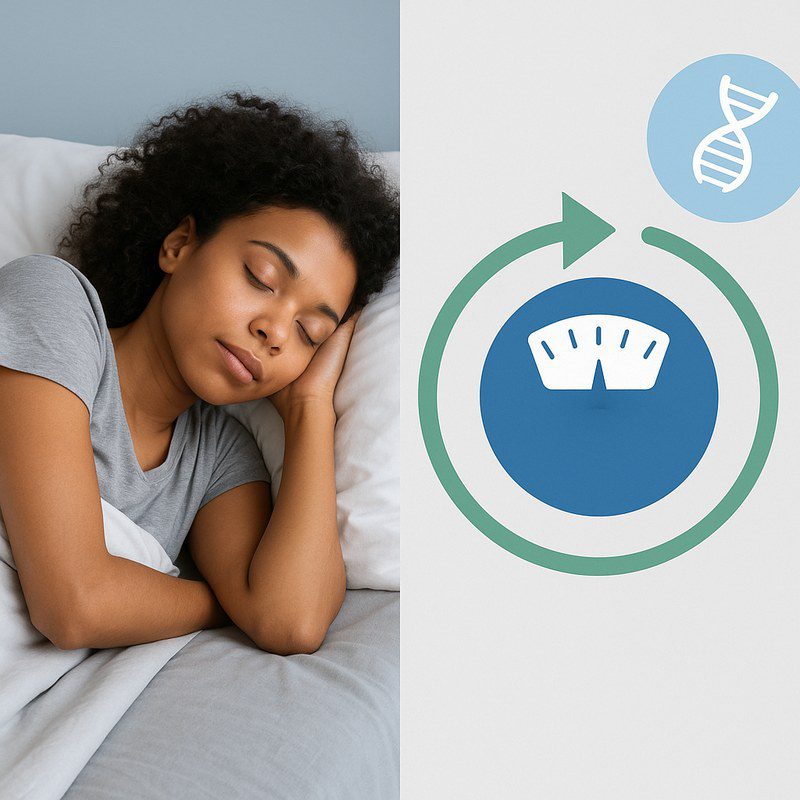
Sleep affects how your body processes energy and controls hunger. Poor sleep can slow metabolism and increase appetite hormones, making weight loss harder. Quality sleep helps balance hormones like GLP-1 that signal fullness.
How Much Sleep Do Adults Need for Metabolic Health?
Most adults should aim for 7 to 9 hours of sleep per night. This range supports hormone balance, energy levels, and recovery, all important for maintaining a healthy weight.
Can Improving Sleep Alone Promote Weight Loss?
Better sleep can aid weight management but works best alongside diet, exercise, and stress control. Sleep supports metabolism and appetite regulation, making other healthy habits easier to maintain.
What Are Practical Steps to Improve Sleep and Metabolism?
- Set a consistent bedtime and wake time, even on weekends.
- Create a relaxing pre-sleep routine like reading or gentle stretching.
- Limit screen time and bright lights an hour before bed.
- Keep your bedroom cool, dark, and quiet.
- Avoid caffeine and heavy meals close to bedtime.
How Do Diet and Stress Interact with Sleep for Weight Loss?
A balanced diet rich in fiber and protein supports fullness and energy. Managing stress through mindfulness or breathing exercises can lower cortisol, a hormone linked to weight gain and disrupted sleep.
An At-Home Plan to Support Weight Loss Through Sleep and Daily Habits
- Sleep: Prioritize 7-9 hours nightly with a regular schedule.
- Diet: Eat whole foods, focusing on fiber and protein.
- Exercise: Include moderate activity like walking or yoga most days.
- Stress Management: Practice daily relaxation such as meditation.
- Routine: Combine these habits consistently for best results.
When to Consult a Clinician
If you experience ongoing fatigue, difficulty losing weight despite good habits, or sleep problems affecting daily life, seek medical advice. Persistent issues may require tailored evaluation and support.
Disclaimer
This content is informational and not medical advice. Consult a licensed clinician.
References
- CDC: How Much Sleep Do I Need?
- Sleep and Metabolism: A Review
- American Psychological Association: Stress Management
For more health insights, visit our healthcare blog.
Keep it simple. Start with one small step. Choose whole foods more often. Move your body each day. Sleep at a regular time. Drink enough water. Talk with your doctor if you need help.
About Umedoc Health Blog
At Umedoc, we’re committed to providing updated, accurate, and accessible health information to empower your wellness decisions. For more tips, health updates, and medical guidance, subscribe or bookmark our blog today.
For more tips, health updates, and medical guidance, subscribe or bookmark our blog today.

This article reviewed by Dr. Jim Liu, MD.
There’s nothing more important than our good health – that’s our principal capital asset.
#medical #telehealth #umedoc #GLP1 #weightloss