 Español
  English

Daily Tracking: A Practical Plan for Healthy Weight Loss
Step-by-Step Daily Tracking Plan for Weight Loss
Tracking your daily habits can be a powerful way to support gradual, healthy weight loss. Here is a simple, practical plan you can follow:
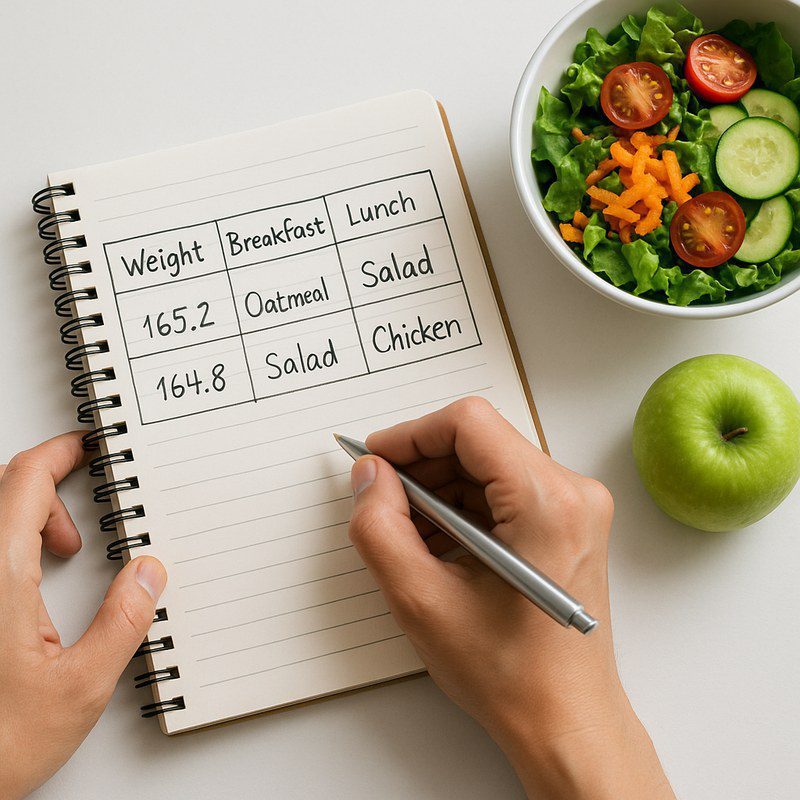
- Record Your Meals: Write down what you eat each day, focusing on portion sizes and food types. Include vegetables, lean proteins, and whole grains to support satiety and nutrition.
- Monitor Physical Activity: Track your daily movement, such as walking, cycling, or home exercises. Aim for at least 150 minutes of moderate exercise per week, as recommended by health experts.
- Log Sleep Patterns: Note how many hours you sleep and the quality of your rest. Good sleep supports hormones like GLP-1 that help regulate hunger and metabolism.
- Track Stress Levels: Use a simple scale or journal to record your stress each day. Managing stress is important because high cortisol can encourage fat storage.
- Review Weekly: At the end of each week, review your records to identify patterns and areas for improvement.
Common Mistakes in Daily Tracking
- Overcomplicating Tracking: Using too many apps or logging excessive details can become overwhelming and reduce consistency.
- Focusing Only on Calories: Ignoring food quality and nutrient balance may undermine healthy weight loss.
- Neglecting Non-Scale Progress: Weight changes slowly; overlooking improvements in energy, mood, or fitness can be discouraging.
- Ignoring Sleep and Stress: Tracking diet and exercise alone misses important factors influencing weight.
Recovery Tips to Stay on Track
- Simplify Your Tracking: Choose one or two key habits to monitor consistently rather than everything at once.
- Set Realistic Goals: Aim for gradual changes and celebrate small wins to maintain motivation.
- Focus on Habit Quality: Prioritize nutrient-dense foods, enjoyable physical activities, and good sleep routines.
- Practice Stress Management: Incorporate mindfulness, deep breathing, or light stretching to reduce stress levels.
- Seek Support When Needed: Consider consulting healthcare professionals for personalized advice or if progress stalls.
When to Consult a Clinician
If you experience persistent challenges with weight loss despite consistent healthy habits, or if you are considering medications such as GLP-1 receptor agonists, consult a licensed healthcare provider. They can help evaluate your overall health, recommend safe strategies, and monitor your progress.
Disclaimer
This content is informational and not medical advice. Consult a licensed clinician.
References
- Centers for Disease Control and Prevention: Losing Weight
- National Institute of Diabetes and Digestive and Kidney Diseases: Health Risks of Overweight
- See more on healthy habits and weight loss at UmeDoc Blog
Keep it simple. Start with one small step. Choose whole foods more often. Move your body each day. Sleep at a regular time. Drink enough water. Talk with your doctor if you need help.
Keep it simple. Start with one small step. Choose whole foods more often. Move your body each day. Sleep at a regular time. Drink enough water. Talk with your doctor if you need help.
Keep it simple. Start with one small step. Choose whole foods more often. Move your body each day. Sleep at a regular time. Drink enough water. Talk with your doctor if you need help.
Keep it simple. Start with one small step. Choose whole foods more often. Move your body each day. Sleep at a regular time. Drink enough water. Talk with your doctor if you need help.
About Umedoc Health Blog
At Umedoc, we’re committed to providing updated, accurate, and accessible health information to empower your wellness decisions. For more tips, health updates, and medical guidance, subscribe or bookmark our blog today.
For more tips, health updates, and medical guidance, subscribe or bookmark our blog today.

This article reviewed by Dr. Jim Liu, MD.
There’s nothing more important than our good health – that’s our principal capital asset.
#medical #telehealth #umedoc #GLP1 #weightloss