 Español
 English


How Stress Influences Appetite and Supports Weight Loss
Understanding the Problem: Stress and Appetite
Many adults find that stress can increase their appetite, leading to overeating and difficulty losing weight. Stress triggers hormonal changes that may prompt cravings for high-calorie foods, disrupting efforts to maintain a healthy diet and weight.
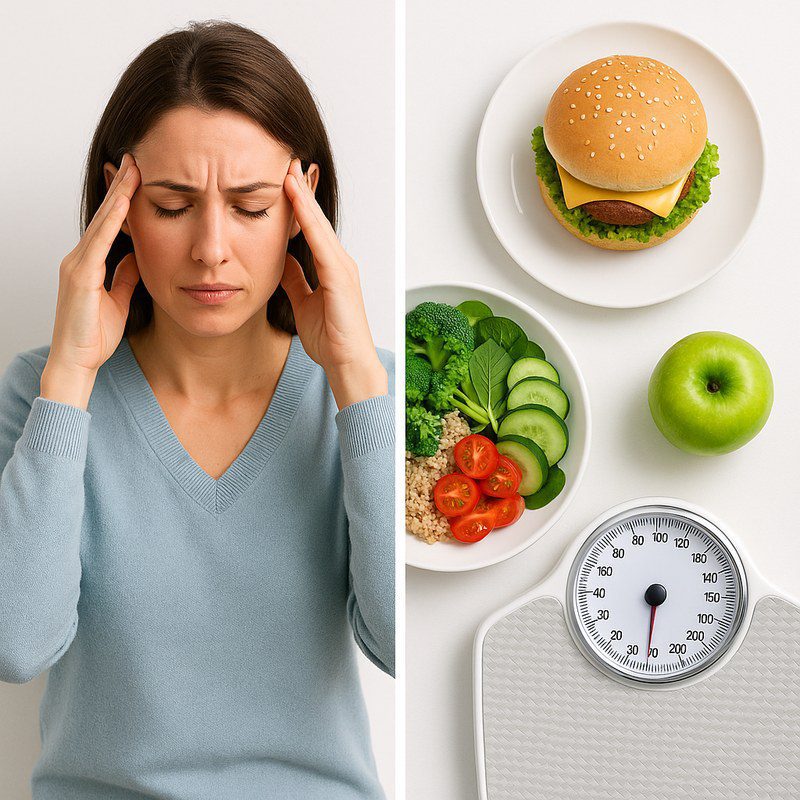
What Causes Stress-Related Appetite Changes?
- Cortisol Increase: Stress elevates cortisol, a hormone linked to increased hunger and fat storage.
- Emotional Eating: Stress can lead to eating for comfort rather than hunger, often choosing sugary or fatty foods.
- Sleep Disruption: Stress may reduce sleep quality, which impacts hormones like ghrelin and leptin that regulate appetite.
A Practical Plan to Manage Stress and Support Weight Loss
By adopting simple, consistent daily habits, you can reduce stress’s impact on appetite and support weight loss efforts.
- Mindful Eating: Pause before meals to assess true hunger and choose balanced foods rich in protein, fiber, and healthy fats.
- Regular Exercise: Aim for moderate activity such as walking or yoga 30 minutes most days; exercise helps lower cortisol and supports hormones like GLP-1 that regulate hunger.
- Prioritize Sleep: Establish a calming bedtime routine to improve sleep quality, which helps balance appetite hormones.
- Stress Reduction Techniques: Practice deep breathing, meditation, or progressive muscle relaxation daily to lower stress levels.
- Plan Your Meals: Preparing meals ahead can prevent impulsive eating driven by stress.
Weekly Checklist for Managing Stress and Appetite
- ✔ Exercise at least 150 minutes of moderate activity
- ✔ Practice mindfulness or relaxation exercises 5-10 minutes daily
- ✔ Maintain a consistent sleep schedule with 7-9 hours per night
- ✔ Prepare balanced meals focusing on whole foods
- ✔ Keep a stress journal to identify and manage triggers
- ✔ Limit intake of caffeine and alcohol, which can worsen stress and appetite
When to Consult a Clinician
If stress or appetite changes significantly affect your daily life or weight loss efforts, consider consulting a healthcare provider. They can assess for underlying conditions such as anxiety, depression, or hormonal imbalances and recommend appropriate treatments.
Disclaimer
This content is informational and not medical advice. Consult a licensed clinician.
References
- Adam TC, Epel ES. Stress, eating and the reward system. Physiol Behav. 2007;91(4):449-58. doi:10.1016/j.physbeh.2007.04.011
- Centers for Disease Control and Prevention. How Much Physical Activity Do Adults Need? https://www.cdc.gov/physicalactivity/basics/adults/index.htm
- Harvard Health Publishing. Managing stress to control your appetite. https://www.health.harvard.edu/staying-healthy/managing-stress-to-control-your-appetite
For more tips on healthy habits, visit our healthcare blog.
For additional guidance, review CDC healthy weight recommendations.
Keep it simple. Start with one small step. Choose whole foods more often. Move your body each day. Sleep at a regular time. Drink enough water. Talk with your doctor if you need help.
Keep it simple. Start with one small step. Choose whole foods more often. Move your body each day. Sleep at a regular time. Drink enough water. Talk with your doctor if you need help.
Keep it simple. Start with one small step. Choose whole foods more often. Move your body each day. Sleep at a regular time. Drink enough water. Talk with your doctor if you need help.
Keep it simple. Start with one small step. Choose whole foods more often. Move your body each day. Sleep at a regular time. Drink enough water. Talk with your doctor if you need help.
About Umedoc Health Blog
At Umedoc, we’re committed to providing updated, accurate, and accessible health information to empower your wellness decisions. For more tips, health updates, and medical guidance, subscribe or bookmark our blog today.
For more tips, health updates, and medical guidance, subscribe or bookmark our blog today.

This article reviewed by Dr. Jim Liu, MD.
There’s nothing more important than our good health – that’s our principal capital asset.
#medical #telehealth #umedoc #GLP1 #weightloss