 Español
  English

Nutrition Planning Myths and Facts for Effective Weight Los
Myth vs Fact About Nutrition Planning and Weight Loss
- Myth: Cutting calories drastically is the best way to lose weight.
- Fact: Severe calorie restriction can slow metabolism and is often unsustainable long-term.
- Myth: Skipping meals helps control appetite and speeds weight loss.
- Fact: Skipping meals may increase hunger and lead to overeating later.
- Myth: Exercise alone is enough for effective weight loss without changing diet.
- Fact: Combining balanced nutrition and regular exercise yields better results.
What Does the Evidence Say?
Research supports a balanced approach to nutrition planning for weight loss. According to the National Institute of Diabetes and Digestive and Kidney Diseases (NIDDK), gradual weight loss of 1-2 pounds per week through a combination of diet, exercise, and behavior changes is safest and most effective.
Studies highlight the role of hormones like glucagon-like peptide-1 (GLP-1), which helps regulate appetite and metabolism. Balanced meals rich in protein, fiber, and healthy fats promote GLP-1 release, supporting satiety and weight control.
Exercise complements nutrition by improving metabolic rate and insulin sensitivity. Additionally, quality sleep and stress management influence hormones that affect hunger and fat storage.
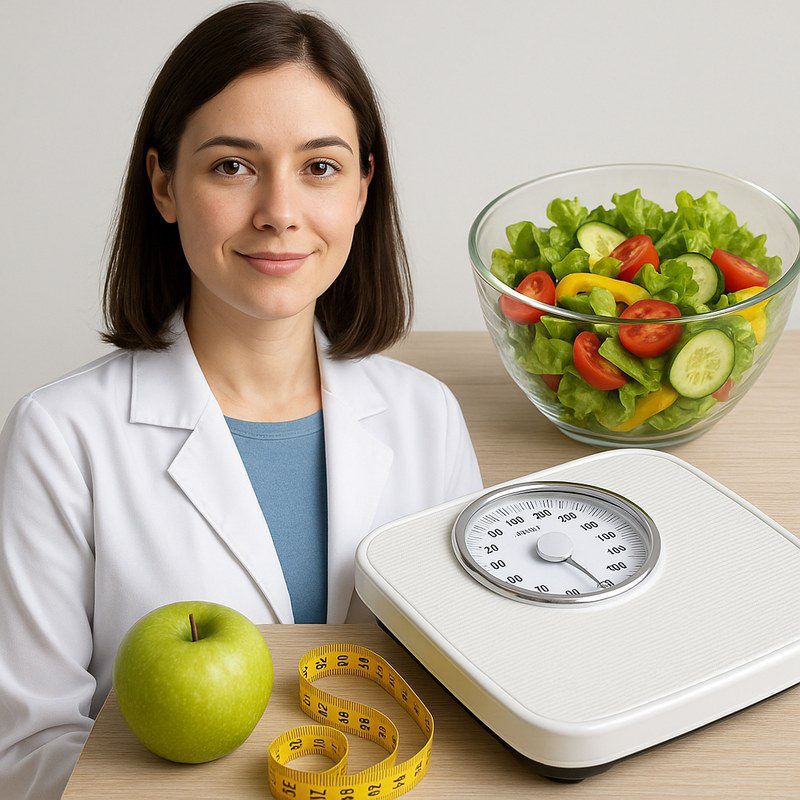
Actionable Steps for Daily Nutrition Planning
- Plan Balanced Meals: Include lean protein, whole grains, vegetables, and healthy fats to support satiety and steady energy.
- Avoid Extreme Calorie Cuts: Aim for a moderate calorie deficit rather than drastic cuts to preserve metabolism.
- Eat Regularly: Have meals and snacks spaced throughout the day to prevent excessive hunger.
- Incorporate Exercise: Aim for at least 150 minutes of moderate aerobic activity weekly, combined with strength training.
- Prioritize Sleep: Strive for 7-9 hours per night to help regulate appetite hormones.
- Manage Stress: Use techniques like mindfulness or deep breathing to reduce cortisol levels that may increase hunger.
- Monitor Progress Safely: Track habits and weight changes, adjusting plans with professional guidance if needed.
For more tips on nutrition and lifestyle, visit our healthcare blog.
When to Consult a Clinician
If you have underlying health conditions, struggle with weight loss despite lifestyle changes, or consider medications like GLP-1 receptor agonists, discuss options with a licensed healthcare provider.
Disclaimer
This content is informational and not medical advice. Consult a licensed clinician.
References
- National Institute of Diabetes and Digestive and Kidney Diseases. Health Tips for Safe Weight Loss. https://www.niddk.nih.gov/health-information/weight-management/health-tips-safe-weight-loss
- American College of Sports Medicine. Exercise and Weight Management. https://www.acsm.org/read-research/resource-library/resource_detail?id=7b5e7f52-0f8b-4a7e-9c4c-0b7e4d6d5a2d
- Holst JJ. The Physiology of Glucagon-like Peptide 1. Physiol Rev. 2007;87(4):1409–1439.
Keep it simple. Start with one small step. Choose whole foods more often. Move your body each day. Sleep at a regular time. Drink enough water. Talk with your doctor if you need help.
Keep it simple. Start with one small step. Choose whole foods more often. Move your body each day. Sleep at a regular time. Drink enough water. Talk with your doctor if you need help.
Keep it simple. Start with one small step. Choose whole foods more often. Move your body each day. Sleep at a regular time. Drink enough water. Talk with your doctor if you need help.
About Umedoc Health Blog
At Umedoc, we’re committed to providing updated, accurate, and accessible health information to empower your wellness decisions. For more tips, health updates, and medical guidance, subscribe or bookmark our blog today.
For more tips, health updates, and medical guidance, subscribe or bookmark our blog today.

This article reviewed by Dr. Jim Liu, MD.
There’s nothing more important than our good health – that’s our principal capital asset.
#medical #telehealth #umedoc #GLP1 #weightloss