Español
  English

Building Your Forever Body: The Power of Sustainable Weight Loss Habits
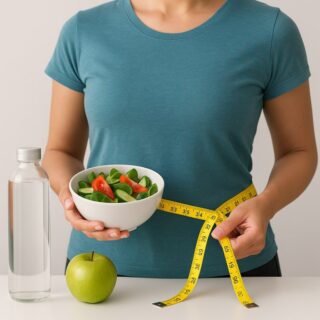
The allure of quick fixes for weight loss is undeniable, from crash diets to rapid weight loss medications. While these can offer initial dramatic results, the real challenge lies in sustaining that weight loss over time. The truth is, lasting success isn’t about temporary deprivation or extreme measures; it’s about cultivating sustainable habits that seamlessly integrate into your daily life. This holistic approach empowers you to build a healthier relationship with food, movement, and your body, leading to a “forever body” that feels good and functions optimally.
This guide (updated for 2025) will explore why sustainable habits are the ultimate secret to long-term weight loss and provide actionable strategies to build them into your routine.
Why “Diets” Fail: The Shift to Sustainable Habits
Traditional diets often fail because they are restrictive, temporary, and difficult to maintain. They focus on what you can’t have, creating a cycle of deprivation, rebound eating, and guilt. Sustainable weight loss, conversely, is about shifting your mindset and behaviors to create a lifestyle you can genuinely enjoy and maintain indefinitely.
Key Pillars of Sustainable Weight Loss:
Practical Strategy: Aim for 7-9 hours of quality sleep nightly. Develop a relaxing bedtime routine. Practice stress-reducing activities like meditation, yoga, spending time in nature, or hobbies.
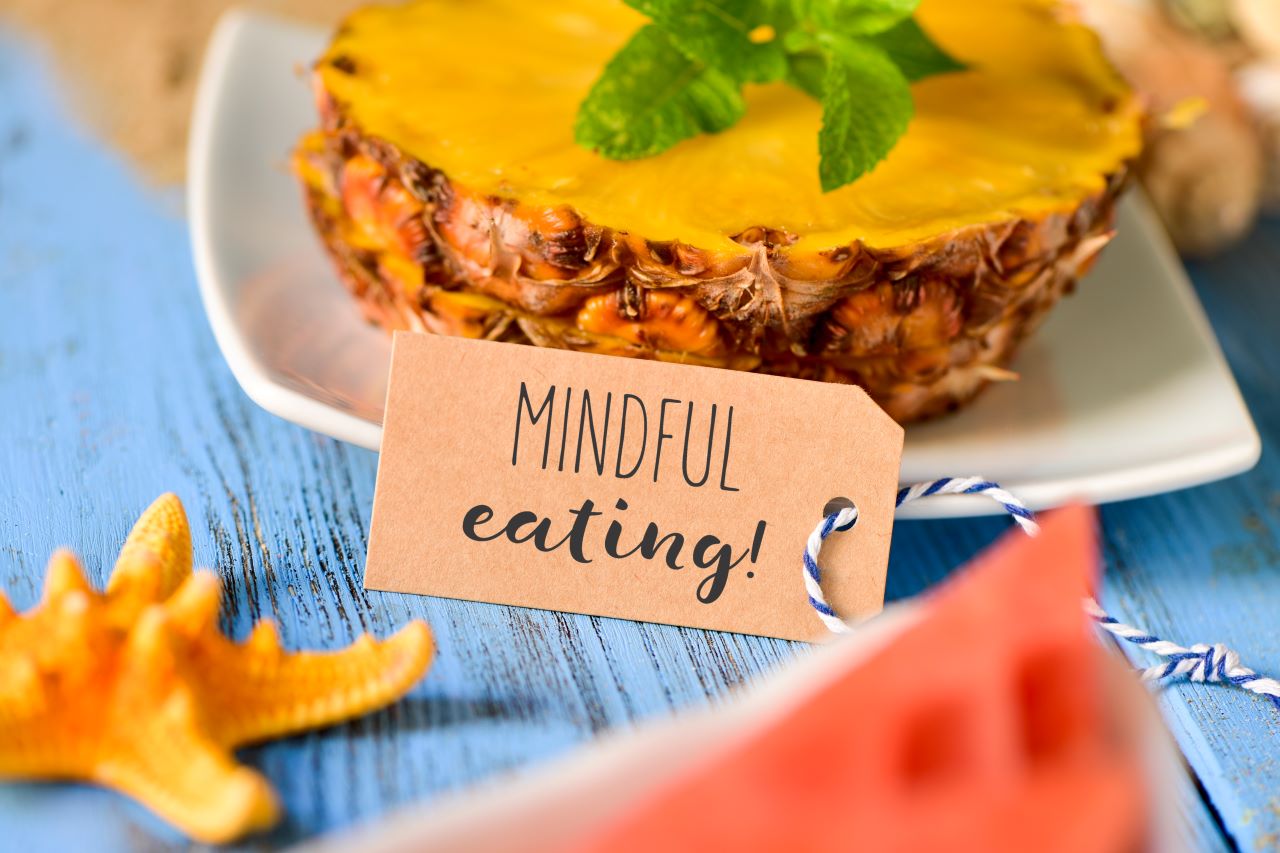
Mindful Eating:
What it is: Paying full attention to the experience of eating, without judgment or distraction. This includes tuning into your body’s hunger and fullness cues.
Why it works: It helps you distinguish between true physical hunger and emotional eating triggers (boredom, stress, sadness). By slowing down, you give your brain time to register fullness, preventing overeating.
Practical Strategy: Before you eat, take a few deep breaths. Chew slowly. Savor each bite, noticing flavors and textures. Put your fork down between bites. Stop when comfortably satisfied, not stuffed.
Smart Nutrition Choices:
What it is: Focusing on nutrient-dense, whole foods that provide sustained energy and satiety, rather than simply counting calories or restricting entire food groups.
Why it works: Prioritizing protein, fiber, and healthy fats keeps you feeling fuller for longer, reduces cravings, and fuels your body effectively.
Practical Strategy: Fill half your plate with non-starchy vegetables. Include a lean protein source (chicken, fish, legumes, eggs). Opt for whole grains over refined grains. Choose water over sugary drinks.
Consistent Movement:
What it is: Incorporating regular physical activity that you enjoy into your daily routine, rather than viewing exercise as a punishment.
Why it works: Physical activity burns calories, builds muscle (which boosts metabolism), improves mood, reduces stress, and enhances overall health. Consistency is more important than intensity.
Practical Strategy: Find an activity you genuinely like (walking, dancing, swimming, cycling, strength training). Start small (e.g., 10-15 minute walks) and gradually increase. Aim for at least 150 minutes of moderate-intensity activity per week, plus 2 days of strength training.
Sleep and Stress Management:
What it is: Recognizing the profound impact of adequate sleep and effective stress coping mechanisms on weight management.
Why it works: Poor sleep disrupts hunger-regulating hormones (ghrelin and leptin), leading to increased appetite and cravings. Chronic stress can elevate cortisol, promoting fat storage.
Building and Reinforcing Your Forever Habits
- Start Small: Don’t try to change everything at once. Pick one or two small habits to focus on (e.g., drinking water before every meal, a 15-minute walk daily).
- Be Patient and Consistent: Habits take time to form. There will be good days and bad days. The key is to get back on track consistently.
- Track Your Progress (Beyond the Scale): Celebrate non-scale victories like increased energy, better sleep, clothes fitting differently, or improved mood.
- Seek Support: Partner with a friend, family member, or a health professional (dietitian, trainer, coach) for accountability and guidance.
- Learn from Slip-ups: View setbacks as learning opportunities, not failures. Identify what triggered the slip-up and plan how to handle it differently next time.
Conclusions and Key Takeaways
- Sustainable weight loss is achieved by building lasting healthy habits, not through temporary, restrictive diets.
- The pillars of success include mindful eating, smart nutrition choices, consistent movement, and effective sleep/stress management.
- Start with small, achievable changes and prioritize consistency over perfection.
- Focus on non-scale victories to maintain motivation and build a positive relationship with your body.
- True success means creating a healthy lifestyle you can maintain and enjoy for life.
Trusted References
- Academy of Nutrition and Dietetics. www.eatright.org (For evidence-based nutrition guidance.)
- American College of Sports Medicine (ACSM). www.acsm.org (For physical activity recommendations.)
- The Obesity Society. www.obesity.org (For comprehensive resources on weight management.)
- Mindful.org. www.mindful.org (For resources on mindful eating and meditation.)
- National Sleep Foundation. www.sleepfoundation.org (For sleep health information.)
In conclusion, integrating GLP-1 medications with a healthy diet and consistent lifestyle modifications is crucial for effective and truly sustainable weight loss. These powerful tools work best when you actively support your body with nourishing foods, regular movement, and mindful habits. To help you put these strategies into practice, be sure to refer to our Sustainable Habits Playbook: A Companion to Building Your Forever Body PDF for practical guidance and actionable steps.
About Umedoc Health Blog
At Umedoc, we’re committed to providing updated, accurate, and accessible health information to empower your wellness decisions. For more tips, health updates, and medical guidance, subscribe or bookmark our blog today.

This article reviewed by Dr. Jim Liu, MD.
There’s nothing more important than our good health – that’s our principal capital asset.
#medical #telehealth #umedoc #ecnoglutide #GLP #weight loss #Wegovy #diet