 Español
  English

How Daily Habit Tracking Supports Safe Weight Loss
Start With a Simple Daily Habit Tracking Plan
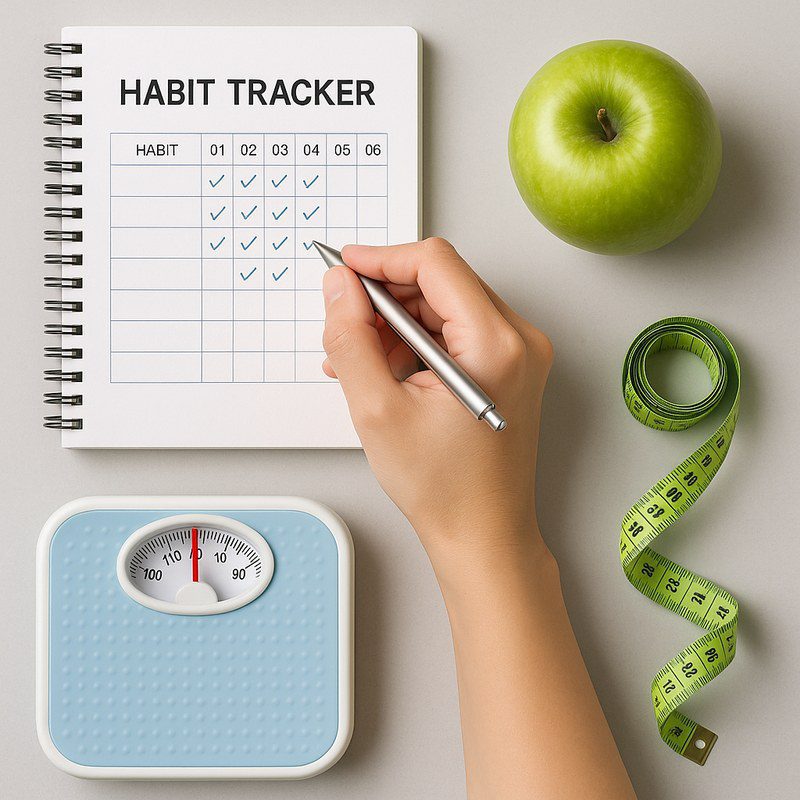
Achieving weight loss can feel complex, but tracking your daily habits can simplify the process. Begin by noting key areas each day: what you eat, your physical activity, sleep quality, and stress levels. Use a notebook, smartphone app, or calendar. For example, record if you had a balanced breakfast, how long you walked, hours slept, and moments of tension. This awareness helps you identify patterns affecting your weight over time.
Common Mistakes When Tracking Habits
- Inconsistency: Skipping days makes it hard to see real patterns.
- Overcomplicating: Trying to track too many details can be overwhelming.
- Focusing Only on Weight: Ignoring behaviors that influence weight can limit progress.
- Ignoring Sleep and Stress: These affect hormones that regulate appetite and fat storage.
Tips to Recover and Improve Your Tracking
- Set reminders: Use alarms or app notifications to prompt daily entries.
- Simplify entries: Focus on a few key habits each week, like meal quality and minutes of exercise.
- Reflect weekly: Review your notes to spot trends and adjust goals gradually.
- Include sleep and stress: Track hours slept and stress triggers to support hormonal balance and appetite control.
Why Tracking Supports Weight Loss
Tracking helps make invisible habits visible, encouraging mindful choices and steady progress. Research shows that combining diet, exercise, sleep, and stress management fosters sustainable weight loss. For example, GLP-1 hormones, which influence hunger, are affected by sleep and stress levels, making these factors important alongside diet and exercise.
When to Consult a Clinician
If you experience unexplained weight changes, persistent fatigue, or difficulty managing stress and sleep despite tracking, speak with a healthcare provider. They can assess for underlying conditions and guide personalized treatment.
Disclaimer
This content is informational and not medical advice. Consult a licensed clinician.
References
- National Institute of Diabetes and Digestive and Kidney Diseases: Adult Overweight and Obesity
- Impact of Sleep and Stress on Weight Regulation – PMC
- Explore more health tips on the UMedoc blog
Keep it simple. Start with one small step. Choose whole foods more often. Move your body each day. Sleep at a regular time. Drink enough water. Talk with your doctor if you need help.
Keep it simple. Start with one small step. Choose whole foods more often. Move your body each day. Sleep at a regular time. Drink enough water. Talk with your doctor if you need help.
About Umedoc Health Blog
At Umedoc, we’re committed to providing updated, accurate, and accessible health information to empower your wellness decisions. For more tips, health updates, and medical guidance, subscribe or bookmark our blog today.
For more tips, health updates, and medical guidance, subscribe or bookmark our blog today.

This article reviewed by Dr. Jim Liu, MD.
There’s nothing more important than our good health – that’s our principal capital asset.
#medical #telehealth #umedoc #GLP1 #weightloss