 Español
  English

Daily Nutrition Planning for Safe Adult Weight Loss
What is daily nutrition planning and why is it important for weight loss?
Daily nutrition planning involves organizing your meals and snacks to provide balanced nutrients consistently. It helps control calorie intake and supports steady weight loss by promoting healthy choices over time.
How does diet affect weight loss?
Your diet is a key factor in weight loss. Eating nutrient-rich foods like vegetables, lean proteins, and whole grains can reduce hunger and improve metabolism. Limiting processed foods and added sugars helps prevent excess calorie intake.
What role does exercise play alongside nutrition?
Regular physical activity complements a healthy diet by increasing calorie burn and preserving muscle mass. Aim for at least 150 minutes of moderate exercise weekly, such as walking, swimming, or cycling.
How do sleep and stress influence weight loss?
Poor sleep and high stress can disrupt hormones that regulate appetite and metabolism. Getting 7–8 hours of quality sleep and managing stress through relaxation techniques can support your weight loss efforts.
Can medications like GLP-1 help with weight loss?
GLP-1 medications may assist by reducing appetite and improving blood sugar control. However, they work best when combined with consistent healthy habits, including nutrition planning, exercise, sleep, and stress management.
At-Home Plan: Daily Habits to Support Weight Loss
- Week 1: Keep a simple food and activity diary to understand your current habits.
- Week 2: Add more vegetables and lean proteins to meals. Reduce sugary drinks.
- Week 3: Start moderate exercise sessions, such as brisk 20-minute walks, 3-4 times per week.
- Week 4: Establish a regular sleep schedule aiming for 7–8 hours nightly.
- Ongoing: Practice stress-reduction techniques like deep breathing or meditation daily.
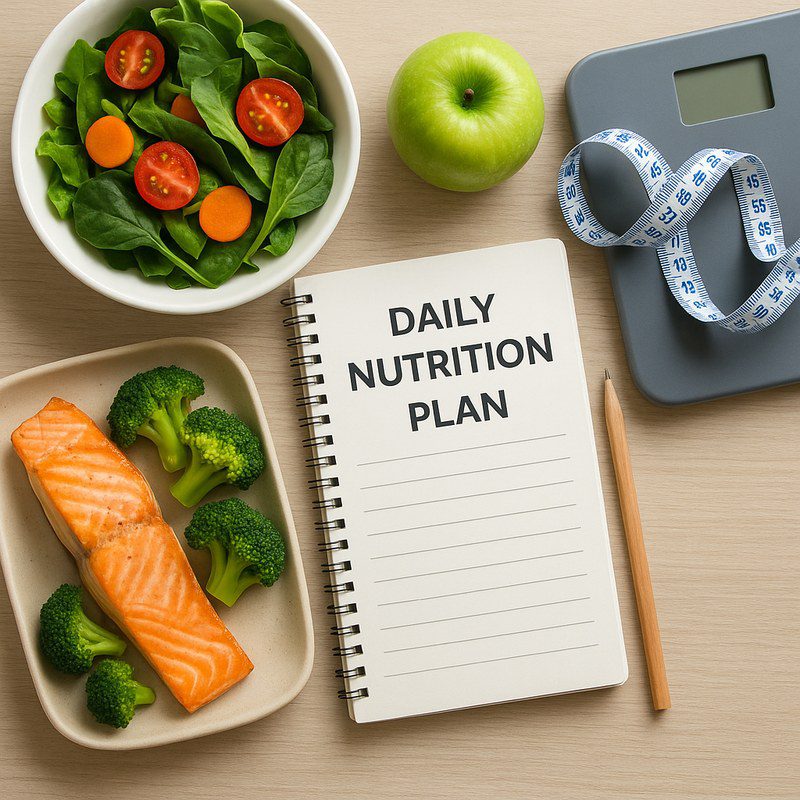
For more tips on healthy living, visit the UMEDoc health blog.
When to Consult a Clinician
If you have underlying health conditions, experience significant weight changes without trying, or want personalized guidance, consult a licensed healthcare provider before starting new weight loss plans or medications.
Disclaimer
This content is informational and not medical advice. Consult a licensed clinician.
References
- National Institute of Diabetes and Digestive and Kidney Diseases. “Health Benefits of Losing Weight.” https://www.niddk.nih.gov/health-information/weight-management/health-benefits-losing-weight
- Centers for Disease Control and Prevention. “How Much Physical Activity Do Adults Need?” https://www.cdc.gov/physicalactivity/basics/adults/index.htm
- Mayo Clinic. “Sleep and Weight: What’s the Connection?” https://www.mayoclinic.org/healthy-lifestyle/adult-health/expert-answers/sleep-and-weight/faq-20057743
Keep it simple. Start with one small step. Choose whole foods more often. Move your body each day. Sleep at a regular time. Drink enough water. Talk with your doctor if you need help.
Keep it simple. Start with one small step. Choose whole foods more often. Move your body each day. Sleep at a regular time. Drink enough water. Talk with your doctor if you need help.
About Umedoc Health Blog
At Umedoc, we’re committed to providing updated, accurate, and accessible health information to empower your wellness decisions. For more tips, health updates, and medical guidance, subscribe or bookmark our blog today.
For more tips, health updates, and medical guidance, subscribe or bookmark our blog today.

This article reviewed by Dr. Jim Liu, MD.
There’s nothing more important than our good health – that’s our principal capital asset.
#medical #telehealth #umedoc #GLP1 #weightloss