 Español
  English

Exercise Consistency Myths and Facts for Weight Loss
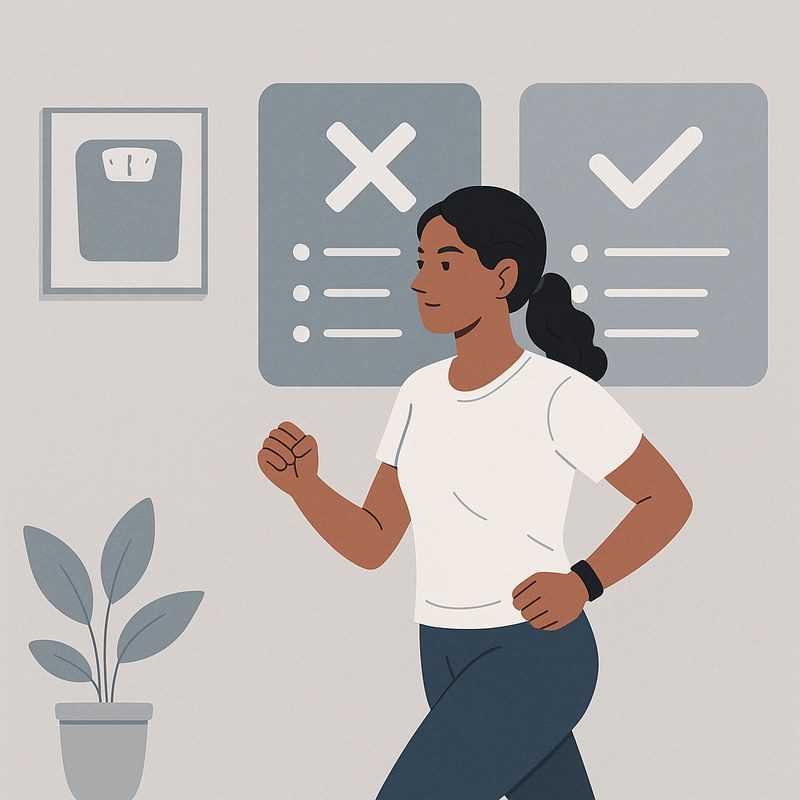
Myth vs Fact: Exercise and Weight Loss
Myth: You must exercise intensely every day to lose weight.
Fact: Consistent moderate exercise, combined with good habits, supports steady weight loss better than sporadic intense workouts.
Myth: Skipping exercise occasionally ruins your progress.
Fact: Missing a day or two won’t undo benefits if you return to your routine promptly.
Myth: Diet is enough; exercise doesn’t impact weight loss much.
Fact: Exercise improves metabolism, supports appetite hormones like GLP-1, and helps maintain lean muscle during weight loss.
What Evidence Says About Exercise and Weight Loss
Scientific studies show that regular, moderate exercise helps create a calorie deficit needed for weight loss while improving metabolic health. Exercise influences hormones such as glucagon-like peptide-1 (GLP-1), which helps regulate hunger and blood sugar. Importantly, consistency matters more than intensity. According to the Centers for Disease Control and Prevention (CDC), adults should aim for at least 150 minutes of moderate aerobic activity weekly.
Sleep quality and stress levels also affect weight loss. Poor sleep can disrupt hormones that control appetite, while chronic stress raises cortisol, which may increase fat storage. Combining exercise with good sleep and stress management creates the best environment for sustainable weight loss.
Actionable Steps to Build Exercise Consistency
- Start Small: Begin with 10-15 minutes of activity per day, such as brisk walking or light cycling.
- Set a Schedule: Plan exercise sessions at the same time daily to build routine.
- Choose Enjoyable Activities: Pick exercises you like to increase motivation, like dancing, swimming, or gardening.
- Track Progress: Use a journal or app to log activity and celebrate milestones.
- Incorporate Movement: Add short walks or stretching breaks during sedentary periods.
- Support With Healthy Habits: Prioritize 7–9 hours of quality sleep and practice stress reduction techniques like meditation.
- Be Flexible: If you miss a session, resume the next day without guilt.
When to Consult a Clinician
If you have chronic health conditions, significant weight to lose, or experience pain during exercise, consult a healthcare provider before starting a new workout program. A clinician can help tailor safe and effective plans for your needs.
Disclaimer
This content is informational and not medical advice. Consult a licensed clinician.
References
- CDC: Physical Activity Basics
- Impact of Exercise on Appetite Hormones: A Review
- Sleep Foundation: Why We Need Sleep
- UMEDOC Blog
Keep it simple. Start with one small step. Choose whole foods more often. Move your body each day. Sleep at a regular time. Drink enough water. Talk with your doctor if you need help.
Keep it simple. Start with one small step. Choose whole foods more often. Move your body each day. Sleep at a regular time. Drink enough water. Talk with your doctor if you need help.
Keep it simple. Start with one small step. Choose whole foods more often. Move your body each day. Sleep at a regular time. Drink enough water. Talk with your doctor if you need help.
About Umedoc Health Blog
At Umedoc, we’re committed to providing updated, accurate, and accessible health information to empower your wellness decisions. For more tips, health updates, and medical guidance, subscribe or bookmark our blog today.
For more tips, health updates, and medical guidance, subscribe or bookmark our blog today.

This article reviewed by Dr. Jim Liu, MD.
There’s nothing more important than our good health – that’s our principal capital asset.
#medical #telehealth #umedoc #GLP1 #weightloss