 Español
  English

Building Exercise Consistency for Lasting Weight Loss
Why Consistent Exercise Matters for Weight Loss
Regular physical activity helps burn calories, improve metabolism, and regulate hormones like GLP-1 that influence appetite. Creating a consistent exercise routine is key to sustainable weight loss. Here’s a practical plan to build and maintain that consistency.
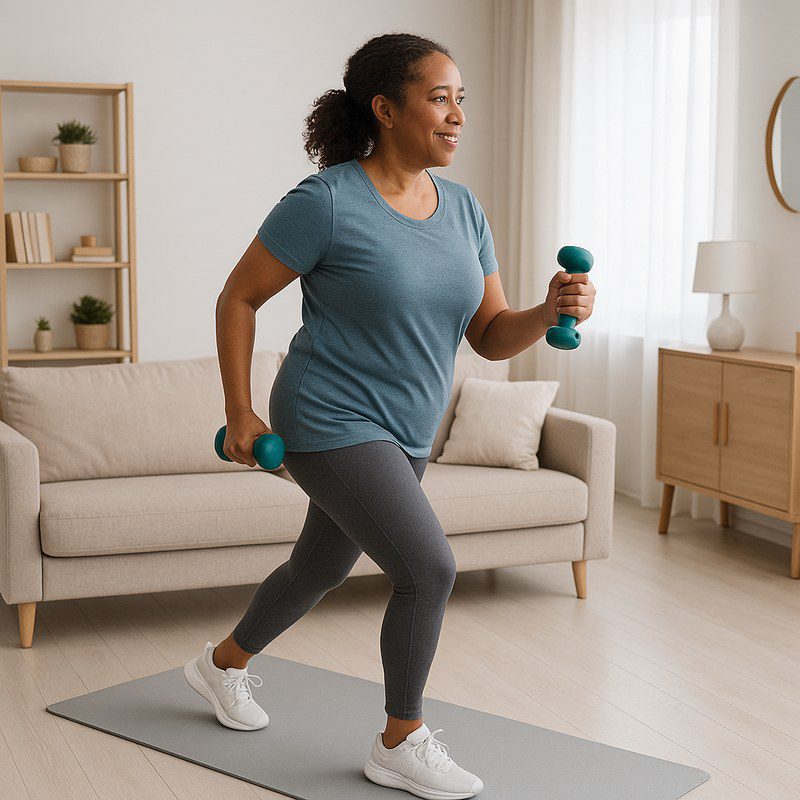
Step-by-Step Plan to Build Exercise Consistency
- Start Small: Begin with 10–15 minutes of moderate activity, such as brisk walking, five days a week.
- Set Realistic Goals: Aim for at least 150 minutes of moderate exercise weekly, including aerobic and strength exercises.
- Schedule Workouts: Choose consistent times to exercise, like morning or evening, to build routine.
- Mix Activities: Combine walking, cycling, swimming, or bodyweight exercises to stay engaged and reduce injury risk.
- Track Progress: Use a journal or app to record workouts; seeing progress boosts motivation.
- Include Rest Days: Allow muscles to recover with 1–2 rest days weekly to prevent burnout.
Common Mistakes That Disrupt Exercise Habits
- Overdoing It Early: Exercising too intensely or too long at first can cause fatigue or injury.
- Inconsistent Scheduling: Skipping workouts due to lack of planning reduces habit formation.
- Neglecting Sleep and Nutrition: Poor sleep and diet can lower energy and recovery, affecting exercise consistency.
- Ignoring Stress: High stress may reduce motivation and increase cravings, impacting weight loss efforts.
Recovery Tips to Stay on Track
- Listen to Your Body: Adjust intensity or take extra rest if feeling sore or tired.
- Prioritize Sleep: Aim for 7–9 hours nightly to support muscle repair and hormone balance.
- Manage Stress: Incorporate relaxation techniques such as deep breathing or meditation to maintain focus.
- Maintain Balanced Diet: Include lean proteins, whole grains, and vegetables to fuel workouts and recovery.
- Set Flexible Goals: Adapt your routine as needed to avoid frustration and stay motivated.
When to Consult a Clinician
If you experience persistent pain during or after exercise, significant fatigue, or underlying health conditions, speak with a healthcare provider before continuing your routine. They can help tailor a safe program that fits your needs.
Disclaimer
This content is informational and not medical advice. Consult a licensed clinician.
References
- CDC: Physical Activity Basics for Adults
- Role of Exercise in Weight Management (NCBI)
- Explore more health tips on UmeDoc Blog
Keep it simple. Start with one small step. Choose whole foods more often. Move your body each day. Sleep at a regular time. Drink enough water. Talk with your doctor if you need help.
Keep it simple. Start with one small step. Choose whole foods more often. Move your body each day. Sleep at a regular time. Drink enough water. Talk with your doctor if you need help.
Keep it simple. Start with one small step. Choose whole foods more often. Move your body each day. Sleep at a regular time. Drink enough water. Talk with your doctor if you need help.
Keep it simple. Start with one small step. Choose whole foods more often. Move your body each day. Sleep at a regular time. Drink enough water. Talk with your doctor if you need help.
About Umedoc Health Blog
At Umedoc, we’re committed to providing updated, accurate, and accessible health information to empower your wellness decisions. For more tips, health updates, and medical guidance, subscribe or bookmark our blog today.
For more tips, health updates, and medical guidance, subscribe or bookmark our blog today.

This article reviewed by Dr. Jim Liu, MD.
There’s nothing more important than our good health – that’s our principal capital asset.
#medical #telehealth #umedoc #GLP1 #weightloss