Español
  English

Ozempic Uncovered: More Than Just a Diabetes Medication
Ozempic (active ingredient: semaglutide) is a once-weekly injectable GLP-1 receptor agonist that is FDA-approved for the management of type 2 diabetes. Its primary purpose is to help lower blood sugar levels in adults, and it has also been shown to reduce the risk of major cardiovascular events like heart attack and stroke in diabetic patients with known heart disease.
However, a significant effect observed during its clinical trials was substantial weight loss. This happens because Ozempic mimics the GLP-1 hormone, which powerfully suppresses appetite and slows stomach emptying, leading patients to feel full sooner and eat less. This dual benefit—improving glycemic control while also aiding weight loss—has made it a widely prescribed medication. While incredibly effective, it’s important to manage its common side effects, which are primarily gastrointestinal and include nausea, vomiting, diarrhea, and constipation.
Practical Healthcare Plan: Living Well with Ozempic
- Master the Injection Technique: Proper injection technique is key to minimizing discomfort and ensuring the medication works effectively. Ask your nurse or pharmacist to demonstrate the process. Remember to rotate your injection sites (abdomen, thigh, or upper arm) each week to prevent skin irritation.
- Proactive Nausea Management: Nausea is the most common side effect, especially when starting or increasing a dose. Combat it by:
- Eating small, bland meals.
- Avoiding greasy, fried, or very sweet foods.
- Sipping water or clear, sugar-free beverages throughout the day.
- Getting fresh air and avoiding strong smells.
- Prioritize Hydration and Fiber: The slowing of your digestive system can lead to constipation. Ensure you are drinking plenty of water daily (aim for 64 oz / 2 liters unless advised otherwise) and gradually increase your intake of fiber from sources like vegetables, beans, and whole grains.
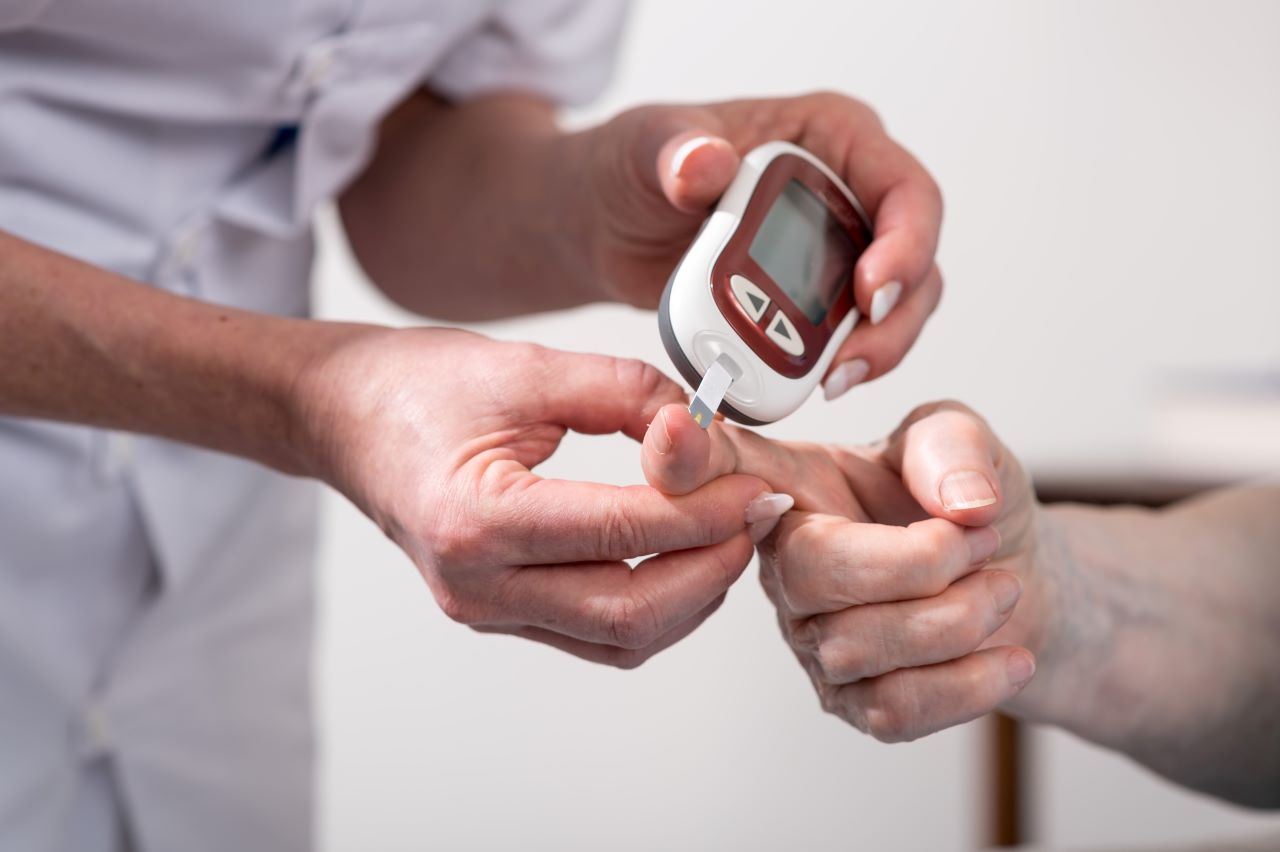
- Consistent Blood Sugar Monitoring: If you are taking Ozempic for diabetes, do not stop monitoring your blood sugar as directed by your doctor. The medication is part of a larger management plan that includes diet, exercise, and potentially other medications.
- Schedule Regular Follow-ups: Ozempic therapy requires ongoing medical supervision. Plan for regular check-ins with your healthcare provider (e.g., every 3 months) to review your blood work, discuss side effects, track your progress, and adjust your overall care plan as needed.
A Practical Guide to Your Ozempic® (semaglutide) Treatment. Download Here!
Introduction: This guide is designed to help you successfully manage your Type 2 Diabetes with Ozempic®. This once-weekly medication works by helping your body regulate blood sugar and can also assist with weight loss. This plan focuses on mastering the routine, managing side effects, and integrating the medication into a healthy lifestyle.
Sources:
Mayo Clinic. “Semaglutide (Subcutaneous Route) – Description and Brand Names.”
Novo Nordisk. “Ozempic® (semaglutide) injection Official Website.”
U.S. Food & Drug Administration (FDA). “Ozempic Drug Label Information.”
About Umedoc Health Blog
At Umedoc, we’re committed to providing updated, accurate, and accessible health information to empower your wellness decisions. For more tips, health updates, and medical guidance, subscribe or bookmark our blog today.

This article reviewed by Dr. Jim Liu, MD.
There’s nothing more important than our good health – that’s our principal capital asset.
#medical #telehealth #umedoc #ecnoglutide #GLP #weight loss #Wegovy #diet