Español
  English

Psoriasis vs Eczema: Symptoms, Triggers, and Treatment
Meta Description: Psoriasis and eczema are often confused. Learn the key differences in symptoms, locations, and causes (autoimmune vs. barrier issues) to get the right treatment plan.
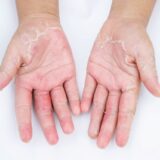
Psoriasis and Eczema (Atopic Dermatitis) are two chronic inflammatory skin conditions. They both cause red, scaly, and intensely itchy skin, which makes them easy to confuse. However, they are fundamentally different diseases with distinct underlying causes, specific locations, and unique treatment approaches. Getting an accurate diagnosis is the critical first step toward effective management and long-term relief.
This guide (updated for 2025) will clarify the key differences between psoriasis and eczema, helping you understand their symptoms, triggers, and the professional treatments available.
Understanding the Underlying Causes
The core difference between these two conditions lies in their origins:
- Psoriasis (Autoimmune Disease): Psoriasis is an autoimmune disease. It occurs when the immune system mistakenly targets healthy skin cells, which triggers a rapid, accelerated skin cell lifecycle. Therefore, instead of the typical 30-day turnover, skin cells multiply in days. This rapid multiplication results in the buildup of thick, scaly patches on the skin’s surface. Psoriasis often runs in families and is sometimes accompanied by painful joint inflammation (psoriatic arthritis).
- Eczema (Skin Barrier Dysfunction): Conversely, Eczema is primarily a skin barrier dysfunction. The outer skin barrier is compromised, meaning it is leaky and unable to hold moisture effectively. This vulnerability allows irritants, allergens, and moisture loss to easily trigger inflammation. Eczema often occurs in people with a history of allergies or asthma.
Key Symptoms and Distinguishing Features
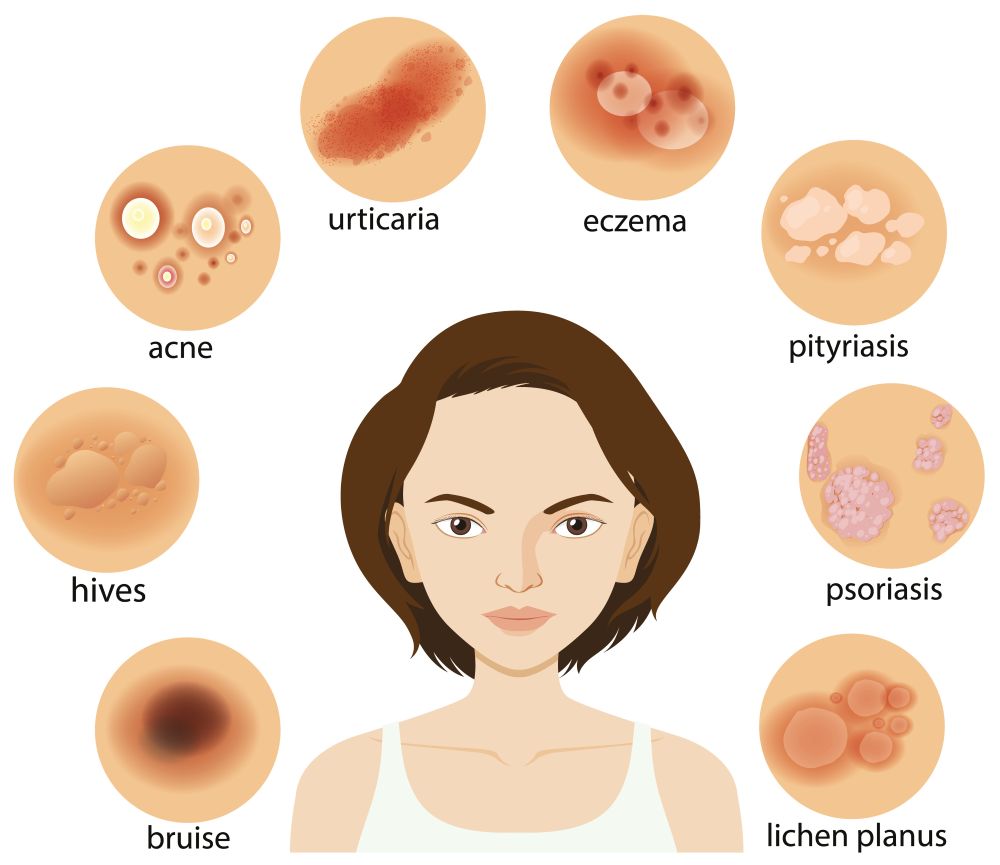
While both conditions cause itching and redness, the appearance and location of the lesions are key to distinguishing them.
| Feature | Eczema (Atopic Dermatitis) | Psoriasis |
| Appearance | Skin patches are typically thin, red, weepy, crusty, and intensely itchy. Chronic scratching leads to thickened, darkened skin. | Skin plaques are thick, sharply defined, red lesions covered by silvery-white scales. |
| Location | Typically appears in skin folds (inside elbows, behind knees), on the hands, neck, and face. | Usually appears on extensor surfaces (outside elbows, fronts of knees), lower back, and scalp. |
| Itching | Severe and often cyclical, leading to the itch-scratch cycle that worsens the rash. | Can be itchy, but is often accompanied by more pain, burning, or stinging. |
| Age of Onset | Most often begins in infancy or early childhood. | Usually develops later, often between the ages of 20 and 60. |
Triggers and Treatment Approaches
Managing both conditions relies heavily on avoiding triggers, but the medication used targets different biological pathways.
Eczema Management Focus: Treatment focuses on restoring the barrier through heavy moisturizers and low-to-mid potency topical corticosteroids. Key triggers include allergens (dust mites, pollen), harsh soaps, and sweat.
Psoriasis Management Focus: Treatment focuses on slowing cell growth using high-potency topical corticosteroids and Vitamin D analogs. Key triggers include stress, skin injury, and infections. Furthermore, the most advanced treatments include injectable biologics.
A 2025 consensus report by the American Academy of Dermatology (AAD) emphasizes that accurate diagnosis (sometimes requiring a skin biopsy) is paramount. Misdiagnosing psoriasis as eczema can lead to treatments that unfortunately worsen the patient’s condition.
Conclusions and Key Takeaways
- Psoriasis is an autoimmune disease resulting in thick, scaly plaques, typically on the elbows and knees. Eczema is a skin barrier disorder causing red, intensely itchy skin, typically in joint folds.
- The primary goal for eczema is moisture retention; the primary goal for psoriasis is slowing cell production.
- If you experience a persistent rash, consulting a dermatologist is vital for correct diagnosis and appropriate targeted therapies.
Trusted References
- American Academy of Dermatology Association (AAD). www.aad.org
- National Psoriasis Foundation (NPF). www.psoriasis.org
- National Eczema Association (NEA). nationaleczema.org
- Mayo Clinic. www.mayoclinic.org
Download our PDF of Psoriasis & Eczema Daily Relief Plan: The Anti-Inflammation Protocol HERE!
About Umedoc Health Blog
At Umedoc, we’re committed to providing updated, accurate, and accessible health information to empower your wellness decisions. For more tips, health updates, and medical guidance, subscribe or bookmark our blog today.

This article reviewed by Dr. Jim Liu, MD.
There’s nothing more important than our good health – that’s our principal capital asset.
#medical #telehealth #umedoc #ecnoglutide #GLP #weight loss #Wegovy #diet