 Español
  English

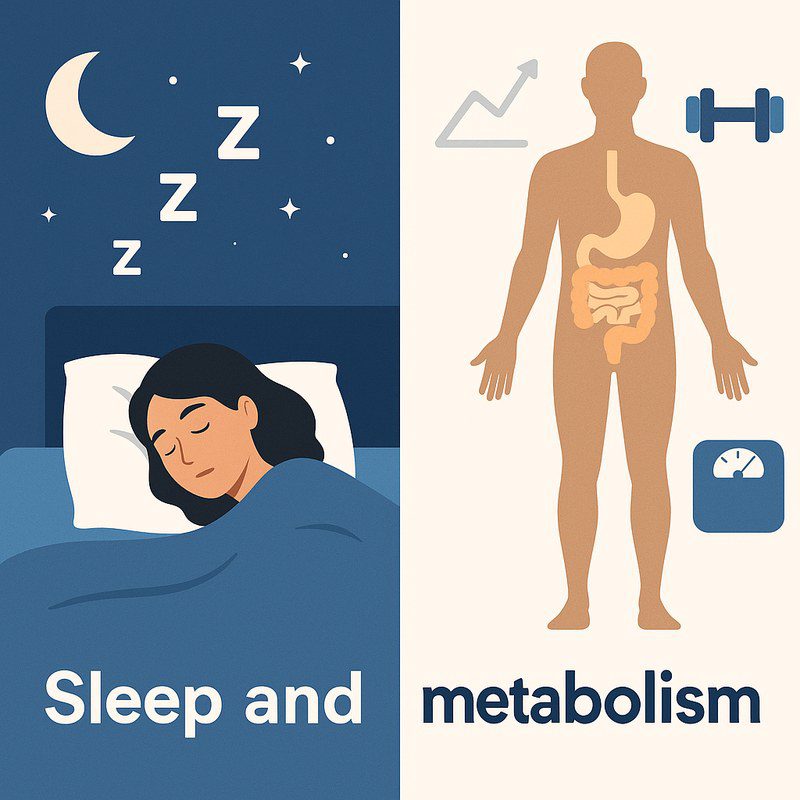
Sleep and Metabolism: Separating Myths from Facts for Weigh
Myth vs Fact: Sleep and Metabolism
Myth: Sleeping less helps you burn more calories because you’re awake longer.
Fact: Poor sleep actually slows your metabolism and increases hunger hormones, making weight loss harder.
Myth: You can lose weight just by sleeping more without changing diet or exercise.
Fact: While adequate sleep supports weight loss, it works best alongside healthy eating and physical activity.
What Evidence Says
Research shows that adults who sleep less than 7 hours per night tend to have higher body weight and increased risk of obesity. Sleep deprivation alters hormones like ghrelin and leptin, which regulate hunger and fullness. This imbalance can increase cravings, especially for high-calorie foods.
Additionally, poor sleep may reduce insulin sensitivity and slow down metabolism, making it harder to lose weight even with diet and exercise. A study published by the National Institutes of Health highlights these hormonal changes linked to sleep loss.
Actionable Steps to Support Weight Loss Through Better Sleep
- Set a consistent sleep schedule: Go to bed and wake up at the same time daily, aiming for 7-9 hours.
- Create a restful environment: Keep your bedroom dark, quiet, and cool to improve sleep quality.
- Limit exposure to screens before bedtime: Blue light from phones or TVs can disrupt your body’s natural sleep signals.
- Manage stress: Practice relaxation techniques like deep breathing or meditation to promote restful sleep.
- Combine with balanced diet and exercise: Include lean proteins, fiber-rich foods, and regular physical activity to enhance metabolism.
- Consult your healthcare provider: If sleep problems persist, discuss options that may include behavioral therapy or medical evaluation.
For more tips on healthy habits, visit our healthcare blog.
When to Consult a Clinician
If you experience ongoing sleep difficulties, excessive daytime fatigue, or if weight loss efforts are stalled despite lifestyle changes, seek professional advice. Conditions like sleep apnea or hormonal imbalances may require medical attention.
Disclaimer
This content is informational and not medical advice. Consult a licensed clinician.
References
- St-Onge MP, et al. Sleep Duration and Quality: Impact on Lifestyle Behaviors and Weight. Obesity (Silver Spring). 2016;24(2):265-75. https://www.ncbi.nlm.nih.gov/pmc/articles/PMC535701/
- National Sleep Foundation. How Does Sleep Affect Weight Loss? https://www.sleepfoundation.org/nutrition/does-sleep-affect-weight-loss
- Centers for Disease Control and Prevention. Sleep and Weight. https://www.cdc.gov/sleep/about_sleep/weight_gain.html
Keep it simple. Start with one small step. Choose whole foods more often. Move your body each day. Sleep at a regular time. Drink enough water. Talk with your doctor if you need help.
About Umedoc Health Blog
At Umedoc, we’re committed to providing updated, accurate, and accessible health information to empower your wellness decisions. For more tips, health updates, and medical guidance, subscribe or bookmark our blog today.
For more tips, health updates, and medical guidance, subscribe or bookmark our blog today.

This article reviewed by Dr. Jim Liu, MD.
There’s nothing more important than our good health – that’s our principal capital asset.
#medical #telehealth #umedoc #GLP1 #weightloss