 Español
  English

Smart Nutrition Planning for Steady Weight Loss
Step-by-Step Nutrition and Lifestyle Plan for Weight Loss
Setting up a daily routine that supports weight loss can be straightforward when you focus on balanced nutrition, regular exercise, quality sleep, and stress management. Here’s a practical plan to get started:
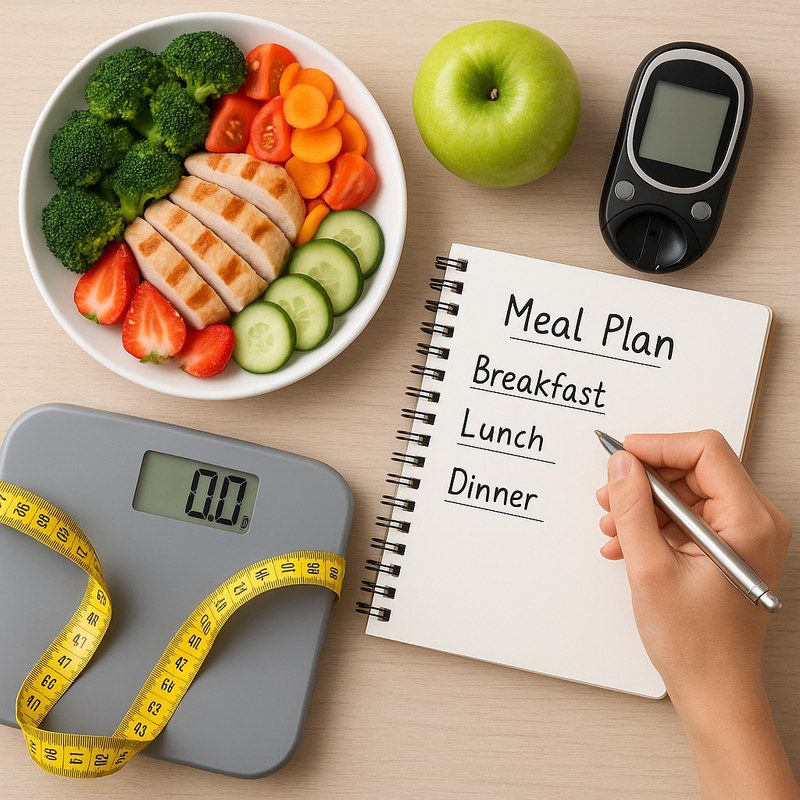
- Plan Balanced Meals: Aim for meals with lean proteins, whole grains, healthy fats, and plenty of vegetables. This mix helps control hunger and supports metabolism.
- Incorporate Daily Exercise: Start with 20-30 minutes of moderate activity like brisk walking, cycling, or light strength training most days.
- Prioritize Sleep: Target 7 to 8 hours of consistent, quality sleep each night. Avoid screens 30 minutes before bedtime to improve rest.
- Manage Stress: Use simple techniques such as deep breathing or mindfulness for 5-10 minutes daily to reduce stress hormones that can impact weight.
- Track Progress Thoughtfully: Keep a journal or use an app to note meals, activity, sleep, and mood to stay aware without obsessing over numbers.
Common Mistakes to Avoid
- Skipping Meals: This can slow metabolism and increase overeating later.
- Relying on Fad Diets: Extreme restrictions often lack nutrients and are hard to maintain.
- Ignoring Sleep and Stress: Poor rest and chronic stress raise cortisol, which may hinder weight loss.
- Expecting Quick Results: Sustainable weight loss is gradual; impatience can lead to discouragement.
- Overtraining: Excessive exercise without recovery can cause fatigue and injury.
Recovery Tips When You Slip Up
- Refocus Without Guilt: Accept that setbacks happen. Resume your routine calmly and consistently.
- Adjust Goals: Set realistic, small targets that fit your lifestyle to build confidence.
- Seek Support: Talk to friends, family, or healthcare providers for encouragement and advice.
- Reassess Habits: Identify triggers for unhealthy choices and plan alternatives.
- Maintain Hydration: Drinking water supports metabolism and reduces false hunger signals.
When to Consult a Clinician
If you have underlying health conditions, experience unexplained weight changes, or struggle to lose weight despite healthy habits, consult a healthcare professional. They can evaluate hormone levels, including GLP-1, and recommend appropriate interventions.
Disclaimer
This content is informational and not medical advice. Consult a licensed clinician.
References
- National Institute of Diabetes and Digestive and Kidney Diseases – Weight Management and Health Risks
- NIH PubMed Central – Effects of Sleep and Stress on Weight Regulation
- UMEDOC Blog – Explore more articles on weight loss and healthy habits
Keep it simple. Start with one small step. Choose whole foods more often. Move your body each day. Sleep at a regular time. Drink enough water. Talk with your doctor if you need help.
Keep it simple. Start with one small step. Choose whole foods more often. Move your body each day. Sleep at a regular time. Drink enough water. Talk with your doctor if you need help.
Keep it simple. Start with one small step. Choose whole foods more often. Move your body each day. Sleep at a regular time. Drink enough water. Talk with your doctor if you need help.
About Umedoc Health Blog
At Umedoc, we’re committed to providing updated, accurate, and accessible health information to empower your wellness decisions. For more tips, health updates, and medical guidance, subscribe or bookmark our blog today.
For more tips, health updates, and medical guidance, subscribe or bookmark our blog today.

This article reviewed by Dr. Jim Liu, MD.
There’s nothing more important than our good health – that’s our principal capital asset.
#medical #telehealth #umedoc #GLP1 #weightloss