 Español
  English

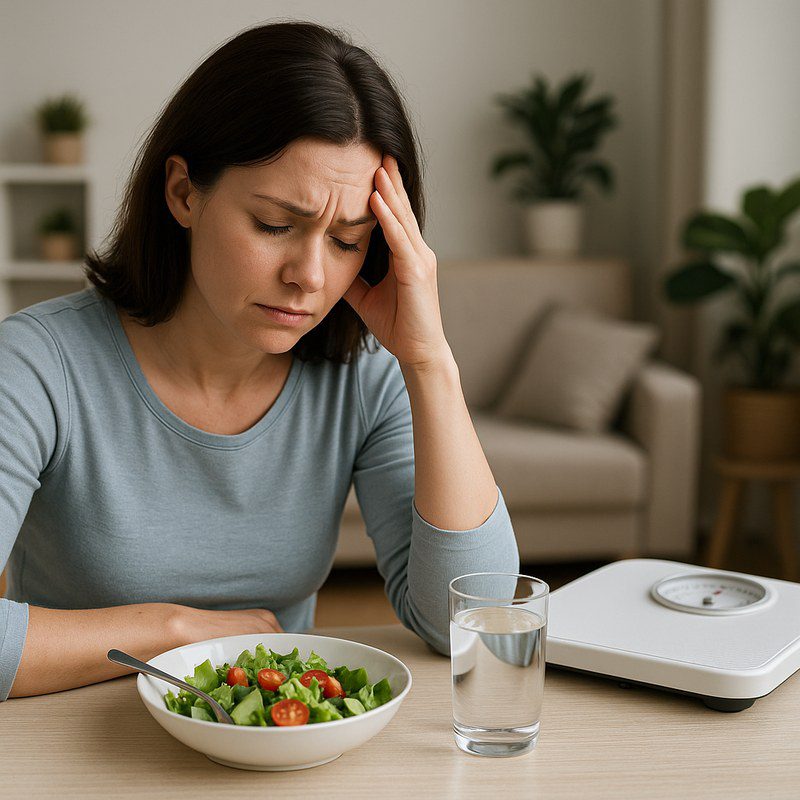
How Stress Impacts Appetite and Weight Loss
How Does Stress Affect Appetite?
Stress triggers hormones like cortisol, which can increase hunger and cravings, especially for high-calorie comfort foods. This can lead to overeating and weight gain over time.
Can Managing Stress Help with Weight Loss?
Yes. Reducing stress can lower cortisol levels, which may help control appetite and support healthier eating habits. Managing stress is an important part of a balanced weight loss plan.
What Daily Habits Support Stress Reduction and Weight Loss?
- Balanced Diet: Choose whole foods rich in fiber and protein to stay fuller longer and reduce cravings.
- Regular Exercise: Aim for moderate activity like walking or yoga to reduce stress and boost metabolism.
- Quality Sleep: Prioritize 7-9 hours of restful sleep to regulate hunger hormones.
- Mindfulness and Relaxation: Practice meditation, deep breathing, or gentle stretching to calm the mind.
At-Home Plan to Manage Stress and Support Weight Loss
- Start your day with a balanced breakfast including protein and fiber.
- Incorporate 15-30 minutes of moderate exercise most days.
- Set a consistent bedtime to improve sleep quality.
- Take short breaks during the day for mindfulness or stretching.
- Keep a journal to track mood, stress levels, and eating patterns.
When to Consult a Clinician
If stress feels overwhelming or leads to persistent changes in appetite or weight, talk to a healthcare provider. They can offer personalized support and check for underlying conditions.
Disclaimer
This content is informational and not medical advice. Consult a licensed clinician.
References
- American Psychological Association. Stress and Health. apa.org
- Mayo Clinic Staff. Stress and weight gain: What’s the connection? mayoclinic.org
- National Sleep Foundation. How Sleep Affects Your Appetite. sleepfoundation.org
For more on healthy daily habits, visit our healthcare blog.
Keep it simple. Start with one small step. Choose whole foods more often. Move your body each day. Sleep at a regular time. Drink enough water. Talk with your doctor if you need help.
About Umedoc Health Blog
At Umedoc, we’re committed to providing updated, accurate, and accessible health information to empower your wellness decisions. For more tips, health updates, and medical guidance, subscribe or bookmark our blog today.
For more tips, health updates, and medical guidance, subscribe or bookmark our blog today.

This article reviewed by Dr. Jim Liu, MD.
There’s nothing more important than our good health – that’s our principal capital asset.
#medical #telehealth #umedoc #GLP1 #weightloss