 Español
  English

Stress and Appetite: Myths, Facts, and Smart Weight Loss Ha
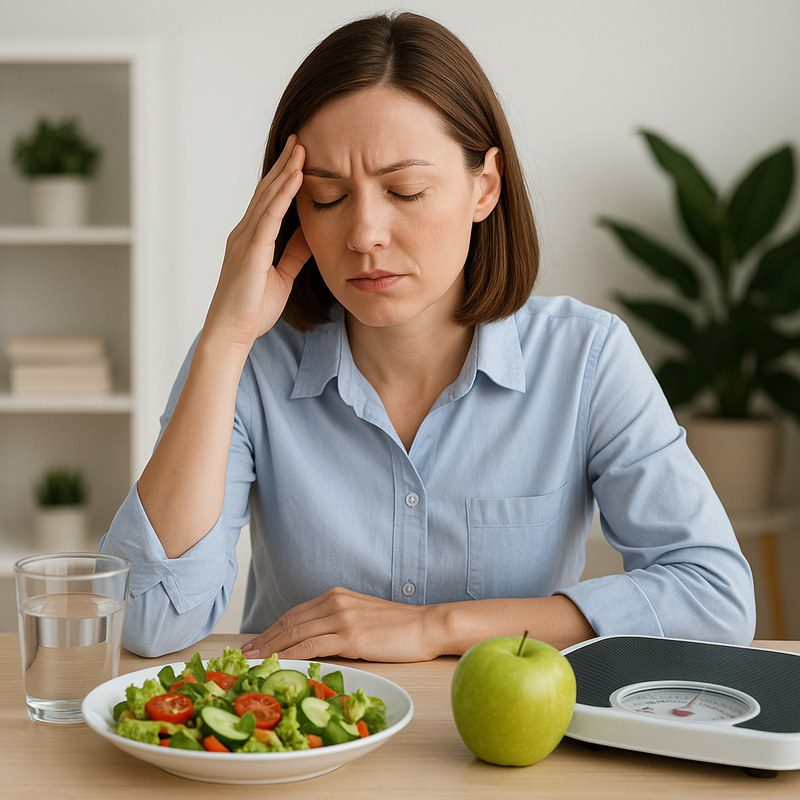
Myth vs Fact: Stress and Appetite
- Myth: Stress always leads to overeating.
- Fact: Stress affects people differently—some eat more, others less.
- Myth: Skipping meals helps control stress-related weight gain.
- Fact: Skipping meals can increase hunger and cause overeating later.
What Evidence Says About Stress and Appetite
Scientific studies show that stress triggers hormonal changes, including increased cortisol levels. Elevated cortisol can increase cravings for high-calorie foods and promote fat storage, especially around the abdomen. However, individual responses vary. Some people lose appetite under stress, while others eat more. Managing stress effectively supports healthier eating patterns and weight loss.
For example, research published by the National Institutes of Health highlights the link between stress, cortisol, and appetite regulation. Understanding this helps frame weight loss as a holistic process involving more than just diet and exercise.
Actionable Steps to Manage Stress and Support Weight Loss
- Practice Mindful Eating: Eat slowly and focus on your food to better recognize hunger and fullness.
- Incorporate Regular Exercise: Aim for at least 150 minutes of moderate activity weekly to reduce stress hormones and improve mood.
- Prioritize Quality Sleep: Getting 7–9 hours of restful sleep helps regulate appetite hormones like ghrelin and leptin.
- Use Relaxation Techniques: Try meditation, deep breathing, or yoga to lower stress and prevent emotional eating.
- Plan Balanced Meals: Include fiber-rich vegetables, lean proteins, and whole grains to keep you full longer and stabilize blood sugar.
- Seek Support When Needed: Talk to friends, family, or healthcare providers if stress feels overwhelming or persistent.
For more tips on building healthy habits for weight loss, visit our healthcare blog.
When to Consult a Clinician
If stress or appetite changes significantly affect your daily life or weight loss efforts, consider consulting a licensed healthcare professional. They can assess for underlying conditions, discuss options like GLP-1 receptor agonists if appropriate, and help tailor a safe, effective plan.
Disclaimer
This content is informational and not medical advice. Consult a licensed clinician.
References
- Adam TC, Epel ES. Stress, eating and the reward system. Physiol Behav. 2007;91(4):449-458. https://pubmed.ncbi.nlm.nih.gov/17686512/
- Tomiyama AJ. Stress and obesity. Annu Rev Psychol. 2019;70:703-718. https://www.ncbi.nlm.nih.gov/pmc/articles/PMC474733/
- National Sleep Foundation. How Sleep Affects Your Appetite. https://www.sleepfoundation.org/nutrition/how-sleep-affects-your-appetite
Keep it simple. Start with one small step. Choose whole foods more often. Move your body each day. Sleep at a regular time. Drink enough water. Talk with your doctor if you need help.
Keep it simple. Start with one small step. Choose whole foods more often. Move your body each day. Sleep at a regular time. Drink enough water. Talk with your doctor if you need help.
About Umedoc Health Blog
At Umedoc, we’re committed to providing updated, accurate, and accessible health information to empower your wellness decisions. For more tips, health updates, and medical guidance, subscribe or bookmark our blog today.
For more tips, health updates, and medical guidance, subscribe or bookmark our blog today.

This article reviewed by Dr. Jim Liu, MD.
There’s nothing more important than our good health – that’s our principal capital asset.
#medical #telehealth #umedoc #GLP1 #weightloss