 Español
  English

How Stress Impacts Appetite and Weight Loss Over Time
Today: Recognize How Stress Affects Your Appetite
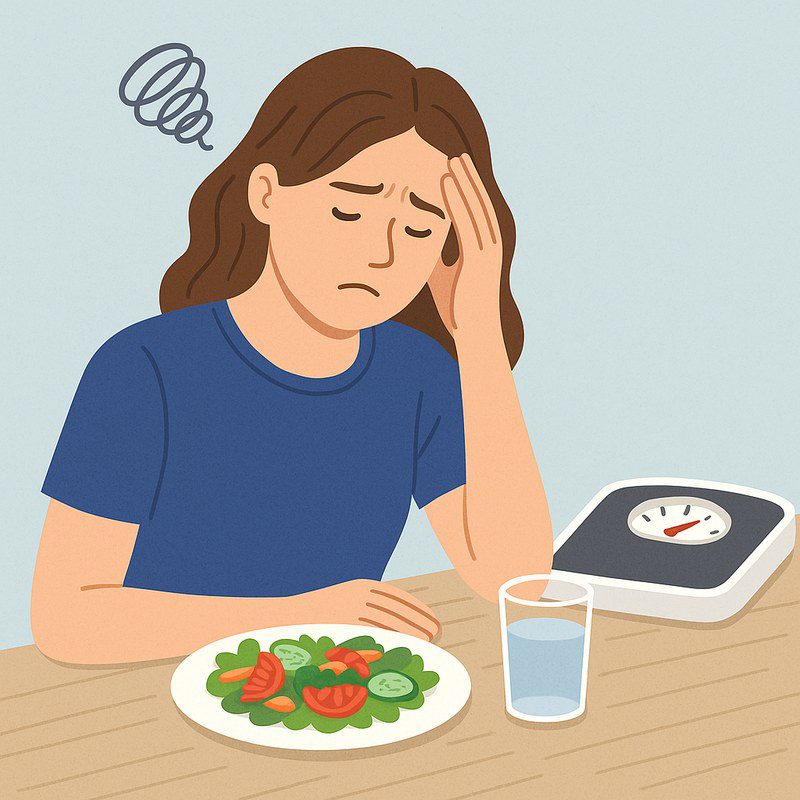
Stress triggers a natural body response that can increase hunger or cravings, especially for high-calorie foods. This happens because stress raises cortisol levels, a hormone linked to appetite and fat storage. Start by noticing how you feel when stressed. Do you reach for snacks or larger portions? Awareness is the first step to change.
This Week: Introduce Simple Stress and Sleep Habits
Focus on creating a calming routine to lower stress hormones and improve sleep, both of which influence appetite. Try these practical steps:
- Practice deep breathing or meditation for 5-10 minutes daily to help reduce cortisol.
- Limit caffeine intake after early afternoon to improve sleep quality.
- Set a consistent bedtime and wake-up time to support your body’s internal clock.
- Incorporate moderate exercise like walking or yoga most days, avoiding intense workouts close to bedtime.
Improved sleep helps regulate hunger hormones such as ghrelin and leptin, which control when you feel hungry or full.
This Month: Expect Gradual Appetite Balance and Weight Support
With ongoing stress and sleep management, you may notice fewer cravings and better appetite control. This creates a foundation for sustainable weight loss when combined with balanced diet and regular physical activity. Consider the following:
- Continue eating meals with lean proteins, whole grains, vegetables, and healthy fats.
- Stay hydrated as thirst can sometimes be mistaken for hunger.
- Consult your healthcare provider if you are considering medical options like GLP-1 receptor agonists to support weight loss.
When to Consult a Clinician
If stress or appetite changes are persistent or significantly affect your daily life, speak with a healthcare professional. They can help identify underlying conditions and recommend personalized strategies, including medication or therapy if needed.
Disclaimer
This content is informational and not medical advice. Consult a licensed clinician.
References
- National Institute of Diabetes and Digestive and Kidney Diseases: Health Risks of Overweight and Obesity
- American Psychological Association: Stress Effects on the Body
- NCBI: Cortisol and Appetite Regulation
- Learn more about healthy habits on the UmeDoc blog
Keep it simple. Start with one small step. Choose whole foods more often. Move your body each day. Sleep at a regular time. Drink enough water. Talk with your doctor if you need help.
Keep it simple. Start with one small step. Choose whole foods more often. Move your body each day. Sleep at a regular time. Drink enough water. Talk with your doctor if you need help.
Keep it simple. Start with one small step. Choose whole foods more often. Move your body each day. Sleep at a regular time. Drink enough water. Talk with your doctor if you need help.
Keep it simple. Start with one small step. Choose whole foods more often. Move your body each day. Sleep at a regular time. Drink enough water. Talk with your doctor if you need help.
About Umedoc Health Blog
At Umedoc, we’re committed to providing updated, accurate, and accessible health information to empower your wellness decisions. For more tips, health updates, and medical guidance, subscribe or bookmark our blog today.
For more tips, health updates, and medical guidance, subscribe or bookmark our blog today.

This article reviewed by Dr. Jim Liu, MD.
There’s nothing more important than our good health – that’s our principal capital asset.
#medical #telehealth #umedoc #GLP1 #weightloss