 Español
  English

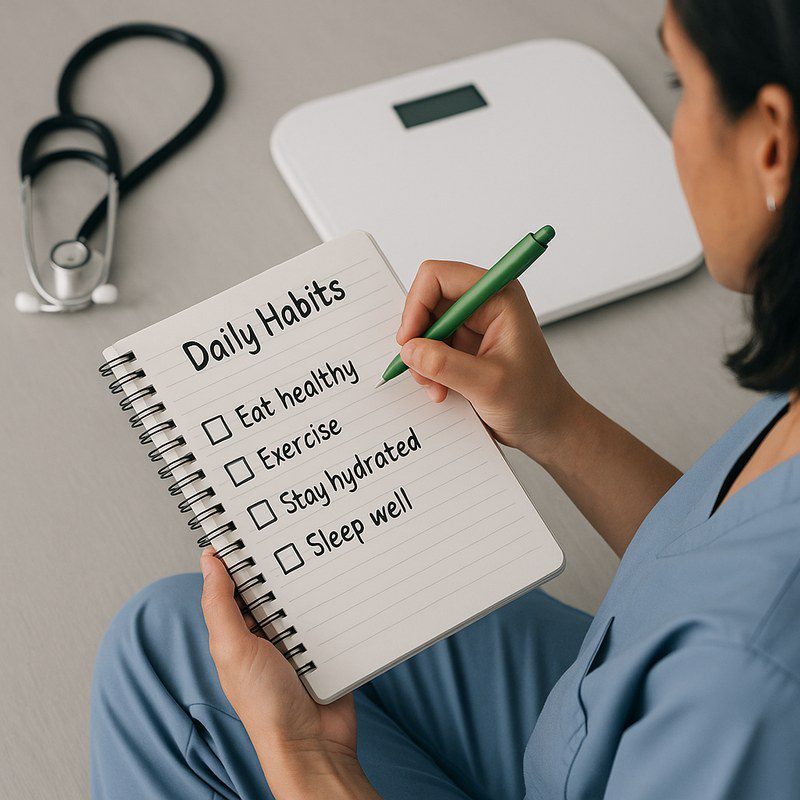
Track Daily Habits to Support Safe Weight Loss
Step-by-Step Plan to Track Daily Habits for Weight Loss
Tracking your daily habits can be a powerful tool to support weight loss. It helps you stay aware of your behaviors and make gradual, sustainable changes. Here’s a simple plan to get started:
- Day 1-3: Record Your Diet – Write down everything you eat and drink. Focus on portion sizes and meal timing without trying to change habits yet.
- Day 4-7: Add Exercise Tracking – Note the type, duration, and intensity of physical activity each day. Aim for at least 150 minutes of moderate exercise weekly, such as brisk walking or cycling.
- Week 2: Track Sleep Patterns – Record your sleep hours and quality. Adults should aim for 7-9 hours nightly to help regulate appetite hormones.
- Week 3: Monitor Stress Levels – Use a simple scale (1-10) to rate daily stress. Higher stress can affect eating habits and weight management.
- Ongoing: Review and Adjust – Weekly, review your logs to identify patterns. Adjust diet, activity, sleep, or stress management strategies as needed.
Common Mistakes When Tracking Habits
- Inconsistent Recording: Skipping days or incomplete notes can hide important patterns.
- Focusing Only on Calories: Quality of food matters; nutrient-rich foods support better health than calorie counting alone.
- Ignoring Sleep and Stress: These factors strongly influence appetite and metabolism but are often overlooked.
- Expecting Immediate Results: Weight loss is gradual. Frustration may lead to abandoning tracking prematurely.
Recovery Tips if You Slip Up
- Restart Tracking Promptly: Missing a day is normal. Simply resume without judgment.
- Focus on Small Wins: Celebrate improvements like an extra 10 minutes of walking or choosing a vegetable snack.
- Seek Support: Share goals with friends, family, or online groups to stay motivated.
- Consult Professionals: If you struggle with stress or sleep, consider talking to a clinician for tailored advice.
When to Consult a Clinician
If you have underlying health conditions, significant weight concerns, or are considering medications such as GLP-1 receptor agonists to support weight loss, speak with a licensed healthcare provider. They can help create a safe, personalized plan.
Disclaimer
This content is informational and not medical advice. Consult a licensed clinician.
References
- CDC: Losing Weight
- National Institute of Diabetes and Digestive and Kidney Diseases: Weight Management
- More on Healthy Habits at UmeDoc Blog
Keep it simple. Start with one small step. Choose whole foods more often. Move your body each day. Sleep at a regular time. Drink enough water. Talk with your doctor if you need help.
Keep it simple. Start with one small step. Choose whole foods more often. Move your body each day. Sleep at a regular time. Drink enough water. Talk with your doctor if you need help.
About Umedoc Health Blog
At Umedoc, we’re committed to providing updated, accurate, and accessible health information to empower your wellness decisions. For more tips, health updates, and medical guidance, subscribe or bookmark our blog today.
For more tips, health updates, and medical guidance, subscribe or bookmark our blog today.

This article reviewed by Dr. Jim Liu, MD.
There’s nothing more important than our good health – that’s our principal capital asset.
#medical #telehealth #umedoc #GLP1 #weightloss