 Español
  English

Weight Loss and GLP-1: What to Expect Over Time
Weight Loss and GLP-1: A Timeline for Healthy Habits
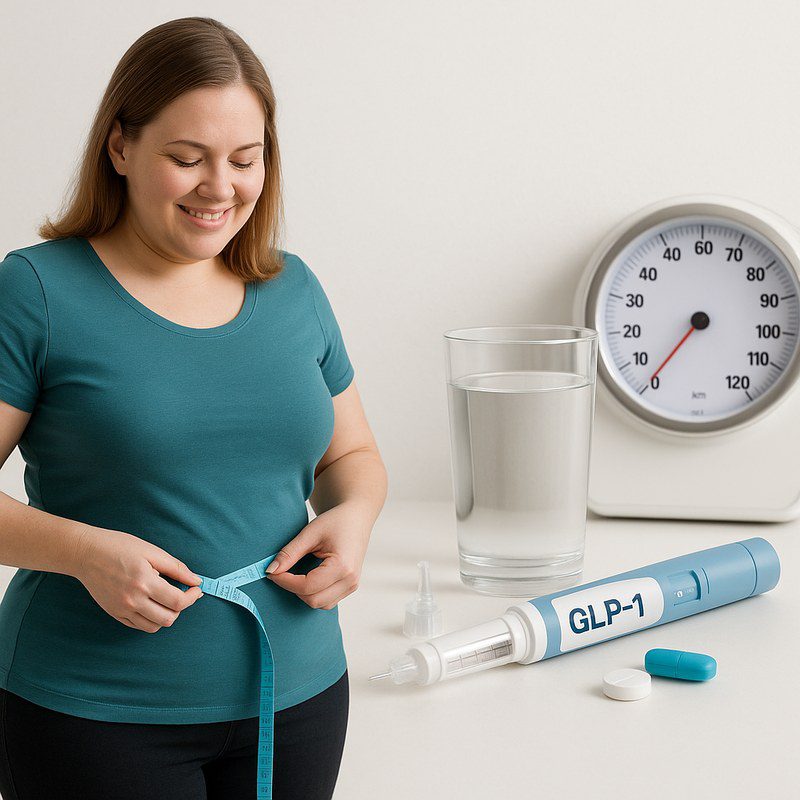
Weight loss can feel challenging, but understanding how your body responds over time helps set realistic goals. GLP-1 (glucagon-like peptide-1) is a hormone that supports appetite control and metabolism. Whether through natural lifestyle changes or prescribed medications, improving GLP-1 activity can aid your weight loss journey.
Today: Start with Balanced Choices
- Diet: Choose fiber-rich foods like vegetables, fruits, and whole grains to naturally boost GLP-1 levels and promote fullness.
- Exercise: Begin gentle activities like a 15-minute walk to enhance metabolism and hormone balance.
- Sleep: Set a regular bedtime aiming for 7-8 hours; quality sleep supports GLP-1 function.
- Stress: Try brief breathing exercises to reduce stress hormones that can interfere with weight management.
This Week: Build Consistent Habits
- Diet: Plan meals emphasizing lean proteins and healthy fats alongside carbs to help stabilize blood sugar and hunger signals.
- Exercise: Increase activity to 30 minutes most days, mixing aerobic and light strength training.
- Sleep: Avoid screens 30 minutes before bed to improve sleep quality and hormone regulation.
- Stress: Introduce mindfulness or meditation for 5-10 minutes daily to lower cortisol levels.
This Month: Notice Gradual Changes
After several weeks, you may observe improved appetite control and energy. GLP-1’s role in regulating hunger and glucose metabolism becomes more effective with steady healthy habits. Weight loss tends to be gradual—aim for about 1-2 pounds per week for safe, lasting results.
Remember, adjustments may be needed based on your progress. Celebrate small milestones and consult your healthcare provider if you consider GLP-1 medications or experience unexpected symptoms.
When to Consult a Clinician
- If you plan to start GLP-1 receptor agonist medications, discuss benefits and risks with your doctor.
- If you have chronic conditions like diabetes or heart disease, professional guidance is essential.
- If you experience rapid weight changes, persistent fatigue, or mood changes, seek medical advice.
Disclaimer
This content is informational and not medical advice. Consult a licensed clinician.
References
- GLP-1 and Appetite Regulation – National Institutes of Health
- Healthy Weight Loss – Centers for Disease Control and Prevention
- UmeDoc Healthcare Blog
Keep it simple. Start with one small step. Choose whole foods more often. Move your body each day. Sleep at a regular time. Drink enough water. Talk with your doctor if you need help.
Keep it simple. Start with one small step. Choose whole foods more often. Move your body each day. Sleep at a regular time. Drink enough water. Talk with your doctor if you need help.
Keep it simple. Start with one small step. Choose whole foods more often. Move your body each day. Sleep at a regular time. Drink enough water. Talk with your doctor if you need help.
About Umedoc Health Blog
At Umedoc, we’re committed to providing updated, accurate, and accessible health information to empower your wellness decisions. For more tips, health updates, and medical guidance, subscribe or bookmark our blog today.
For more tips, health updates, and medical guidance, subscribe or bookmark our blog today.

This article reviewed by Dr. Jim Liu, MD.
There’s nothing more important than our good health – that’s our principal capital asset.
#medical #telehealth #umedoc #GLP1 #weightloss