 Español
  English

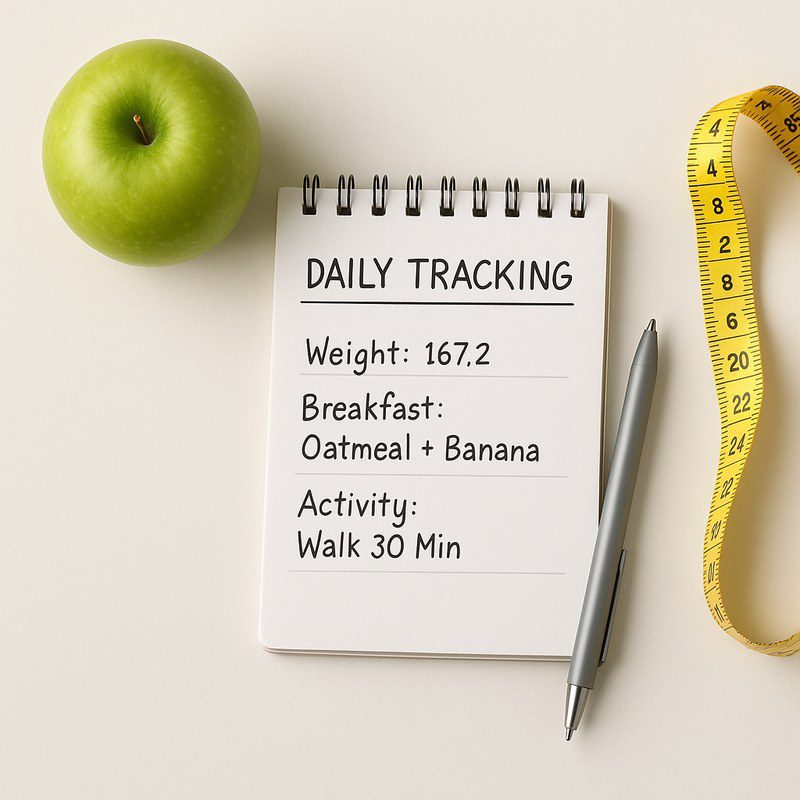
Daily Tracking: A Simple Habit to Support Weight Loss
Step-by-Step Plan to Use Daily Tracking for Weight Loss
Tracking your daily habits can help you understand patterns that affect weight loss. By monitoring diet, exercise, sleep, and stress, you can make gradual, sustainable changes. Follow this simple plan to get started:
- Days 1–3: Choose a tracking method that works for you—this could be a notebook, an app, or a spreadsheet. Record what you eat, your physical activity, sleep hours, and stress levels each day.
- Week 1: Review your notes daily to identify habits. Are you eating late at night? Is your sleep less than 7 hours? Note areas to improve without judgment.
- Week 2–3: Set small, specific goals based on your tracking. For example, add 10 minutes of walking daily, or aim to reduce screen time before bed to improve sleep.
- Ongoing: Continue tracking and adjust your goals as you learn more about what helps or hinders your progress. Include stress management techniques like deep breathing or short breaks.
Common Mistakes to Avoid
- Overcomplicating tracking: Trying to record too much can feel overwhelming and lead to quitting.
- Ignoring sleep and stress: These are key factors that influence appetite hormones like GLP-1 and metabolism.
- Expecting quick results: Weight loss is gradual; unrealistic expectations can cause frustration.
- Being too rigid: Strict dieting or exercise plans can backfire. Allow flexibility to maintain habits long-term.
Recovery Tips if Progress Slows or Stops
- Revisit your tracking data to spot patterns or triggers causing setbacks.
- Adjust goals to be smaller or more achievable.
- Incorporate stress reduction practices like mindfulness or gentle yoga.
- Consult your healthcare provider if you suspect medical issues affecting weight loss.
When to Consult a Clinician
If you experience persistent weight gain despite healthy habits, unexplained fatigue, or symptoms like shortness of breath or chest pain during exercise, seek medical advice. A clinician can help rule out underlying conditions and provide personalized guidance.
Disclaimer
This content is informational and not medical advice. Consult a licensed clinician.
References
- Centers for Disease Control and Prevention: Losing Weight
- National Institute of Diabetes and Digestive and Kidney Diseases: Tips for Getting Active
- Sleep Foundation: How Sleep Affects Weight Loss
For more practical health tips, visit our UMEDOC blog.
Keep it simple. Start with one small step. Choose whole foods more often. Move your body each day. Sleep at a regular time. Drink enough water. Talk with your doctor if you need help.
About Umedoc Health Blog
At Umedoc, we’re committed to providing updated, accurate, and accessible health information to empower your wellness decisions. For more tips, health updates, and medical guidance, subscribe or bookmark our blog today.
For more tips, health updates, and medical guidance, subscribe or bookmark our blog today.

This article reviewed by Dr. Jim Liu, MD.
There’s nothing more important than our good health – that’s our principal capital asset.
#medical #telehealth #umedoc #GLP1 #weightloss