Español
  English

The Gut-Brain Connection: Nurturing Your Mood from the Inside Out
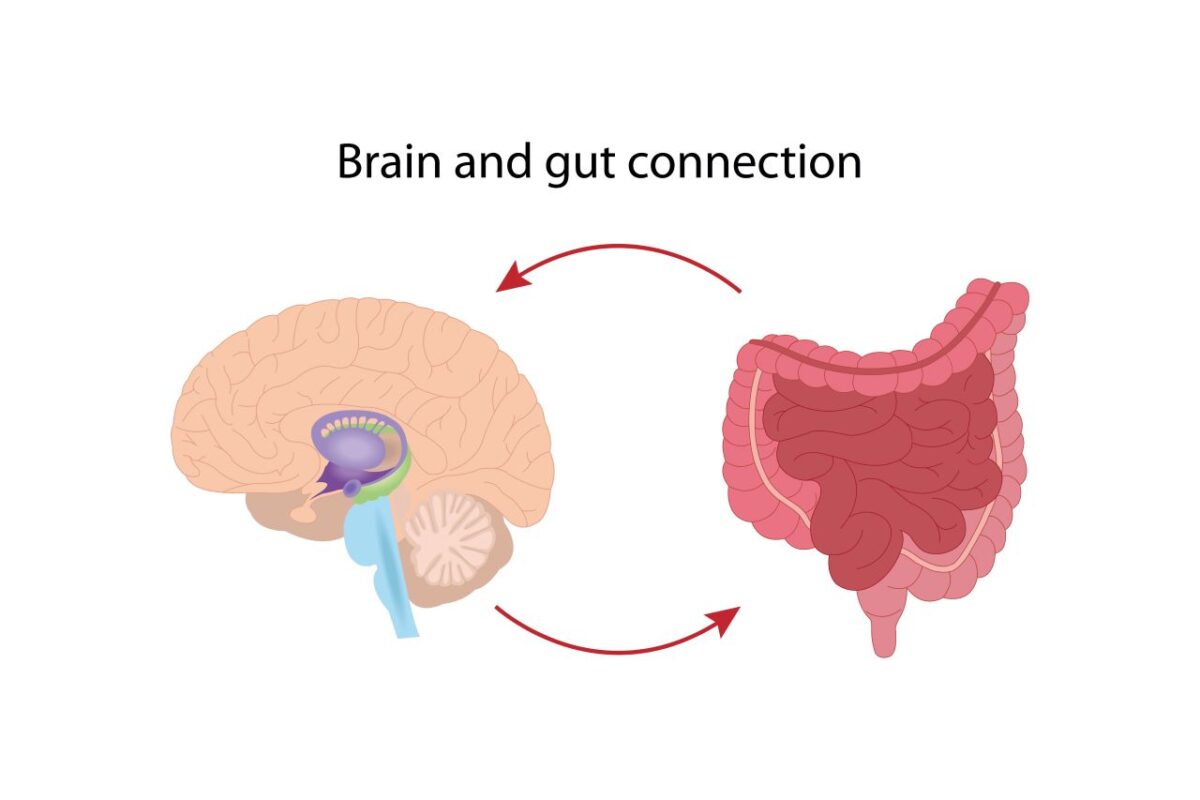
The idea that your gut health and mental well-being are linked may sound surprising, but modern science is confirming what many have long suspected. The gut-brain axis is a complex, two-way communication system that connects your brain’s emotional and cognitive centers with the functions of your gut. This intricate link means that the health of your digestive system, particularly the balance of its bacteria, can profoundly influence your mood, stress levels, and even your risk for mental health conditions. Understanding this powerful connection is the first step toward a holistic approach to nurturing both your body and your mind.
This guide (updated for 2025) will demystify the gut-brain axis, explain how your gut microbiome affects your mental health, and provide actionable, diet-focused strategies for fostering a healthier mood from the inside out.
Understanding the Gut-Brain Axis: A Two-Way Street
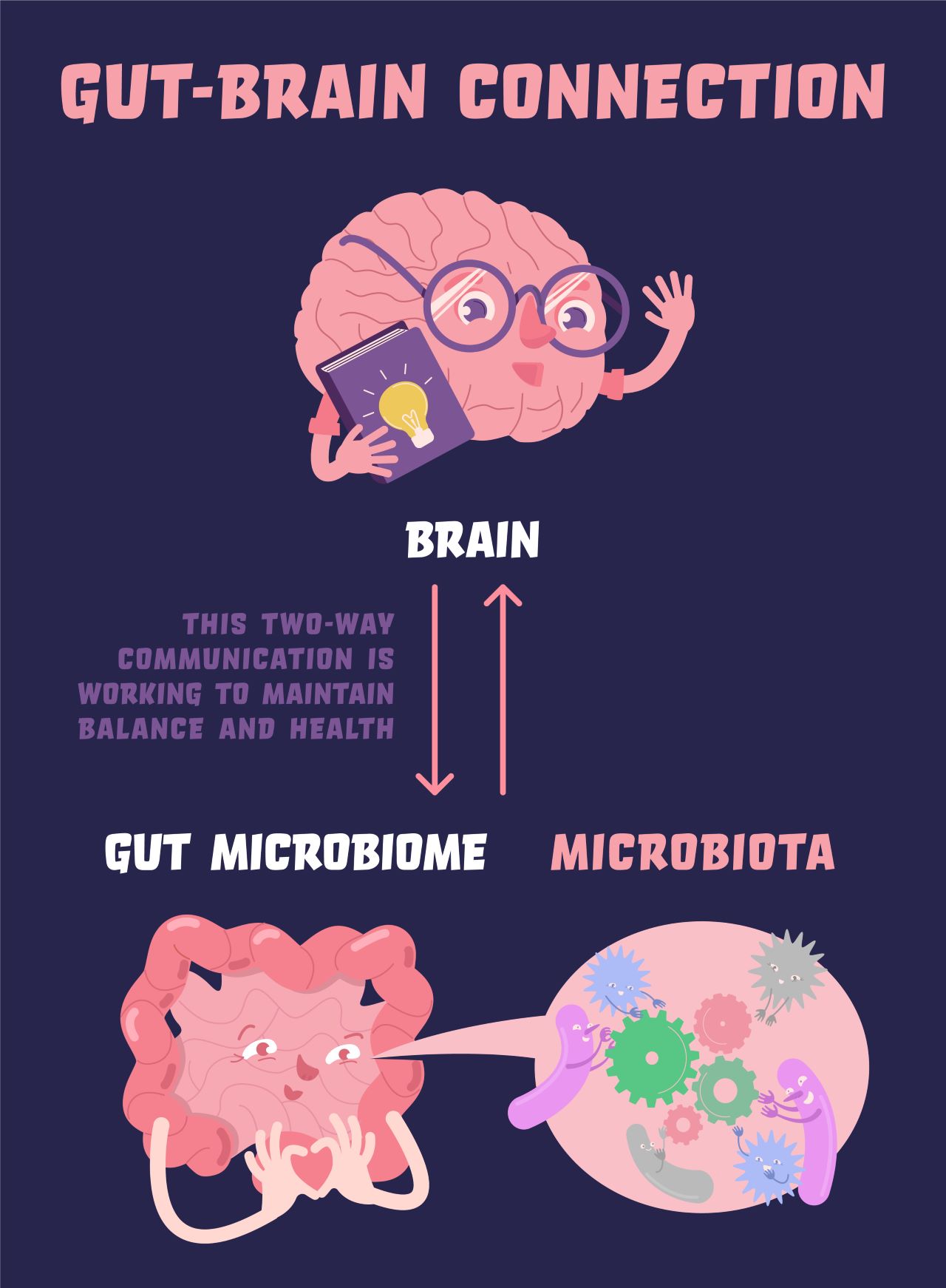
The gut and the brain are in constant communication through multiple pathways:
- The Vagus Nerve: This is the primary physical highway connecting the gut and the brain. It runs from your brainstem all the way to your abdomen, sending signals in both directions.
- Neurotransmitters: Your gut is home to trillions of microorganisms, collectively known as the gut microbiome. These bacteria produce and are influenced by the same neurotransmitters that your brain uses to regulate mood. For example, your gut produces about 95% of the body’s serotonin, a neurotransmitter that is crucial for feelings of happiness and well-being.
- Immune System: The gut plays a central role in your immune system. Inflammation in the gut can trigger an inflammatory response throughout the body and in the brain, which is linked to mood disorders.
How Your Gut Microbiome Influences Your Mental Health
The composition of your gut bacteria is a key determinant of the gut-brain axis’s function. A diverse, healthy microbiome is associated with a resilient and balanced mood, while an imbalance (dysbiosis) can contribute to a range of issues.
- Mood and Anxiety: Gut bacteria produce a variety of chemicals that travel to the brain, influencing emotions and behavior. Studies have shown that an imbalanced microbiome can be linked to higher levels of stress and anxiety.
- Stress Response: A healthy gut can help regulate the body’s stress response. An imbalanced gut, however, can lead to elevated cortisol levels, making you more susceptible to the negative effects of chronic stress.
- Cognitive Function: Emerging research suggests a link between gut health and cognitive function, including memory and learning.
A 2025 review in the Journal of Mental Health and Wellness reinforced the importance of the gut microbiome in psychological resilience, suggesting that dietary interventions may become a standard part of mental health treatment in the future.
Actionable Steps for a Healthier Gut and Mind
You can actively support a healthy gut microbiome through targeted dietary and lifestyle changes.
- Embrace Probiotics: These are live, beneficial bacteria that you can consume.
- Sources: Fermented foods like yogurt with live cultures, kefir, sauerkraut, kimchi, and kombucha.
- Tip: Incorporate a small serving of a fermented food into your diet daily.
- Feed Your Gut Bacteria with Prebiotics: Prebiotics are non-digestible fibers that serve as food for your gut’s good bacteria.
- Sources: Onions, garlic, leeks, asparagus, bananas, oats, and apples.
- Tip: Aim to include a variety of prebiotic-rich foods in your meals each day.
- Eat a Diverse, Whole-Foods Diet: The foundation of a healthy gut is a varied diet rich in fruits, vegetables, whole grains, and legumes. A diverse diet leads to a diverse microbiome.
- Limit Processed Foods and Sugar: Processed foods, artificial sweeteners, and excessive sugar can feed harmful gut bacteria and lead to an imbalance.
- Manage Stress and Get Enough Sleep: Stress and poor sleep can directly impact gut health. Practices like meditation, yoga, and ensuring 7-9 hours of sleep nightly are crucial.
Conclusions and Key Takeaways
- The gut-brain axis is a fundamental, two-way communication pathway that links your digestive health to your mental well-being.
- The balance of your gut microbiome plays a direct role in regulating mood, anxiety, and the body’s stress response.
- You can foster a healthier gut and mind by consuming a diet rich in probiotic and prebiotic foods, prioritizing whole foods, and limiting processed sugar.
- Nurturing your mental health is a holistic process that starts from within your gut.
Download The Gut-Brain Connection: A Holistic Plan for a Healthier Mind and Body HERE!
Trusted References
National Institute of Mental Health (NIMH). www.nimh.nih.gov
Harvard Health Publishing. health.harvard.edu (Search for “gut-brain connection.”)
Journal of Mental Health and Wellness. (Refer to recent research on the microbiome and mood.)
American Gastroenterological Association (AGA). www.gastro.org
About Umedoc Health Blog
At Umedoc, we’re committed to providing updated, accurate, and accessible health information to empower your wellness decisions. For more tips, health updates, and medical guidance, subscribe or bookmark our blog today.

This article reviewed by Dr. Jim Liu, MD.
There’s nothing more important than our good health – that’s our principal capital asset.
#medical #telehealth #umedoc #ecnoglutide #GLP #weight loss #Wegovy #diet