English
  Español

Beyond Nausea: A Comprehensive Guide to Managing GLP-1 Medication Side Effects
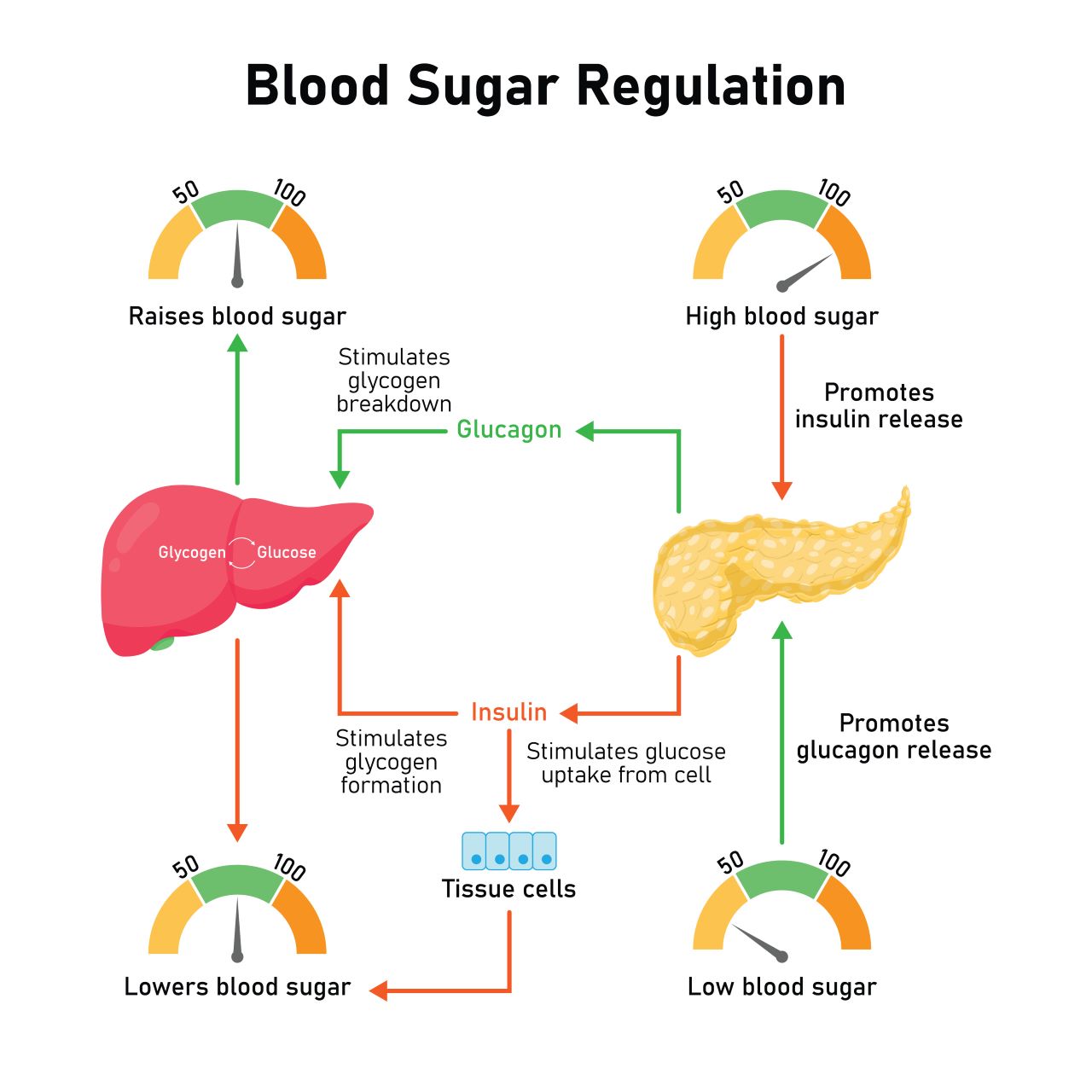
GLP-1 receptor agonists, such as Wegovy, Ozempic, and Zepbound, have transformed weight management for many, offering powerful appetite suppression and blood sugar control. However, while highly effective, these medications can come with a range of side effects, primarily affecting the gastrointestinal system. Understanding these potential challenges and, more importantly, how to effectively manage them, is crucial for a smoother treatment journey and long-term success.
This guide (updated for 2025) provides a comprehensive overview of common GLP-1 side effects and actionable strategies to alleviate discomfort, ensuring you can continue to benefit from your medication.
Understanding Common GLP-1 Side Effects
GLP-1 agonists work by slowing gastric emptying and acting on appetite centers in the brain. While these mechanisms are beneficial for weight loss, they are also the root cause of many side effects, especially during the initial weeks of treatment and with dose escalations.
1. Nausea and Vomiting:
- Why it happens: Slower digestion means food stays in the stomach longer, and the medication’s effect on brain receptors can trigger a feeling of queasiness.
- Management Strategies:
- Eat Small, Frequent Meals: Avoid large meals that can overwhelm your digestive system.
- Choose Bland, Low-Fat Foods: Opt for foods like toast, rice, crackers, plain chicken, or bananas. High-fat, greasy, or spicy foods are common triggers for nausea.
- Stay Hydrated: Sip water, clear broths, or ginger tea throughout the day. Dehydration can worsen nausea. Avoid sugary drinks, alcohol, and caffeine if they exacerbate symptoms.
- Eat Slowly and Mindfully: Chew your food thoroughly and pay attention to your body’s signals of fullness. Stop eating as soon as you feel satisfied.
- Avoid Lying Down After Meals: Wait at least 2-3 hours before lying down to aid digestion.
- Cold or Room Temperature Foods: These may be better tolerated than hot foods due to less intense aromas.
- Ginger and Peppermint: Consider ginger chews, ginger ale (sugar-free), or peppermint tea.
- Medication: If nausea is severe, your doctor may prescribe anti-nausea medication.
2. Constipation:
- Why it happens: Slower gut motility and sometimes reduced fluid/fiber intake due to decreased appetite.
- Management Strategies:
- Increase Fluid Intake: This is paramount. Drink plenty of water (at least 64 ounces daily), herbal teas, and clear broths to soften stool.
- Gradually Increase Fiber: Slowly introduce more fiber-rich foods like fruits (berries, apples, pears), vegetables (broccoli, leafy greens), whole grains (oats, brown rice), and legumes. Sudden increases can cause bloating.
- Stay Active: Regular physical activity, even a daily walk, stimulates bowel movements.
- Fiber Supplements/Stool Softeners: If dietary changes aren’t enough, consult your doctor about over-the-counter options like fiber supplements (e.g., psyllium) or gentle stool softeners.
3. Diarrhea:
Small Meals: Continue with smaller, frequent meals.
Why it happens: While less common than constipation, some individuals experience diarrhea, especially during dose adjustments.
Management Strategies:
BRAT Diet: Focus on bland, binding foods like bananas, rice, applesauce, and toast.
Low-Fiber Foods Temporarily: Temporarily reduce high-fiber foods that might aggravate symptoms.
Avoid Triggers: Limit greasy, fried, sugary, or very spicy foods.
Hydration with Electrolytes: Sip clear liquids and electrolyte-rich beverages to prevent dehydration.
Other Potential Side Effects and When to Contact Your Doctor
- Fatigue: Often improves as your body adjusts. Ensure adequate sleep, balanced nutrition (especially protein), and light activity.
- Headaches: Often linked to dehydration. Increase fluid intake.
- Injection Site Reactions: Mild redness, itching, or swelling at the injection site are common and usually temporary.
- Reduced Appetite/Forgetting to Eat: While beneficial, this can lead to insufficient nutrient intake. Focus on nutrient density in smaller portions.
When to Contact Your Healthcare Provider Immediately:
- Severe or persistent nausea, vomiting, or diarrhea that leads to dehydration (e.g., dizziness, reduced urination).
- Severe abdominal pain.
- Signs of an allergic reaction (hives, widespread rash, facial/lip/tongue swelling, difficulty breathing).
- Signs of pancreatitis (severe pain in the abdomen that may spread to the back, with or without vomiting).
- Any symptoms that are severe, persistent, or concerning.
Prevention and Long-Term Strategies
- Dose Titration: Your doctor will gradually increase your dose to allow your body to adjust, which helps minimize side effects. Don’t rush dose increases.
- Food Diary: Keep a food diary to identify specific foods that worsen your symptoms.
- Communicate: Maintain open communication with your healthcare provider. Report any side effects so they can provide personalized advice or adjust your treatment plan.
- Balanced Lifestyle: Remember, GLP-1s are a tool. Combining them with a high-protein, high-fiber, healthy-fat diet, consistent hydration, and regular physical activity will lead to the best results and greater comfort.
Conclusions and Key Takeaways
- GLP-1 medications can cause gastrointestinal side effects like nausea, vomiting, constipation, and diarrhea, especially at the start of treatment.
- These side effects are often manageable with dietary adjustments, such as eating small, bland, low-fat meals, prioritizing protein, and staying well-hydrated.
- Communication with your healthcare provider is crucial for personalized advice and to address any severe or persistent symptoms.
- Optimizing your diet and lifestyle not only helps manage side effects but also maximizes the effectiveness and sustainability of your weight loss journey.
Trusted References
- Cleveland Clinic. my.clevelandclinic.org (Refer to “GLP-1 Agonists – Side Effects” information.)
- Healthline. www.healthline.com (Search for “Ozempic best and worst foods to eat.”)
- Ro. ro.co/weight-loss (Search for “Semaglutide Constipation” and other side effect management.)
- American Gastroenterological Association (AGA). www.gastro.org (For general GI health advice.)
In conclusion, integrating Wegovy with a healthy diet and lifestyle modifications is crucial for effective and sustainable weight loss. For detailed meal suggestions and guidance, refer to our Wegovy Diet Plan PDF.
About Umedoc Health Blog
At Umedoc, we’re committed to providing updated, accurate, and accessible health information to empower your wellness decisions. For more tips, health updates, and medical guidance, subscribe or bookmark our blog today.

This article reviewed by Dr. Jim Liu, MD.
There’s nothing more important than our good health – that’s our principal capital asset.
#medical #telehealth #umedoc #ecnoglutide #GLP #weight loss #Wegovy #diet