English
  Español

What Does a Poison Sumac Rash Look Like?
Poison sumac is a shrub or small tree commonly found in wet, swampy areas of the eastern United States, known for causing a severe allergic skin reaction due to its urushiol oil. Similar to poison ivy and oak, it affects the majority of people exposed, leading to an itchy rash that can disrupt daily activities. Early recognition of the rash’s appearance is vital for effective management and to prevent spreading the oil to other body parts or people.
Appearance of the Rash
The poison sumac rash typically manifests as red, swollen streaks or patches on the skin where the plant’s oil has made contact, often appearing in linear patterns from brushing against leaves or stems. It progresses to clusters of small, fluid-filled blisters that may weep clear fluid, and in severe cases, the skin can become shiny and inflamed. Unlike poison ivy, sumac rashes can be more intense due to higher urushiol concentrations, potentially covering larger areas if exposure is extensive. The rash usually emerges 8 to 48 hours post-exposure and peaks within a week.
Symptoms
Symptoms include intense itching, burning, and tenderness at the site, sometimes accompanied by swelling or hives. In rare instances, if the oil is inhaled from burning plants, it can cause respiratory issues, though skin reactions are most common. The rash is not contagious person-to-person but can spread on one’s body if urushiol remains on skin, nails, or clothing.
Treatment and Prevention
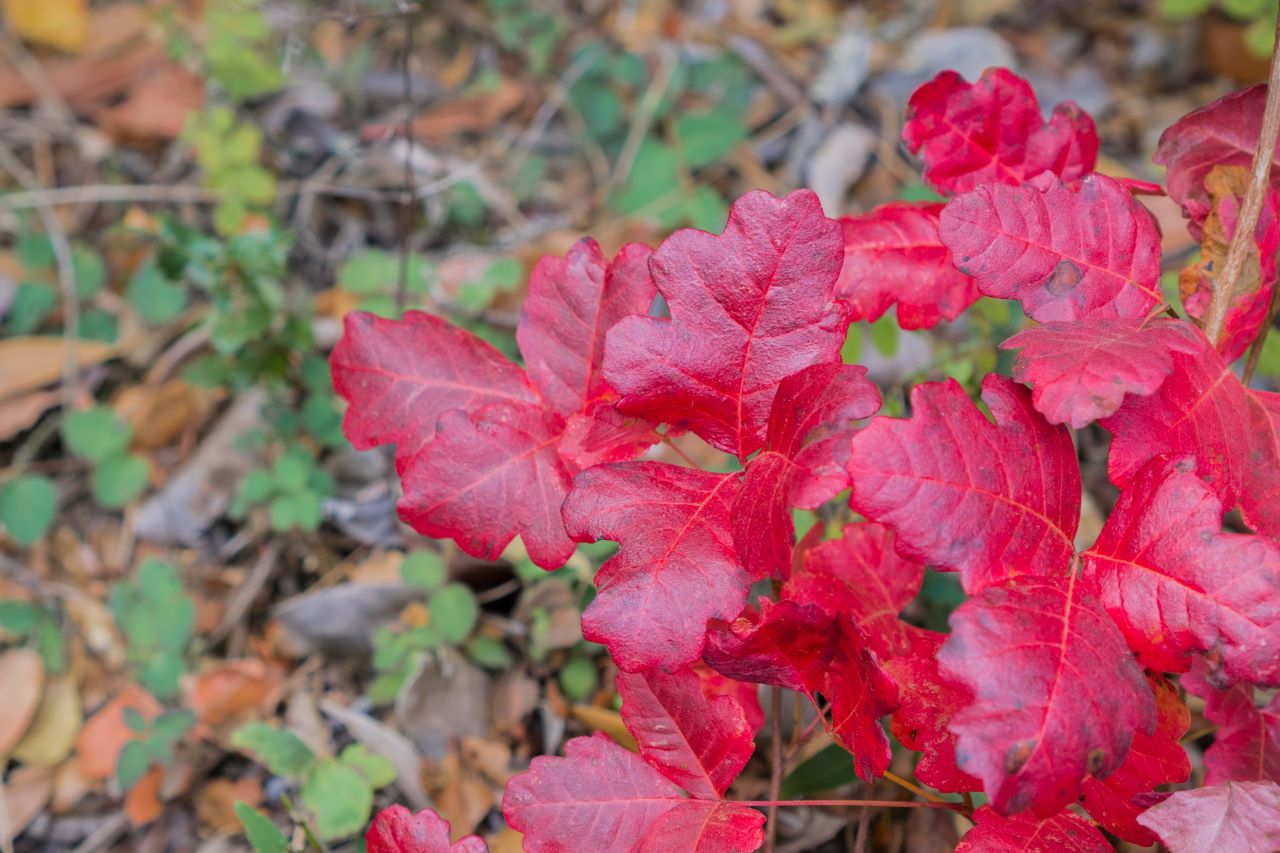
Treatment focuses on symptom relief: Wash the area immediately with soap and cool water to remove urushiol. Apply calamine lotion or hydrocortisone cream for itching, and use colloidal oatmeal baths or baking soda compresses for soothing. For severe cases, oral steroids or antihistamines may be prescribed. Prevention involves wearing protective clothing in wooded or wetland areas, avoiding contact with the plant (identified by 7-13 smooth-edged leaflets per leaf), and using barrier creams. The rash generally resolves in 1-3 weeks.
Practical Health Plans and Tips (Downloadable PDF Guide)
This section offers a downloadable PDF with a structured plan for handling and preventing poison sumac exposure. Key tips include:
- Identification Checklist: Look for reddish stems and white berries; avoid plants in wet areas.
- Immediate Response: Wash exposed skin within 30 minutes; launder clothes separately.
- Daily Care Routine: Apply lotions twice daily; monitor for infection signs like pus.
- Long-Term Prevention: Use apps for plant identification during hikes; stock first-aid kits with anti-itch remedies.
Conclusion
A poison sumac rash, characterized by red streaks and blistering from urushiol contact, can be highly uncomfortable but is treatable with prompt washing and topical remedies. By learning to identify the plant and adopting preventive habits, you can significantly reduce exposure risks. If symptoms escalate, professional medical advice ensures complete recovery and prevents complications.
About Umedoc Health Blog
At Umedoc, we’re committed to providing updated, accurate, and accessible health information to empower your wellness decisions. For more tips, health updates, and medical guidance, subscribe or bookmark our blog today.

This article reviewed by Dr. Jim Liu, MD.
There’s nothing more important than our good health – that’s our principal capital asset.
#medical #telehealth #umedoc #ecnoglutide #GLP #weight loss #Wegovy #diet