 English
  Español

Exercise Consistency: Myths, Facts, and Smart Weight Loss H
Introduction
Many people believe that exercising hard once in a while is enough to lose weight. However, building a steady exercise routine is key to safe, long-lasting weight loss. In this article, we explore common myths and facts about exercise consistency, review what the science says, and offer practical steps to help adults develop healthy daily habits.
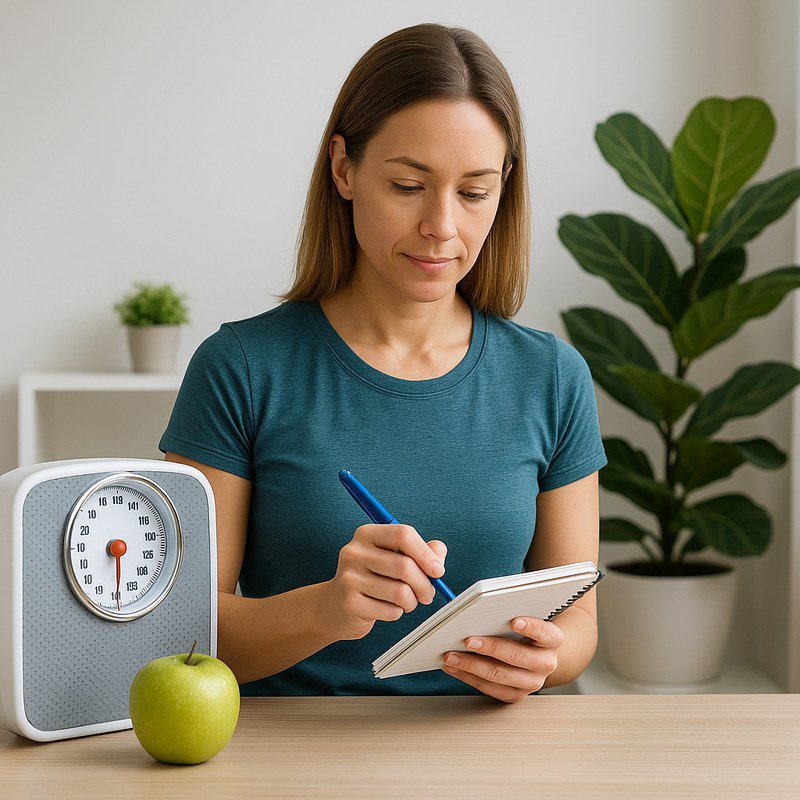
Myth vs Fact: Exercise and Weight Loss
- Myth: You have to exercise intensely every day to lose weight.
- Fact: Regular moderate exercise, such as brisk walking, done consistently over weeks and months supports steady weight loss and health.
- Myth: Skipping workouts won’t affect your progress much.
- Fact: Inconsistent exercise often slows weight loss and makes it harder to maintain motivation.
- Myth: Exercise alone can lead to quick weight loss without diet changes.
- Fact: Combining exercise with a balanced diet is more effective and sustainable.
What Evidence Says
Research shows that adults who maintain consistent physical activity—about 150 minutes of moderate aerobic exercise each week plus strength training twice weekly—have better weight control and metabolic health. Irregular or very intense exercise without rest may increase injury risk and discourage long-term habits. Furthermore, factors like sleep quality and stress levels influence how the body responds to exercise and weight loss efforts. For example, poor sleep can disrupt hormones such as ghrelin and leptin, which regulate hunger and fullness.
GLP-1 medications, prescribed in some cases for weight management, help reduce appetite but work best when combined with steady lifestyle changes including diet, exercise, stress management, and sleep hygiene.
Actionable Steps for Building Exercise Consistency
- Set Realistic Goals: Start with short sessions, such as 10 minutes of walking, and gradually increase.
- Schedule Workouts: Treat exercise times like important appointments to create routine.
- Mix Activities: Include walking, cycling, strength training, and stretching to keep your routine interesting.
- Prioritize Sleep: Aim for 7–9 hours nightly to support recovery and hormone balance.
- Manage Stress: Use relaxation techniques like deep breathing or meditation to keep stress in check.
- Track Progress: Use journals or apps to monitor exercise, diet, sleep, and stress for better insight and motivation.
For additional tips on healthy habits, visit our healthcare blog.
When to Consult a Clinician
If you experience unusual symptoms during exercise, have chronic health conditions, or plan to start a new medication like GLP-1 receptor agonists, talk to your healthcare provider. A clinician can help tailor a safe and effective weight loss plan suited for your needs.
Disclaimer
This content is informational and not medical advice. Consult a licensed clinician.
References
- U.S. Department of Health and Human Services. Physical Activity Guidelines for Americans, 2nd edition. 2018. https://health.gov/sites/default/files/2019-09/Physical_Activity_Guidelines_2nd_edition.pdf
- National Sleep Foundation. How Sleep Affects Your Weight. 2021. https://www.sleepfoundation.org/nutrition/weight-loss-and-sleep
- American Heart Association. Stress and Weight Gain. 2020. https://www.heart.org/en/healthy-living/healthy-lifestyle/stress-management/stress-and-weight-gain
Keep it simple. Start with one small step. Choose whole foods more often. Move your body each day. Sleep at a regular time. Drink enough water. Talk with your doctor if you need help.
Keep it simple. Start with one small step. Choose whole foods more often. Move your body each day. Sleep at a regular time. Drink enough water. Talk with your doctor if you need help.
About Umedoc Health Blog
At Umedoc, we’re committed to providing updated, accurate, and accessible health information to empower your wellness decisions. For more tips, health updates, and medical guidance, subscribe or bookmark our blog today.
For more tips, health updates, and medical guidance, subscribe or bookmark our blog today.

This article reviewed by Dr. Jim Liu, MD.
There’s nothing more important than our good health – that’s our principal capital asset.
#medical #telehealth #umedoc #GLP1 #weightloss