 English
  Español

Consistency in Exercise: A Key Habit for Weight Loss
Understanding the Challenge of Maintaining Weight Loss
Losing weight is often a gradual process that requires more than just diet changes. Many adults find that staying consistent with exercise is difficult but essential for steady progress. Inconsistent physical activity can slow weight loss and affect overall health.
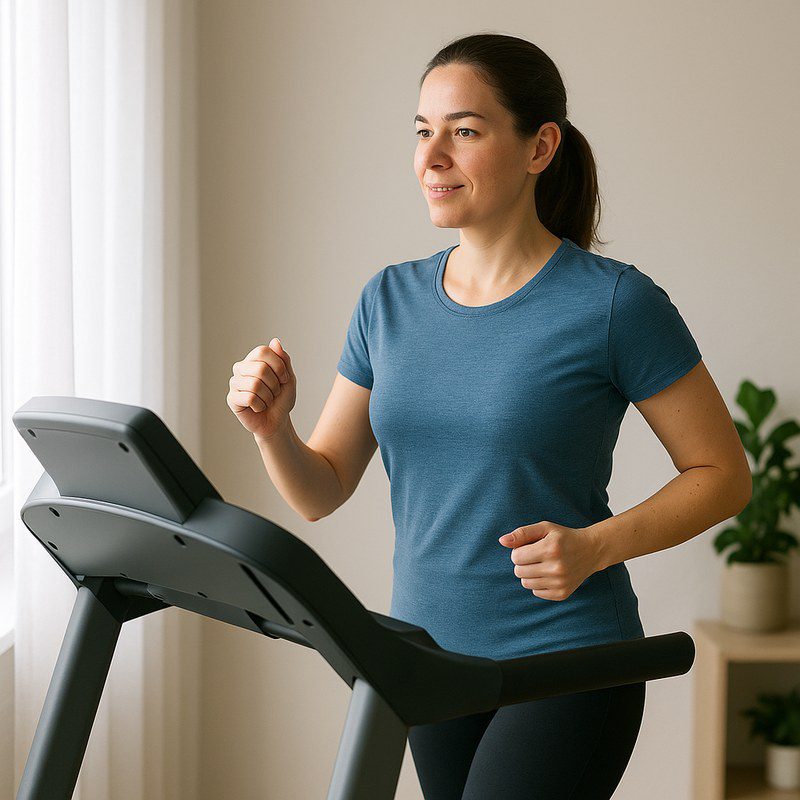
Why Is Exercise Consistency Difficult?
- Busy Schedules: Work and family commitments can limit time for workouts.
- Lack of Motivation: Fluctuating energy or mood can affect willingness to exercise regularly.
- Unrealistic Goals: Setting overly ambitious targets may lead to burnout or skipping sessions.
- Physical Barriers: Pain or health conditions can make some activities challenging.
A Practical Plan to Build Consistent Exercise Habits
Establishing a routine that fits your lifestyle helps create lasting habits. Here is a simple weekly plan to support weight loss safely:
- Set Realistic Goals: Start with 15 to 30 minutes of moderate activity, like brisk walking, most days.
- Mix Activities: Combine aerobic exercises with strength training twice a week to maintain muscle mass.
- Schedule Workouts: Treat exercise like an appointment to increase commitment.
- Track Progress: Use a journal or app to log activity and reflect on improvements.
- Prioritize Sleep and Stress Management: Quality sleep (7–9 hours) and stress reduction help regulate appetite and energy for exercise.
Weekly Checklist for Consistent Weight Loss Habits
- Exercise at least 5 days: 30 minutes moderate activity + 2 days strength training
- Eat balanced meals with vegetables, lean protein, and whole grains
- Sleep 7–9 hours nightly, with a calming bedtime routine
- Practice stress-reducing techniques, such as deep breathing or meditation
- Monitor daily habits using a notebook or digital tool
When to Consult a Clinician
If you experience persistent pain during exercise, significant fatigue, or underlying health conditions, consult your healthcare provider before starting or changing your routine. A clinician can help tailor a safe and effective plan, including discussing options like GLP-1 medications if appropriate.
Disclaimer
This content is informational and not medical advice. Consult a licensed clinician.
References
- Centers for Disease Control and Prevention: Benefits of Physical Activity
- National Heart, Lung, and Blood Institute: Aim for a Healthy Weight
- UmeDoc Blog
Keep it simple. Start with one small step. Choose whole foods more often. Move your body each day. Sleep at a regular time. Drink enough water. Talk with your doctor if you need help.
Keep it simple. Start with one small step. Choose whole foods more often. Move your body each day. Sleep at a regular time. Drink enough water. Talk with your doctor if you need help.
Keep it simple. Start with one small step. Choose whole foods more often. Move your body each day. Sleep at a regular time. Drink enough water. Talk with your doctor if you need help.
Keep it simple. Start with one small step. Choose whole foods more often. Move your body each day. Sleep at a regular time. Drink enough water. Talk with your doctor if you need help.
About Umedoc Health Blog
At Umedoc, we’re committed to providing updated, accurate, and accessible health information to empower your wellness decisions. For more tips, health updates, and medical guidance, subscribe or bookmark our blog today.
For more tips, health updates, and medical guidance, subscribe or bookmark our blog today.

This article reviewed by Dr. Jim Liu, MD.
There’s nothing more important than our good health – that’s our principal capital asset.
#medical #telehealth #umedoc #GLP1 #weightloss