 English
  Español

Daily Tracking Habits to Support Adult Weight Loss
Introduction
Losing weight can be challenging, especially when daily habits go unnoticed. Tracking key behaviors like diet, exercise, sleep, and stress helps create awareness and supports steady progress. This article outlines a clear daily tracking plan, highlights common mistakes, and offers practical tips to get back on track.
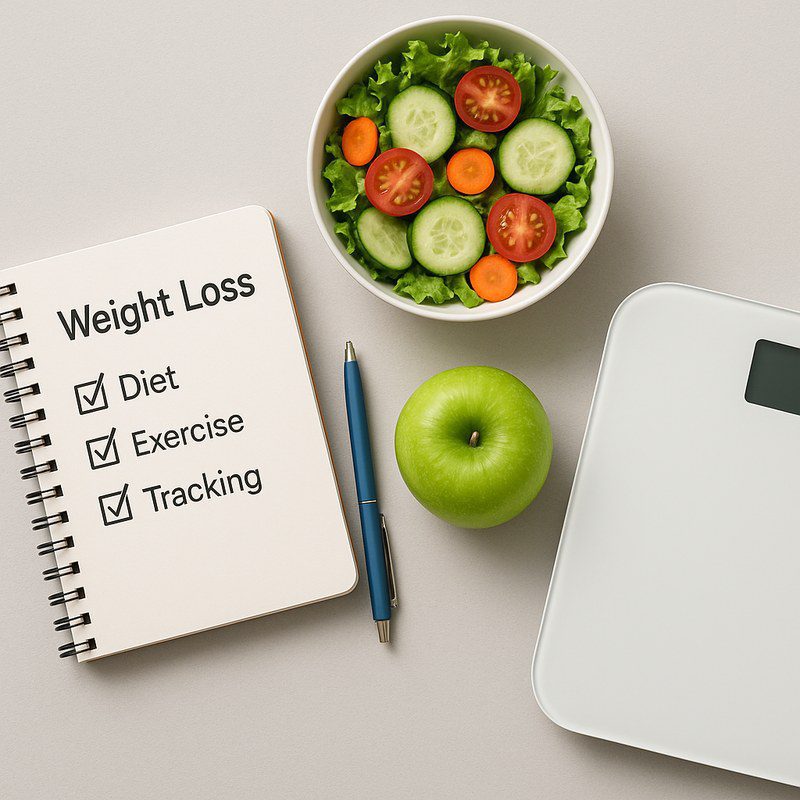
Step-by-Step Daily Tracking Plan for Weight Loss
- Food and Drink Log: Write down everything you eat and drink, focusing on portion sizes and meal timing. Include notes on how you feel before and after meals to spot emotional eating triggers.
- Exercise Record: Track the type, duration, and intensity of physical activity. Aim for at least 150 minutes of moderate exercise weekly, including strength training twice a week.
- Sleep Journal: Note your bedtime, wake time, and sleep quality. Adults typically need 7–9 hours of restful sleep to regulate appetite hormones.
- Stress Monitoring: Rate your daily stress level on a simple scale and record any coping strategies used, such as deep breathing or short walks.
Using a smartphone app or a small notebook can make this process easier and consistent.
Common Mistakes in Daily Tracking
- Inconsistent Logging: Skipping days or forgetting details can hide important patterns.
- Underestimating Portions: Not measuring or eyeballing food can lead to unnoticed calorie intake.
- Ignoring Sleep and Stress: Focusing only on diet and exercise misses key factors influencing weight.
- Relying Solely on Scale Weight: Weight fluctuates daily; consider other markers like energy levels and clothing fit.
Recovery Tips to Refocus Your Weight Loss Efforts
- Set Reminders: Use phone alerts to prompt daily tracking and meal planning.
- Measure Portions: Use measuring cups or a food scale to improve accuracy.
- Include All Habits: Add notes on sleep and stress to your log for a fuller picture.
- Review Weekly: Reflect on your records to identify trends and adjust goals.
- Consult Professionals: If prescribed, medications like GLP-1 receptor agonists can support appetite control but are most effective alongside lifestyle tracking and changes.
When to Consult a Clinician
If you experience unexplained weight changes, persistent fatigue, or difficulty managing stress and sleep despite tracking, seek advice from a healthcare provider. They can evaluate underlying causes and recommend personalized strategies.
Disclaimer
This content is informational and not medical advice. Consult a licensed clinician.
References
- CDC – Losing Weight
- National Institute of Diabetes and Digestive and Kidney Diseases – Physical Activity Tips
- Sleep Foundation – Sleep and Weight Loss
- Explore more health articles on UMEDoc Blog
Keep it simple. Start with one small step. Choose whole foods more often. Move your body each day. Sleep at a regular time. Drink enough water. Talk with your doctor if you need help.
Keep it simple. Start with one small step. Choose whole foods more often. Move your body each day. Sleep at a regular time. Drink enough water. Talk with your doctor if you need help.
Keep it simple. Start with one small step. Choose whole foods more often. Move your body each day. Sleep at a regular time. Drink enough water. Talk with your doctor if you need help.
About Umedoc Health Blog
At Umedoc, we’re committed to providing updated, accurate, and accessible health information to empower your wellness decisions. For more tips, health updates, and medical guidance, subscribe or bookmark our blog today.
For more tips, health updates, and medical guidance, subscribe or bookmark our blog today.

This article reviewed by Dr. Jim Liu, MD.
There’s nothing more important than our good health – that’s our principal capital asset.
#medical #telehealth #umedoc #GLP1 #weightloss