English
  Español

Living Well with Diabetes: It’s All About Balance
Hearing the words “you have diabetes” can feel overwhelming, but take a deep breath. A diabetes diagnosis is not a sentence—it’s a starting point for learning how to work with your body in a new way. With today’s tools and knowledge, you can absolutely live a long, vibrant, and healthy life.
What is Diabetes, Anyway?
In the simplest terms, diabetes is a condition where your body has trouble using sugar (called glucose) from food for energy. Glucose is our body’s main fuel, and a hormone called insulin acts like a key that lets the glucose into our cells to be used.
- In Type 1 diabetes, the body’s immune system mistakenly attacks and destroys the cells in the pancreas that make insulin. The “insulin factory” is shut down.
- In Type 2 diabetes, the body either doesn’t produce enough insulin, or the body’s cells don’t respond to the insulin properly. It’s like having the key (insulin), but the lock on the cell door is a bit rusty.
Why Blood Sugar Balance is Key
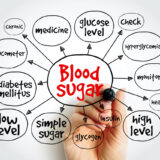
The goal of diabetes management is to keep your blood sugar in a healthy, balanced range. Think of it like the air pressure in your car’s tires. Too high for too long, and it can cause damage. Over time, high blood sugar can harm blood vessels throughout the body, affecting your eyes, kidneys, nerves, and heart.
Your Diabetes Management Toolkit 🛠️
Medication & Monitoring: For many, medication is an essential tool. Just as important is monitoring your blood sugar. It tells you exactly how your body is responding to food, exercise, and medication, empowering you to make smart decisions.
Food as Fuel: You don’t have to give up your favorite foods! It’s about learning how different foods, especially carbohydrates, affect your blood sugar.
The Power of Movement: Exercise is like a superhero for diabetes management. It naturally helps lower your blood sugar. Even a 15-minute walk after a meal can make a huge difference.
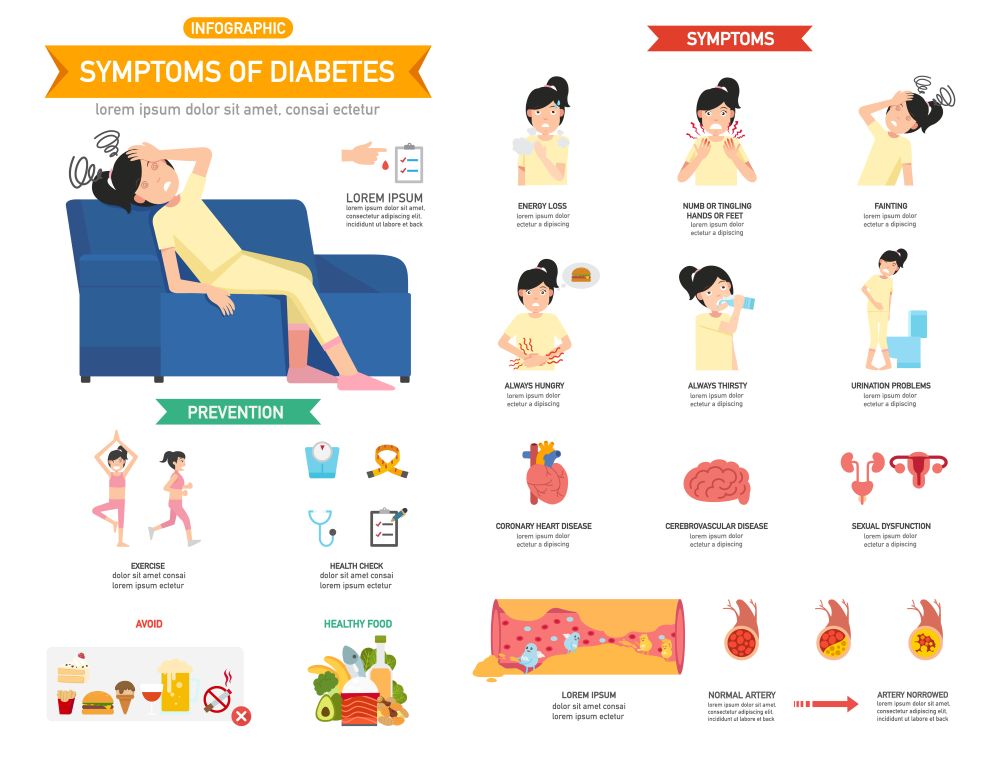
Practical Tips for Diabetes Management:
- Walk After Meals: A simple 10-15 minute walk after your biggest meal of the day can significantly help lower the post-meal blood sugar spike.
- Learn Basic Carb Counting: You don’t need to be perfect, but understanding which foods contain carbs and practicing portion control is a superpower.
- Always Carry a “Low” Snack: Always have a source of fast-acting sugar (like glucose tablets or a small juice box) with you in case your blood sugar drops too low.
- Keep a Log: In the beginning, jot down your food, activity, and blood sugar readings. You’ll quickly see patterns that help you understand your body better.
- Check Your Feet Daily: Because diabetes can affect circulation and nerves, make it a habit to check your feet for any cuts, blisters, or sores.
In Summary:
Diabetes is a manageable condition centered on controlling blood sugar levels. A balanced approach using the key tools—mindful eating, regular physical activity, blood sugar monitoring, and medication as prescribed—is the foundation for living a long and healthy life.
For More Information:
The undisputed leader in diabetes information, research, and advocacy is the American Diabetes Association (ADA).
About Umedoc Health Blog
At Umedoc, we’re committed to providing updated, accurate, and accessible health information to empower your wellness decisions. For more tips, health updates, and medical guidance, subscribe or bookmark our blog today.

This article reviewed by Dr. Jim Liu, MD.
There’s nothing more important than our good health – that’s our principal capital asset.
#medical #telehealth #umedoc #ecnoglutide #GLP #weight loss #Wegovy #diet