 English
  Español

Sleep and Metabolism: Myths and Facts for Weight Loss
Myth vs Fact: Sleep and Metabolism
Myth: Sleeping less helps you burn more calories.
Fact: Lack of sleep can slow your metabolism and increase appetite, making weight loss harder.
Myth: You only need diet and exercise for weight loss; sleep doesn’t matter.
Fact: Sleep quality affects hormones that control hunger and energy use, influencing weight management.
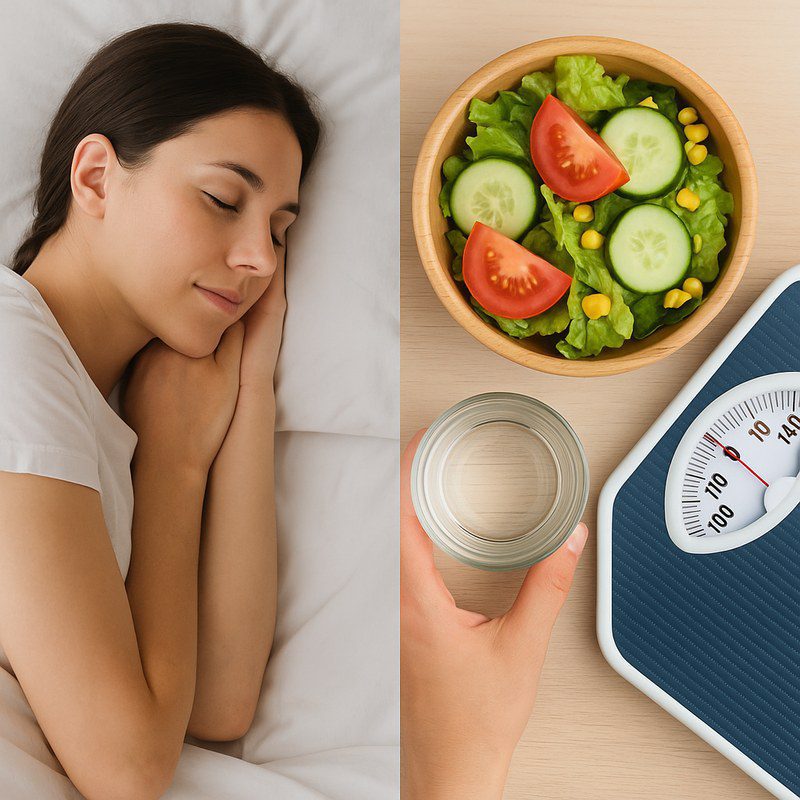
What Does the Evidence Say?
Research shows that adults who sleep less than 7 hours per night often experience hormonal changes. These include higher levels of ghrelin (which stimulates hunger) and lower levels of leptin (which signals fullness). This imbalance can lead to increased calorie intake and cravings for high-fat, sugary foods.
Furthermore, inadequate sleep is linked to reduced insulin sensitivity, which can impair how your body processes glucose. Over time, this may contribute to weight gain and increase the risk of metabolic disorders.
Studies also indicate that poor sleep may reduce motivation for physical activity, indirectly affecting calorie burn and muscle maintenance.
Actionable Steps for Healthy Weight and Sleep
- Prioritize 7–9 hours of quality sleep: Aim for a consistent bedtime and wake time, even on weekends.
- Create a sleep-friendly environment: Keep your bedroom cool, dark, and quiet. Avoid screens 30 minutes before bed.
- Manage stress: Practice relaxation techniques like deep breathing or meditation to improve sleep and reduce cortisol, a hormone linked to fat storage.
- Combine good sleep with balanced diet and exercise: Focus on vegetables, lean proteins, and whole grains. Include moderate exercise most days to boost metabolism.
- Consider medical advice for weight loss aids: Some adults may benefit from GLP-1 receptor agonists under clinician guidance, but these do not replace healthy habits.
When to Consult a Clinician
If you struggle with chronic sleep problems or find weight loss difficult despite healthy lifestyle changes, consult a healthcare provider. Persistent fatigue, sleep apnea symptoms, or unexplained weight changes need professional evaluation.
Disclaimer
This content is informational and not medical advice. Consult a licensed clinician.
References
- Taheri et al., Short Sleep Duration Is Associated with Reduced Leptin, Elevated Ghrelin, and Increased Body Mass Index, PLOS Medicine, 2004
- Sleep Foundation: Sleep and Weight Loss
- Explore more health articles on UMEDOC Blog
Keep it simple. Start with one small step. Choose whole foods more often. Move your body each day. Sleep at a regular time. Drink enough water. Talk with your doctor if you need help.
Keep it simple. Start with one small step. Choose whole foods more often. Move your body each day. Sleep at a regular time. Drink enough water. Talk with your doctor if you need help.
Keep it simple. Start with one small step. Choose whole foods more often. Move your body each day. Sleep at a regular time. Drink enough water. Talk with your doctor if you need help.
About Umedoc Health Blog
At Umedoc, we’re committed to providing updated, accurate, and accessible health information to empower your wellness decisions. For more tips, health updates, and medical guidance, subscribe or bookmark our blog today.
For more tips, health updates, and medical guidance, subscribe or bookmark our blog today.

This article reviewed by Dr. Jim Liu, MD.
There’s nothing more important than our good health – that’s our principal capital asset.
#medical #telehealth #umedoc #GLP1 #weightloss