 English
  Español

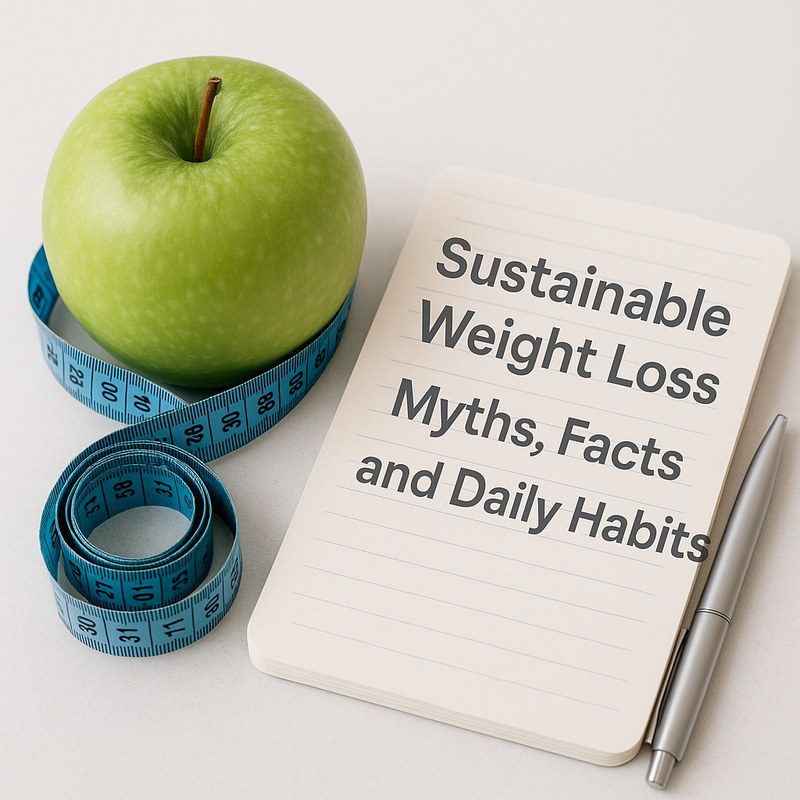
Sustainable Weight Loss: Myths, Facts, and Daily Habits
Myth vs Fact: Understanding Weight Loss Habits
- Myth: Cutting calories drastically is the fastest way to lose weight.
- Fact: Severe calorie restriction can slow metabolism and is hard to maintain long term.
- Myth: Exercise alone guarantees weight loss.
- Fact: Exercise supports weight loss but works best combined with healthy diet and sleep habits.
- Myth: Stress doesn’t affect body weight.
- Fact: Chronic stress raises cortisol, which may lead to fat storage, especially around the abdomen.
What Evidence Says About Sustainable Weight Loss
Research shows that sustainable weight loss depends on balanced daily habits rather than quick fixes. Diet quality, exercise, sleep, and stress management all influence hormones like GLP-1, which helps regulate appetite and blood sugar.
For example, moderate exercise increases GLP-1 release, helping reduce hunger naturally. Adequate sleep (7-9 hours) supports metabolism and hormone balance, while stress reduction lowers cortisol, which otherwise promotes fat accumulation.
Extreme diets or excessive exercise can backfire by disrupting these systems and causing burnout. Instead, gradual habit changes lead to steady, maintainable progress.
Actionable Steps for Daily Sustainable Habits
- Focus on balanced meals: Include vegetables, lean proteins (like fish, tofu), and whole grains. Avoid drastic calorie cuts.
- Exercise regularly: Aim for at least 150 minutes of moderate aerobic activity weekly, plus strength training twice a week.
- Prioritize quality sleep: Create a calm bedtime routine and aim for 7-9 hours of restful sleep each night.
- Manage stress: Practice relaxation techniques like deep breathing, meditation, or gentle yoga daily.
- Stay hydrated: Drink water throughout the day to support metabolism and reduce overeating.
- Consider hormonal balance: Regular habits can encourage natural GLP-1 release, aiding appetite control.
- Track your progress: Use a journal or app to note meals, activity, sleep, and mood for awareness and motivation.
When to Consult a Clinician
If you experience unexplained weight changes, persistent fatigue, or difficulty managing stress, consult a healthcare provider. They can assess for underlying conditions and guide safe weight management tailored to your needs.
Disclaimer
This content is informational and not medical advice. Consult a licensed clinician.
References
- American Heart Association. “Physical Activity and Your Heart.” heart.org
- National Sleep Foundation. “How Sleep Affects Your Weight.” sleepfoundation.org
- U.S. National Library of Medicine. “Role of GLP-1 in Appetite Regulation.” PMC6075637
- Visit UmeDoc Blog for more health insights.
Keep it simple. Start with one small step. Choose whole foods more often. Move your body each day. Sleep at a regular time. Drink enough water. Talk with your doctor if you need help.
Keep it simple. Start with one small step. Choose whole foods more often. Move your body each day. Sleep at a regular time. Drink enough water. Talk with your doctor if you need help.
Keep it simple. Start with one small step. Choose whole foods more often. Move your body each day. Sleep at a regular time. Drink enough water. Talk with your doctor if you need help.
About Umedoc Health Blog
At Umedoc, we’re committed to providing updated, accurate, and accessible health information to empower your wellness decisions. For more tips, health updates, and medical guidance, subscribe or bookmark our blog today.
For more tips, health updates, and medical guidance, subscribe or bookmark our blog today.

This article reviewed by Dr. Jim Liu, MD.
There’s nothing more important than our good health – that’s our principal capital asset.
#medical #telehealth #umedoc #GLP1 #weightloss