English
  Español

The Buzz About GLP-1: Understanding the New Class of Weight-Loss Drugs
You’ve probably seen the headlines or heard friends talking about drugs like Ozempic and Wegovy. These medications have become famous for their dramatic weight loss results, but there’s a lot more to them than meets the eye. So, what’s the real story behind this new class of drugs? Let’s break it down.
What in the World is a GLP-1?
GLP-1 stands for “glucagon-like peptide-1.” It’s a natural hormone our gut produces when we eat. Think of it as your body’s internal messaging system. When you eat, GLP-1 sends out a few key signals:
- To the pancreas: “Hey, food is here! Time to release some insulin to manage the sugar.”
- To the stomach: “Let’s slow down a bit and not empty so quickly.” This helps you feel full longer.
- To the brain: “We’re satisfied, you can stop eating now.”
The drugs you’re hearing about are called GLP-1 receptor agonists. They are basically copycats of our natural GLP-1 hormone, but they are designed to stick around in the body for much longer, amplifying these “I’m full” and “manage the sugar” signals.
What Are They Used For?
Initially, these medications were a game-changer for people with type 2 diabetes. By helping the body regulate blood sugar more effectively, they offered a powerful new tool for managing the condition.
The “side effect” that everyone is now talking about is, of course, weight loss. Because these drugs are so effective at controlling appetite and making you feel full, researchers found they could be used specifically for chronic weight management. This has provided a much-needed medical option for individuals struggling with obesity. Beyond that, emerging research shows they may also have significant benefits for heart health, reducing the risk of heart attack and stroke. ❤️
The Catch: What to Consider
GLP-1s aren’t a magic bullet, and they aren’t for everyone. Like any medication, they can have side effects, with the most common ones being gastrointestinal issues like nausea, vomiting, and diarrhea, especially when first starting.
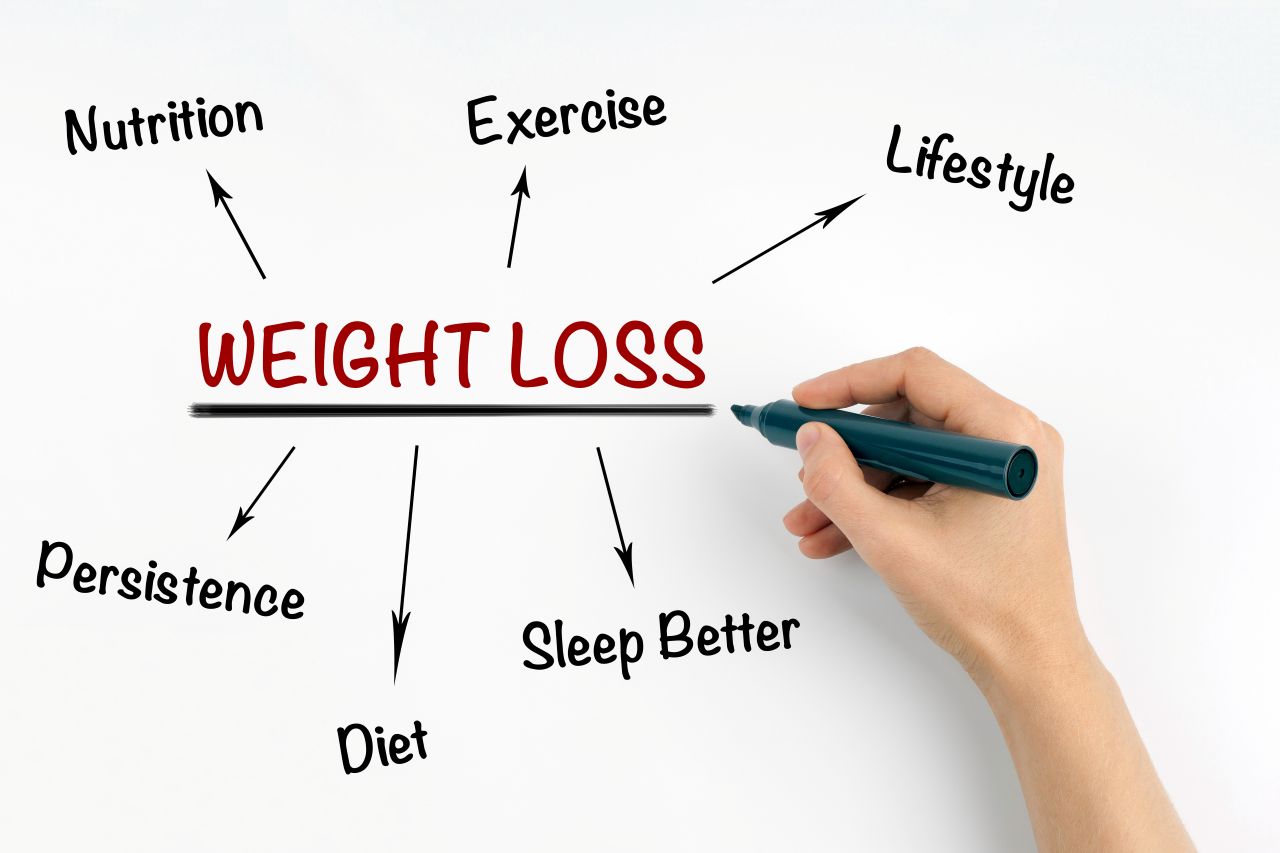
It’s crucial to remember that these are powerful prescription medications that require a doctor’s supervision. They are meant to be used alongside lifestyle changes—like a healthy diet and regular exercise—not as a replacement for them. Plus, they can be expensive and may not be covered by all insurance plans.
The bottom line? GLP-1s are a remarkable medical advancement, offering real hope for managing diabetes and obesity. If you’re curious, the best first step is always to have an open and honest conversation with your healthcare provider.
Practical Tips for Those Considering GLP-1s:
- Talk to Your Doctor: This is non-negotiable. Discuss your full medical history, including any personal or family history of thyroid or pancreatic issues.
- Start Slow with Food: To manage potential nausea, eat smaller, more frequent meals. Avoid greasy, heavy, or overly sweet foods, especially at first.
- Stay Hydrated: Sip water throughout the day, as dehydration can worsen side effects like nausea and constipation.
- Lifestyle is Still King: View this medication as a tool to help you build healthier habits. Focus on nutritious food choices and gentle movement.
- Be Patient: It can take time for your body to adjust to the medication and for you to see results.
In Summary:
GLP-1 receptor agonists are medications that mimic a natural gut hormone to help regulate blood sugar and control appetite. While highly effective for type 2 diabetes and chronic weight management, they are serious prescription drugs that require medical supervision and work best when combined with a healthy lifestyle.
For More Information:
For reliable, in-depth information on medications and health conditions, a great resource is the Mayo Clinic.
About Umedoc Health Blog
At Umedoc, we’re committed to providing updated, accurate, and accessible health information to empower your wellness decisions. For more tips, health updates, and medical guidance, subscribe or bookmark our blog today.

This article reviewed by Dr. Jim Liu, MD.
There’s nothing more important than our good health – that’s our principal capital asset.
#medical #telehealth #umedoc #ecnoglutide #GLP #weight loss #Wegovy #diet