English
  Español

The GLP-1 Buzz: What You Need to Know About the ‘Fullness’ Hormone
Summary
GLP-1 is a natural gut hormone that has become the basis for highly effective new medications used for type 2 diabetes and chronic weight management. It works by telling your brain you’re full, stimulating insulin, and slowing down digestion. While incredibly effective, these powerful drugs are specialty tools that require proper medical oversight and should be combined with long-term diet and exercise changes.
If you’ve been on social media or watched the news lately, you’ve definitely heard of the new class of drugs that help people feel full and lose weight—often referred to simply as GLP-1s. They seem almost too good to be true, but they’re rooted in one of your body’s natural, amazing systems!
It Starts in Your Gut
GLP-1, which stands for Glucagon-Like Peptide-1, is a hormone your small intestine naturally releases when you eat. Think of it as the ultimate “I’m good now” signal. These new medications (like the ones you hear about: semaglutide, tirzepatide) are long-lasting versions that mimic this hormone, making their effects super powerful.
Here’s the magic trick they perform:
The Insulin Pep-Talk: When blood sugar levels are high, GLP-1 gives your pancreas a nudge to release more insulin. This is why it was originally developed to treat type 2 diabetes.—they are mild diuretics but the water in them more than makes up for it).
The Fullness Signal: The biggest impact is on your brain, where GLP-1 tells the appetite center, “Stop eating! We’re full.” This naturally reduces cravings and overall food intake.
The Digestive Brake: It dramatically slows down how fast food leaves your stomach. This keeps you feeling satiated for longer and helps prevent blood sugar spikes after a meal.
A New Tool, Not a Final Answer
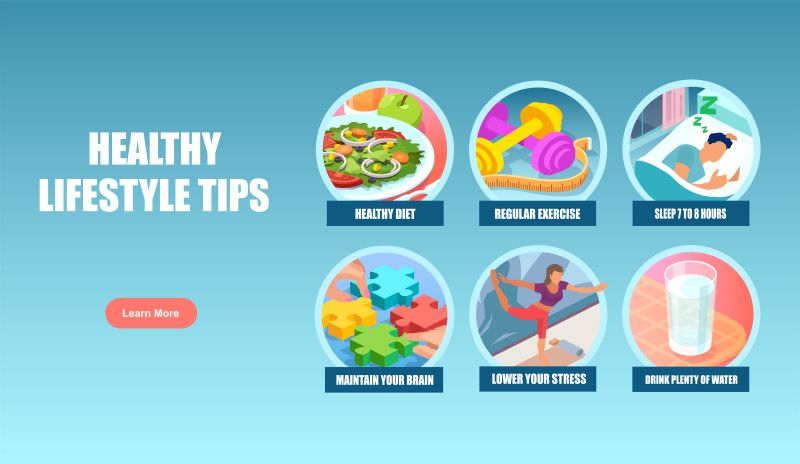
It’s important to remember that GLP-1 medications are specialty, chronic-use drugs. They are not a casual fix, and they’re most successful when they help you build new habits.
- You Still Need Protein and Fiber: Since these drugs can reduce appetite so much that some people forget to eat, it’s crucial to focus on nutrient-dense foods like lean protein and fiber to maintain muscle mass and gut health.
- The Side Effects: The main side effects relate to the digestive slowdown—think nausea, vomiting, or constipation. This is why doctors start with a very low dose and titrate (slowly increase) it over time.
- It’s a Partnership: These medications are a powerful assistant, but they work best when you commit to a long-term plan that includes sustainable eating and exercise.
If you are considering a GLP-1 medication for weight or diabetes management, have an open, honest conversation with your doctor to discuss the benefits, costs, and necessary lifestyle changes.
Sources Cited:
- Ohio State Health & Discovery. (2025). How to activate GLP-1 naturally.
- GoodRx. (n.d.). How to Increase GLP-1 Naturally With Supplements and Foods.
- Wolters Kluwer. (n.d.). GLP-1 medications and weight loss: Helping patients navigate beyond the trends.
About Umedoc Health Blog
At Umedoc, we’re committed to providing updated, accurate, and accessible health information to empower your wellness decisions. For more tips, health updates, and medical guidance, subscribe or bookmark our blog today.

This article reviewed by Dr. Jim Liu, MD.
There’s nothing more important than our good health – that’s our principal capital asset.
#medical #telehealth #umedoc #ecnoglutide #GLP #weight loss #Wegovy #diet