 English
  Español

Nutrition Planning for Weight Loss: A Timeline to Build Hea
Start Today: Simple Changes to Support Weight Loss
Begin by reviewing your daily meals. Focus on nutrient-rich foods like colorful vegetables, lean proteins such as chicken or beans, and whole grains like brown rice or oats. Avoid cutting calories drastically, which can slow metabolism.
Incorporate light activity into your day, such as a 10-minute walk after meals or stretching breaks. Prioritize getting 7 to 9 hours of quality sleep each night, as poor sleep can affect hunger hormones and energy.
Try stress-reducing techniques like deep breathing, meditation, or gentle yoga to help manage cortisol levels, which influence fat storage.
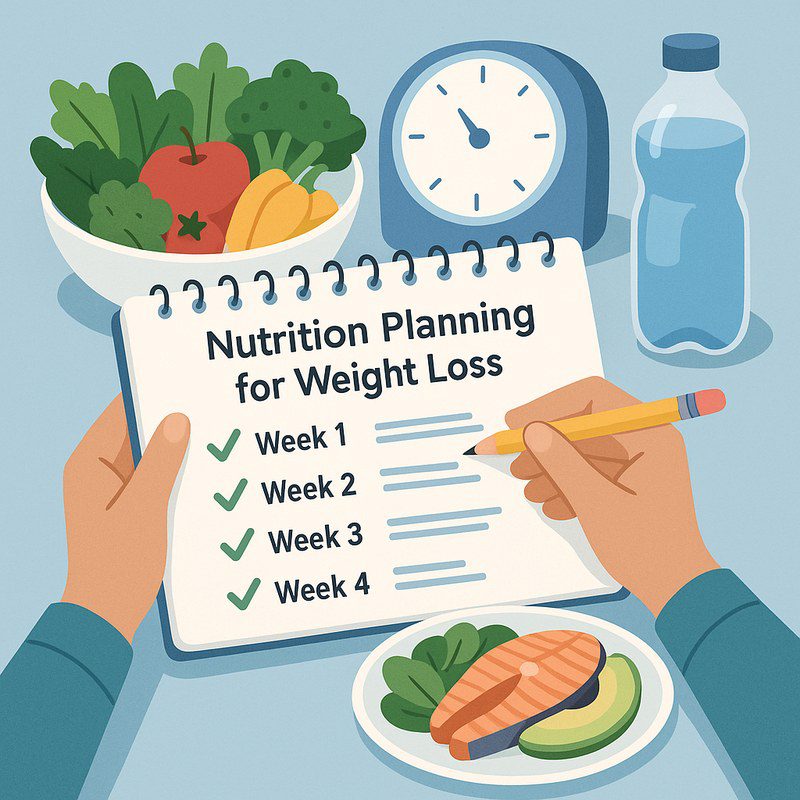
This Week: Build Consistency and Awareness
- Establish a balanced exercise routine: Aim for moderate aerobic activities, such as brisk walking or cycling, combined with two days of strength training to preserve muscle and improve metabolism.
- Track your habits: Use a simple notebook or smartphone app to log meals, exercise, sleep, and stress levels. This helps identify patterns that affect your weight loss.
- Hydrate well: Drinking water throughout the day supports metabolism and may reduce overeating.
- Understand GLP-1: Regular exercise and a balanced diet can encourage the natural release of GLP-1, a hormone that helps regulate appetite and blood sugar.
This Month: Evaluate and Adjust Your Plan
Review your logs to spot trends or challenges. Are there days when stress or poor sleep coincides with overeating? Adjust your plan accordingly.
Consider consulting a registered dietitian or healthcare provider to tailor your nutrition and exercise plan to your needs. Avoid fad diets or extreme restrictions, as sustainable changes yield better long-term results.
When to Consult a Clinician
If you experience unexplained weight changes, persistent fatigue, or health conditions that affect your ability to exercise or eat well, seek advice from a licensed healthcare professional.
Disclaimer
This content is informational and not medical advice. Consult a licensed clinician.
References
- Role of GLP-1 in Appetite Regulation – PMC
- CDC: Losing Weight Safely
- Sleep Foundation: Sleep and Weight Loss
For more tips on healthy living, visit our healthcare blog.
Keep it simple. Start with one small step. Choose whole foods more often. Move your body each day. Sleep at a regular time. Drink enough water. Talk with your doctor if you need help.
Keep it simple. Start with one small step. Choose whole foods more often. Move your body each day. Sleep at a regular time. Drink enough water. Talk with your doctor if you need help.
About Umedoc Health Blog
At Umedoc, we’re committed to providing updated, accurate, and accessible health information to empower your wellness decisions. For more tips, health updates, and medical guidance, subscribe or bookmark our blog today.
For more tips, health updates, and medical guidance, subscribe or bookmark our blog today.

This article reviewed by Dr. Jim Liu, MD.
There’s nothing more important than our good health – that’s our principal capital asset.
#medical #telehealth #umedoc #GLP1 #weightloss