 English
  Español

Breaking Weight Loss Plateaus: A Practical Timeline
Introduction
Weight loss often slows down or stops temporarily, known as a plateau. This is a common experience for many adults working toward healthier weight goals. Understanding how to adjust your daily habits over time can help you move past these plateaus safely and effectively.
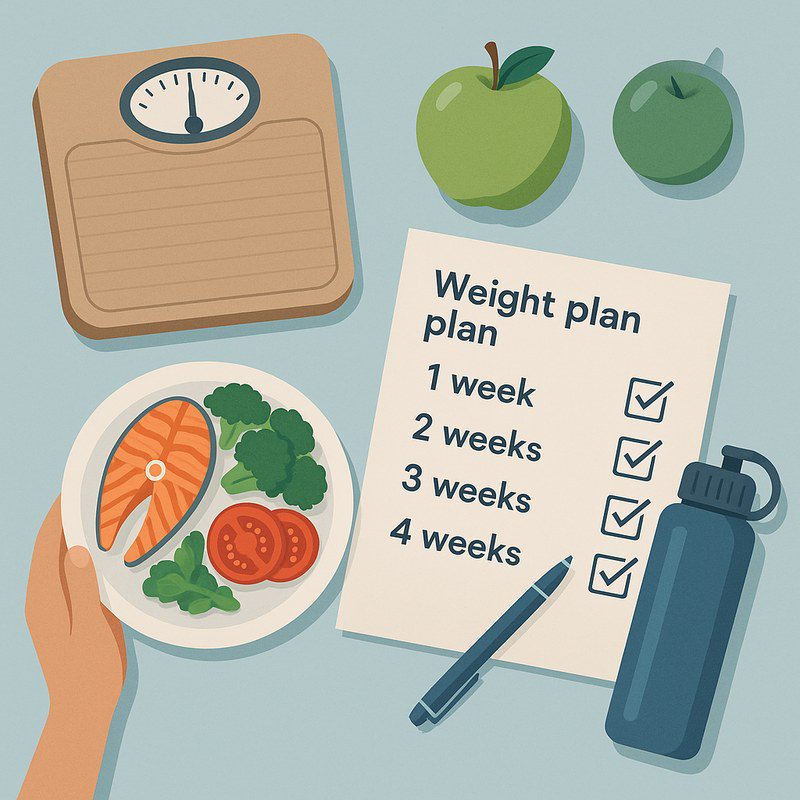
Today: Assess and Adjust Your Habits
- Track Your Habits: Note your current diet, exercise, sleep patterns, and stress levels. Awareness is the first step to change.
- Review Your Diet: Incorporate more vegetables, lean protein, and whole grains. Limit processed foods and added sugars.
- Increase Movement: Add moderate activity such as walking or light cycling for 15-20 minutes.
- Improve Sleep: Aim for 7–8 hours of restful sleep by setting a consistent bedtime.
- Manage Stress: Practice simple relaxation techniques like deep breathing or meditation.
This Week: Build Consistency and Monitor Progress
- Exercise Regularly: Work toward 150 minutes of moderate exercise throughout the week.
- Refine Nutrition: Focus on balanced meals with fiber-rich vegetables and lean proteins. Avoid skipping meals to prevent overeating.
- Track Sleep and Stress: Notice how better rest and lower stress affect your energy and appetite.
- Consider Medical Support: If using GLP-1 medications, continue as prescribed and communicate with your clinician about any concerns.
This Month: Expect Gradual Changes and Adjust as Needed
- Weight Trends: Expect slow, steady changes rather than rapid loss.
- Appetite Awareness: Notice shifts in hunger and fullness cues as habits improve.
- Adapt Routine: Adjust exercise intensity or meal portions if progress stalls.
- Maintain Healthy Sleep and Stress Habits: These support metabolism and appetite regulation over time.
When to Consult a Clinician
If you experience persistent plateaus lasting several months, unexpected weight changes, or symptoms like fatigue or mood shifts, consult a healthcare provider. They can evaluate underlying causes and recommend safe interventions.
Disclaimer
This content is informational and not medical advice. Consult a licensed clinician.
References
- Centers for Disease Control and Prevention: Losing Weight
- National Institute of Diabetes and Digestive and Kidney Diseases: Weight Loss Strategies
- Role of Sleep and Stress in Weight Management (NCBI)
For more on healthy weight management, visit our healthcare blog.
Keep it simple. Start with one small step. Choose whole foods more often. Move your body each day. Sleep at a regular time. Drink enough water. Talk with your doctor if you need help.
Keep it simple. Start with one small step. Choose whole foods more often. Move your body each day. Sleep at a regular time. Drink enough water. Talk with your doctor if you need help.
Keep it simple. Start with one small step. Choose whole foods more often. Move your body each day. Sleep at a regular time. Drink enough water. Talk with your doctor if you need help.
About Umedoc Health Blog
At Umedoc, we’re committed to providing updated, accurate, and accessible health information to empower your wellness decisions. For more tips, health updates, and medical guidance, subscribe or bookmark our blog today.
For more tips, health updates, and medical guidance, subscribe or bookmark our blog today.

This article reviewed by Dr. Jim Liu, MD.
There’s nothing more important than our good health – that’s our principal capital asset.
#medical #telehealth #umedoc #GLP1 #weightloss