 English
 Español


Breaking Through Weight Loss Plateaus with Daily Habits
Understanding Weight Loss Plateaus
Many adults experience a slowdown or halt in weight loss despite continued efforts. This common challenge, known as a weight loss plateau, can feel frustrating and discouraging.
Plateaus happen when your body adapts to your current routine, making further weight loss more difficult. Recognizing the causes and adjusting your habits can help you overcome this hurdle.
Common Causes of Weight Loss Plateaus
- Metabolic adaptation: Your metabolism may slow as your body adjusts to fewer calories.
- Unchanged routines: Doing the same diet and exercise repeatedly can reduce effectiveness.
- Sleep and stress factors: Poor sleep and high stress can disrupt hormones like GLP-1, affecting appetite and fat storage.
- Hidden calories: Small, untracked snacks or drinks may add up and stall progress.
Practical Plan to Restart Weight Loss
- Reassess your diet: Focus on nutrient-dense foods and consider slight calorie adjustments. Avoid drastic cuts that may slow metabolism.
- Vary your exercise: Incorporate both cardio and strength training with varied intensity to challenge your body.
- Prioritize sleep: Aim for 7–9 hours of quality sleep to support hormone balance and recovery.
- Manage stress: Practice relaxation techniques like deep breathing, meditation, or gentle yoga.
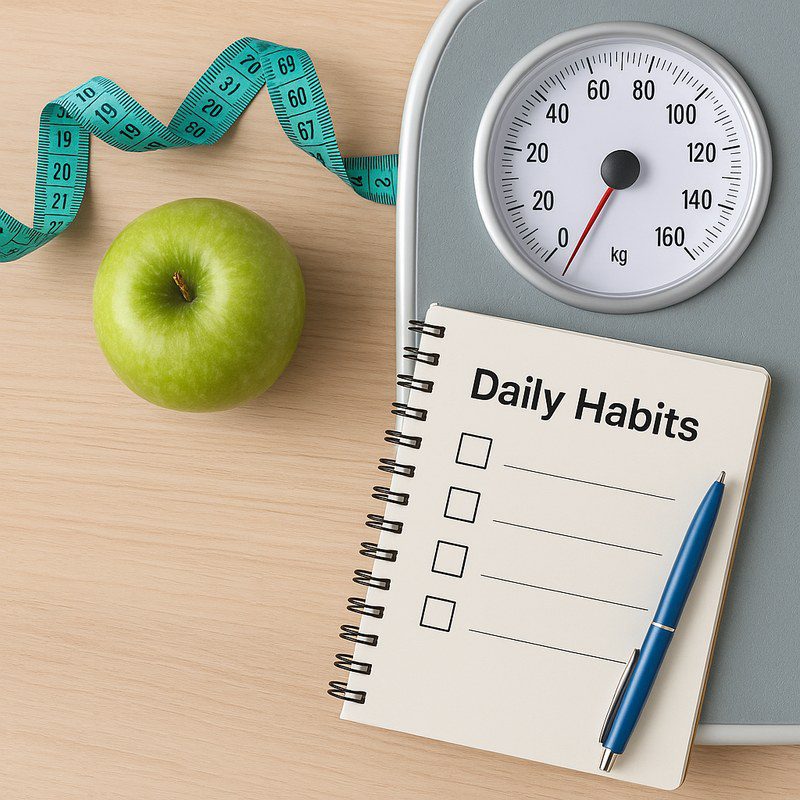
- Track habits: Keep a daily log of meals, activity, sleep, and mood to identify patterns and areas for change.
Weekly Checklist for Plateaus
- Plan meals with balanced macronutrients and portion control.
- Include at least 150 minutes of moderate exercise or 75 minutes of vigorous activity weekly.
- Establish a consistent sleep schedule, going to bed and waking up at the same time daily.
- Practice stress reduction methods for at least 10 minutes each day.
- Review your progress and adjust goals with a healthcare professional if needed.
When to Consult a Clinician
If your weight loss plateau persists despite lifestyle changes, or if you consider medication options such as GLP-1 receptor agonists, consult a licensed healthcare provider. They can assess your individual needs and help develop a safe, effective plan.
Disclaimer
This content is informational and not medical advice. Consult a licensed clinician.
References
- CDC: Losing Weight
- National Institute of Diabetes and Digestive and Kidney Diseases
- Impact of Sleep on Weight and Metabolism, NIH
For more insights on healthy living, visit our healthcare blog.
Keep it simple. Start with one small step. Choose whole foods more often. Move your body each day. Sleep at a regular time. Drink enough water. Talk with your doctor if you need help.
Keep it simple. Start with one small step. Choose whole foods more often. Move your body each day. Sleep at a regular time. Drink enough water. Talk with your doctor if you need help.
About Umedoc Health Blog
At Umedoc, we’re committed to providing updated, accurate, and accessible health information to empower your wellness decisions. For more tips, health updates, and medical guidance, subscribe or bookmark our blog today.
For more tips, health updates, and medical guidance, subscribe or bookmark our blog today.

This article reviewed by Dr. Jim Liu, MD.
There’s nothing more important than our good health – that’s our principal capital asset.
#medical #telehealth #umedoc #GLP1 #weightloss