 English
  Español

Daily Tracking Habits to Support Weight Loss Success
Step-by-Step Daily Tracking Plan for Weight Loss
Tracking daily habits can be a powerful tool for adults aiming to lose weight safely and sustainably. By paying attention to diet, exercise, sleep, and stress, you can make informed adjustments that support your goals. Here is a practical plan to get started:
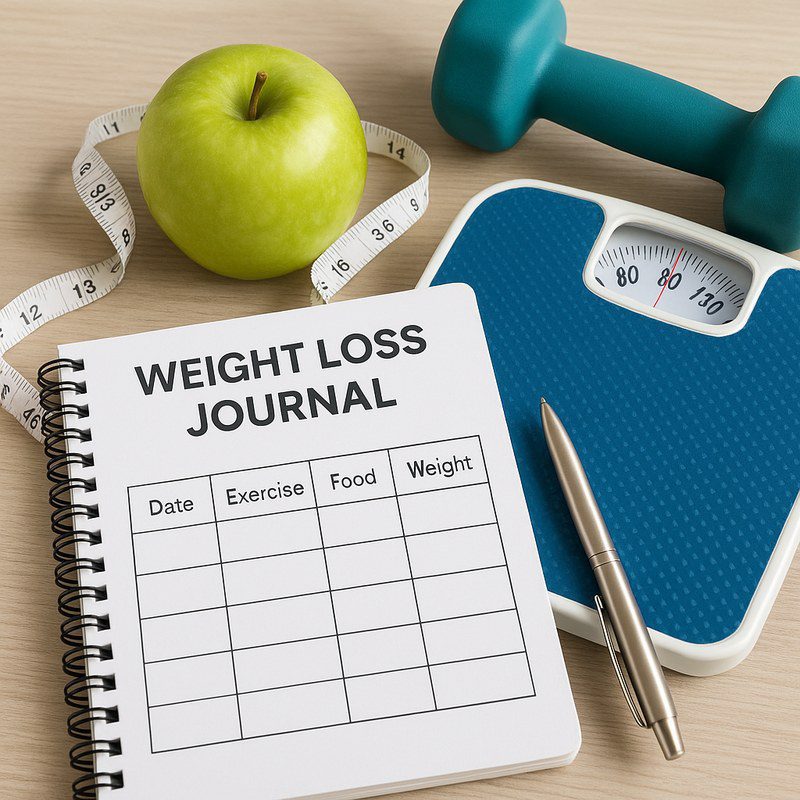
- Record Your Meals: Write down what you eat and drink each day. Use a simple journal or a smartphone app to note portions and times. This helps identify patterns and areas for improvement.
- Log Physical Activity: Track the type, duration, and intensity of your exercise. Aim for at least 150 minutes of moderate activity weekly, including strength exercises twice a week.
- Monitor Sleep Hours and Quality: Note your bedtime, wake time, and how rested you feel. Quality sleep supports metabolism and appetite regulation.
- Track Stress Levels: Rate your stress each day and record any coping methods like meditation or relaxation techniques. Managing stress helps control hormones that affect weight.
Common Mistakes in Daily Habit Tracking
- Inconsistent Logging: Skipping days or only tracking some habits can lead to incomplete insights.
- Focusing Only on Calories: Ignoring nutrient quality and meal timing may limit progress.
- Overlooking Sleep and Stress: These factors significantly influence weight but are often neglected.
- Expecting Immediate Results: Weight loss is gradual; impatience can cause frustration and abandonment of tracking.
Recovery Tips for Tracking Setbacks
- Restart Without Judgment: Missing entries happens. Resume tracking as soon as possible without self-criticism.
- Use Reminders: Set alarms or app notifications to encourage consistent logging.
- Focus on Trends, Not Daily Fluctuations: Look at weekly data to understand patterns and adjust habits.
- Incorporate Support: Share progress with a friend or healthcare provider for motivation.
When to Consult a Clinician
If you experience unexpected weight changes, difficulty managing stress or sleep, or want to discuss medications like GLP-1 receptor agonists for weight loss, consult a licensed healthcare professional. They can help tailor a plan that fits your needs safely.
Disclaimer
This content is informational and not medical advice. Consult a licensed clinician.
References
- CDC: Losing Weight
- National Institute of Diabetes and Digestive and Kidney Diseases
- Sleep Foundation: Weight Loss and Sleep
- UmeDoc Blog
Keep it simple. Start with one small step. Choose whole foods more often. Move your body each day. Sleep at a regular time. Drink enough water. Talk with your doctor if you need help.
Keep it simple. Start with one small step. Choose whole foods more often. Move your body each day. Sleep at a regular time. Drink enough water. Talk with your doctor if you need help.
Keep it simple. Start with one small step. Choose whole foods more often. Move your body each day. Sleep at a regular time. Drink enough water. Talk with your doctor if you need help.
About Umedoc Health Blog
At Umedoc, we’re committed to providing updated, accurate, and accessible health information to empower your wellness decisions. For more tips, health updates, and medical guidance, subscribe or bookmark our blog today.
For more tips, health updates, and medical guidance, subscribe or bookmark our blog today.

This article reviewed by Dr. Jim Liu, MD.
There’s nothing more important than our good health – that’s our principal capital asset.
#medical #telehealth #umedoc #GLP1 #weightloss