 English
 Español


How Better Sleep Supports Your Metabolism and Weight Loss
Step-by-Step Plan to Improve Sleep and Support Metabolism
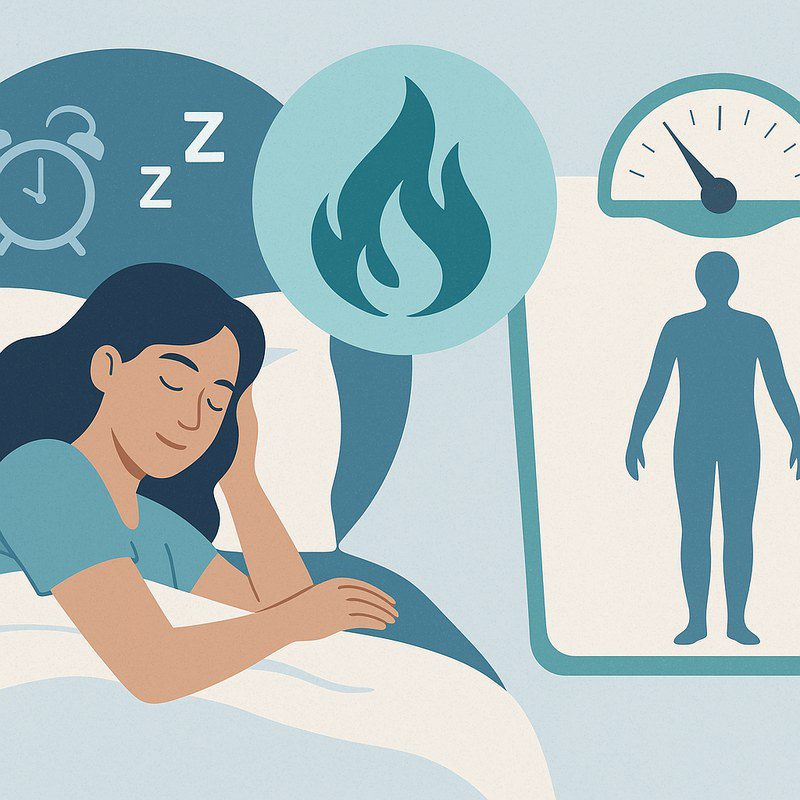
Good sleep is a key part of healthy weight management. It influences hormones that regulate appetite and metabolism, including GLP-1. Here’s a simple plan to improve your sleep habits and help your body burn calories more efficiently:
- Set a Consistent Sleep Schedule: Go to bed and wake up at the same time every day, even on weekends. This helps regulate your body’s internal clock.
- Create a Relaxing Bedtime Routine: Spend 30 minutes winding down with calm activities like reading or gentle stretching. Avoid screens during this time.
- Optimize Your Sleep Environment: Keep your bedroom dark, quiet, and cool. Use blackout curtains and consider white noise if needed.
- Limit Caffeine and Heavy Meals Before Bed: Avoid caffeine after mid-afternoon and large meals at least 2-3 hours before sleep.
- Manage Stress Daily: Practice relaxation techniques such as deep breathing, meditation, or yoga to lower cortisol levels that can disrupt sleep and metabolism.
- Stay Active: Regular exercise supports better sleep quality but avoid vigorous workouts close to bedtime.
Common Mistakes That Undermine Sleep and Weight Loss
- Irregular Sleep Times: Varying your bedtime confuses your body clock, making sleep less restorative.
- Excessive Screen Time at Night: Blue light from devices suppresses melatonin, a hormone essential for sleep.
- Ignoring Stress: High stress raises cortisol, which can increase appetite and slow metabolism.
- Relying on Sleep Aids Without Guidance: Over-the-counter or prescription sleep medications may have side effects and don’t fix underlying habits.
Tips to Recover and Improve Sleep Quality
- Reset Your Routine Gradually: Adjust your sleep and wake times by 15-30 minutes per day until consistent.
- Use Natural Light Exposure: Spend time outside in the morning to reinforce your circadian rhythm.
- Practice Mindfulness: Meditation apps can help reduce stress and improve sleep onset.
- Limit Naps: Keep naps short (20-30 minutes) and avoid late afternoon naps.
- Consult Professionals: If sleep problems persist, speak with a healthcare provider or sleep specialist.
For more insights on lifestyle and weight management, visit our healthcare blog.
When to Consult a Clinician
If you experience ongoing sleep difficulties, excessive daytime fatigue, or suspect a sleep disorder such as sleep apnea, consult a healthcare professional. They can evaluate underlying causes and recommend appropriate treatments.
Disclaimer
This content is informational and not medical advice. Consult a licensed clinician.
References
- Sleep Foundation: How Sleep Affects Your Metabolism
- National Institutes of Health: Sleep and Metabolic Health
- CDC: How Much Sleep Do Adults Need?
Keep it simple. Start with one small step. Choose whole foods more often. Move your body each day. Sleep at a regular time. Drink enough water. Talk with your doctor if you need help.
Keep it simple. Start with one small step. Choose whole foods more often. Move your body each day. Sleep at a regular time. Drink enough water. Talk with your doctor if you need help.
About Umedoc Health Blog
At Umedoc, we’re committed to providing updated, accurate, and accessible health information to empower your wellness decisions. For more tips, health updates, and medical guidance, subscribe or bookmark our blog today.
For more tips, health updates, and medical guidance, subscribe or bookmark our blog today.

This article reviewed by Dr. Jim Liu, MD.
There’s nothing more important than our good health – that’s our principal capital asset.
#medical #telehealth #umedoc #GLP1 #weightloss