 English
  Español

How Sleep Influences Metabolism and Supports Weight Loss
How Does Sleep Affect Metabolism and Weight Loss?
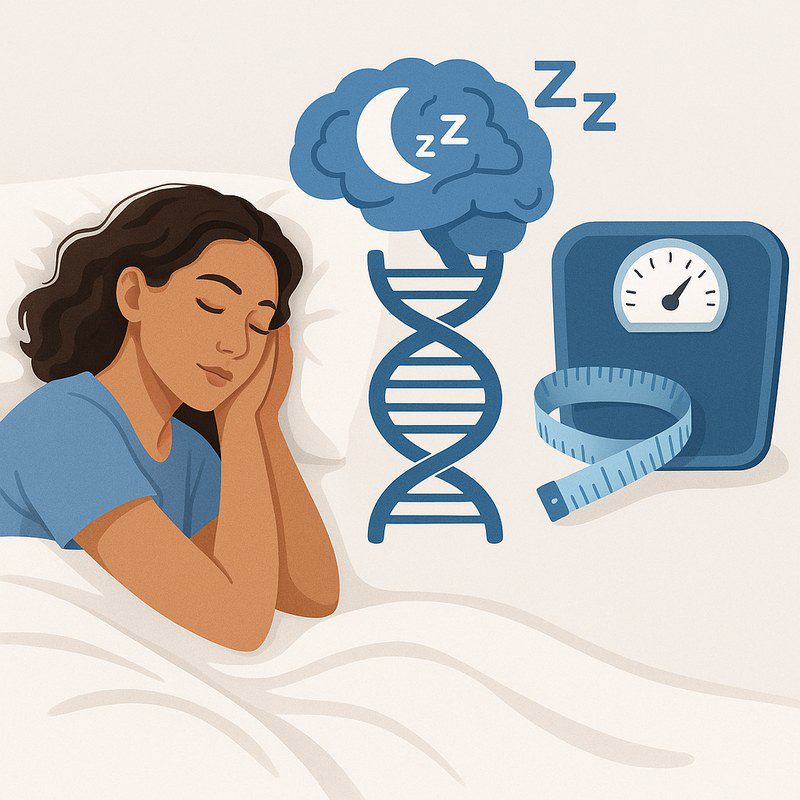
Sleep plays a crucial role in regulating metabolism, the process by which your body converts food into energy. Poor sleep can disrupt hormones that control hunger and fat storage, making weight loss more difficult. For example, lack of sleep may increase ghrelin (hunger hormone) and decrease leptin (satiety hormone), leading to increased appetite.
Can Improving Sleep Help With Weight Loss?
Yes. Getting enough restful sleep supports balanced hormones like GLP-1, which helps regulate appetite and blood sugar. Good sleep also reduces stress hormone cortisol, which is linked to fat accumulation. Together, these effects can assist your diet and exercise efforts for safer, more sustainable weight loss.
What Daily Habits Support Better Sleep and Metabolism?
Simple lifestyle changes can improve your sleep quality and metabolism:
- Keep a consistent sleep schedule, even on weekends.
- Create a calm, dark, and quiet bedroom environment.
- Limit screen time at least 30 minutes before bedtime to reduce blue light exposure.
- Avoid caffeine after mid-afternoon and minimize alcohol before sleep.
- Include regular moderate exercise, but avoid vigorous activity close to bedtime.
- Practice stress management techniques like deep breathing or mindfulness.
At-Home Plan to Support Sleep and Weight Loss
- Set a sleep routine: Go to bed and wake up at the same time daily.
- Optimize your bedroom: Use blackout curtains, reduce noise, and keep the room cool.
- Limit evening screen use: Turn off devices 30 minutes before bed.
- Monitor diet: Avoid late caffeine and heavy meals near bedtime.
- Exercise regularly: Aim for 150 minutes of moderate activity weekly, but finish workouts 2-3 hours before sleep.
- Manage stress: Try relaxation exercises or gentle yoga in the evening.
- Track your progress: Use a sleep diary or app to notice patterns and improvements.
When to Consult a Clinician
If you experience persistent sleep problems, excessive daytime tiredness, or suspect a sleep disorder like sleep apnea, seek evaluation from a healthcare professional. Also consult your clinician before starting any new weight loss medications or supplements, including GLP-1 receptor agonists.
Disclaimer
This content is informational and not medical advice. Consult a licensed clinician.
References
- Sleep and Metabolism: A Review – National Institutes of Health
- Healthy Sleep Tips – Sleep Foundation
- More on Weight Loss and Daily Habits – UmeDoc Blog
Keep it simple. Start with one small step. Choose whole foods more often. Move your body each day. Sleep at a regular time. Drink enough water. Talk with your doctor if you need help.
Keep it simple. Start with one small step. Choose whole foods more often. Move your body each day. Sleep at a regular time. Drink enough water. Talk with your doctor if you need help.
About Umedoc Health Blog
At Umedoc, we’re committed to providing updated, accurate, and accessible health information to empower your wellness decisions. For more tips, health updates, and medical guidance, subscribe or bookmark our blog today.
For more tips, health updates, and medical guidance, subscribe or bookmark our blog today.

This article reviewed by Dr. Jim Liu, MD.
There’s nothing more important than our good health – that’s our principal capital asset.
#medical #telehealth #umedoc #GLP1 #weightloss