 English
  Español

Breaking Through a Weight Loss Plateau: Daily Habits Timeli
Today: Assess and Adjust Your Daily Routine
Hitting a weight loss plateau can feel frustrating, but small changes today can restart progress. Begin by tracking your food intake and physical activity to identify areas for improvement. Focus on balanced meals that include lean protein, fiber-rich vegetables, and healthy fats to naturally support hormones like glucagon-like peptide-1 (GLP-1), which helps regulate appetite.
Consider adding moderate exercise such as brisk walking or light strength training for at least 30 minutes. Prioritize getting 7-9 hours of quality sleep tonight, as restful sleep helps balance hunger hormones and supports metabolism. Try a simple stress-reduction technique like deep breathing before bed.
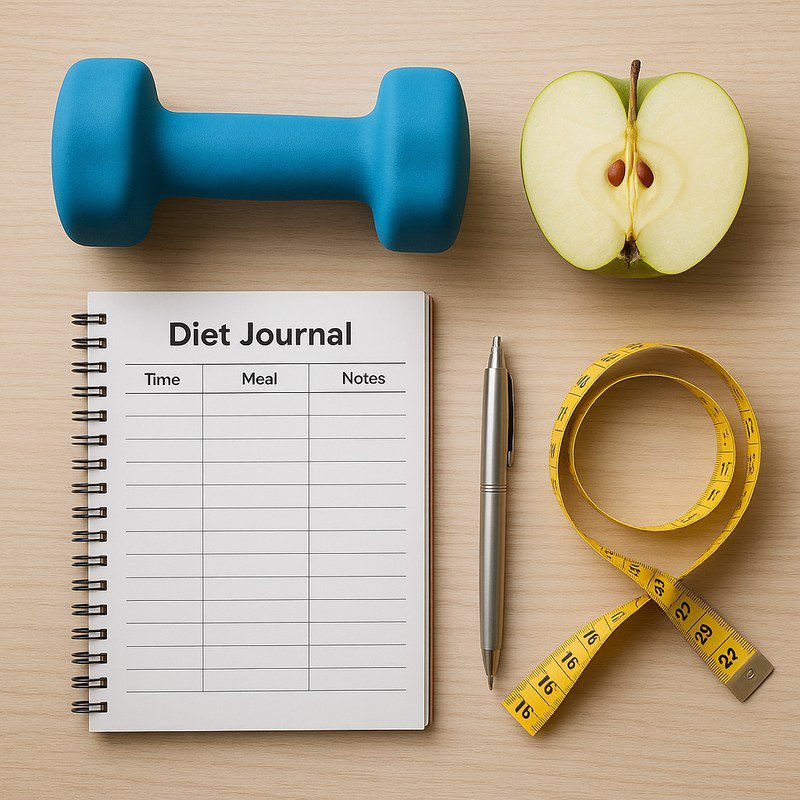
This Week: Build Consistency and Monitor Progress
Over the next seven days, focus on consistency. Plan meals ahead to avoid impulsive choices and incorporate a variety of nutrient-dense foods. Aim to exercise most days, mixing cardio and strength activities to boost metabolic rate.
- Track your sleep patterns and practice relaxation exercises daily.
- Limit highly processed foods and added sugars, which can interfere with GLP-1 and appetite control.
- Manage stress with mindfulness or gentle yoga to prevent cortisol spikes that may increase hunger.
These habits help recalibrate your body’s signals and promote steady weight loss. For guidance on balanced nutrition and exercise, visit UmeDoc’s healthcare blog.
This Month: Expect Gradual, Sustainable Changes
Within 4 weeks, you should notice improved energy levels, better appetite control, and modest weight changes. Remember, overcoming a plateau takes time. Avoid drastic calorie cuts or excessive exercise, which can backfire by slowing metabolism.
Consult resources like the Centers for Disease Control and Prevention (CDC) for safe weight loss recommendations. If you are considering medications such as GLP-1 receptor agonists, discuss options with a healthcare professional to understand benefits and risks.
When to Consult a Clinician
If your plateau lasts more than a few months despite consistent healthy habits, or if you experience unexplained symptoms (fatigue, mood changes, or significant weight fluctuations), seek medical advice. A clinician can evaluate for underlying conditions and tailor a weight management plan.
Disclaimer
This content is informational and not medical advice. Consult a licensed clinician.
References
- Centers for Disease Control and Prevention. Losing Weight. https://www.cdc.gov/healthyweight/losing_weight/index.html
- National Institute of Diabetes and Digestive and Kidney Diseases. Weight Management. https://www.niddk.nih.gov/health-information/weight-management
- U.S. National Library of Medicine. GLP-1 and Appetite Regulation. https://www.ncbi.nlm.nih.gov/pmc/articles/PMC6124915/
Keep it simple. Start with one small step. Choose whole foods more often. Move your body each day. Sleep at a regular time. Drink enough water. Talk with your doctor if you need help.
Keep it simple. Start with one small step. Choose whole foods more often. Move your body each day. Sleep at a regular time. Drink enough water. Talk with your doctor if you need help.
Keep it simple. Start with one small step. Choose whole foods more often. Move your body each day. Sleep at a regular time. Drink enough water. Talk with your doctor if you need help.
About Umedoc Health Blog
At Umedoc, we’re committed to providing updated, accurate, and accessible health information to empower your wellness decisions. For more tips, health updates, and medical guidance, subscribe or bookmark our blog today.
For more tips, health updates, and medical guidance, subscribe or bookmark our blog today.

This article reviewed by Dr. Jim Liu, MD.
There’s nothing more important than our good health – that’s our principal capital asset.
#medical #telehealth #umedoc #GLP1 #weightloss