 English
  Español

How Consistent Exercise Supports Weight Loss and Healthy Ha
Why is exercise consistency important for weight loss?
Regular exercise helps your body burn calories and build muscle, which supports a healthy metabolism. Consistency means making physical activity a daily habit, which improves endurance and helps control appetite over time.
Can exercise alone lead to lasting weight loss?
Exercise is a key part of weight loss but works best alongside a balanced diet, good sleep, and stress management. Relying on exercise alone without addressing other habits may limit results.
How do diet, sleep, and stress influence exercise effectiveness?
A nutritious diet fuels your workouts and helps regulate hunger hormones like GLP-1. Quality sleep supports recovery and hormone balance, while managing stress lowers cortisol, a hormone that can increase fat storage.
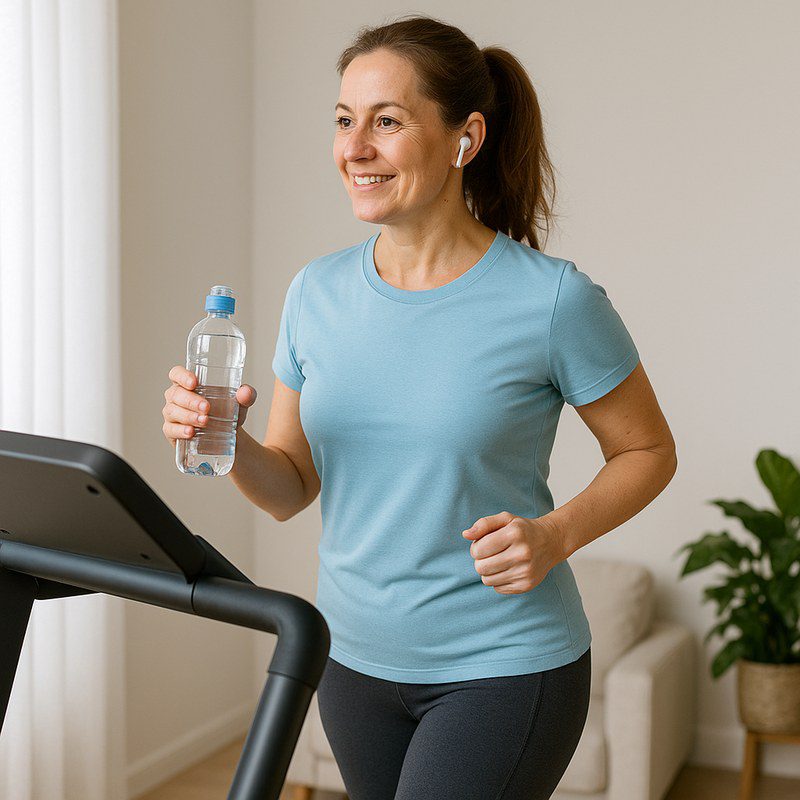
What is a safe and practical at-home exercise plan?
- Frequency: Aim for 30 minutes of moderate activity at least 5 days a week.
- Type: Mix aerobic exercises like brisk walking or dancing with strength training using body weight or resistance bands.
- Progression: Gradually increase intensity or duration to avoid injury and build stamina.
- Consistency: Schedule workouts at the same time daily to form a habit.
How can I combine daily habits to enhance weight loss?
- Diet: Focus on whole foods rich in fiber and protein to stay full longer.
- Sleep: Prioritize 7–9 hours nightly to help regulate appetite hormones.
- Stress: Use techniques like meditation or deep breathing to lower cortisol.
- Exercise: Stay active consistently, even with light movement on rest days.
When to consult a clinician
If you experience unexplained weight changes, difficulty sticking to exercise due to pain or health issues, or if you are considering medications like GLP-1 receptor agonists for weight loss, consult a healthcare professional. Personalized advice ensures safety and effectiveness.
Disclaimer
This content is informational and not medical advice. Consult a licensed clinician.
References
- Centers for Disease Control and Prevention: Physical Activity and Health
- National Institute of Diabetes and Digestive and Kidney Diseases: Health Risks of Overweight and Obesity
- JAMA Internal Medicine: Effects of Exercise on Appetite Hormones
For more health tips and updates, visit our healthcare blog.
Keep it simple. Start with one small step. Choose whole foods more often. Move your body each day. Sleep at a regular time. Drink enough water. Talk with your doctor if you need help.
Keep it simple. Start with one small step. Choose whole foods more often. Move your body each day. Sleep at a regular time. Drink enough water. Talk with your doctor if you need help.
Keep it simple. Start with one small step. Choose whole foods more often. Move your body each day. Sleep at a regular time. Drink enough water. Talk with your doctor if you need help.
Keep it simple. Start with one small step. Choose whole foods more often. Move your body each day. Sleep at a regular time. Drink enough water. Talk with your doctor if you need help.
About Umedoc Health Blog
At Umedoc, we’re committed to providing updated, accurate, and accessible health information to empower your wellness decisions. For more tips, health updates, and medical guidance, subscribe or bookmark our blog today.
For more tips, health updates, and medical guidance, subscribe or bookmark our blog today.

This article reviewed by Dr. Jim Liu, MD.
There’s nothing more important than our good health – that’s our principal capital asset.
#medical #telehealth #umedoc #GLP1 #weightloss