 English
  Español

How Sleep Influences Metabolism and Supports Weight Loss
Understanding the Weight Loss Challenge
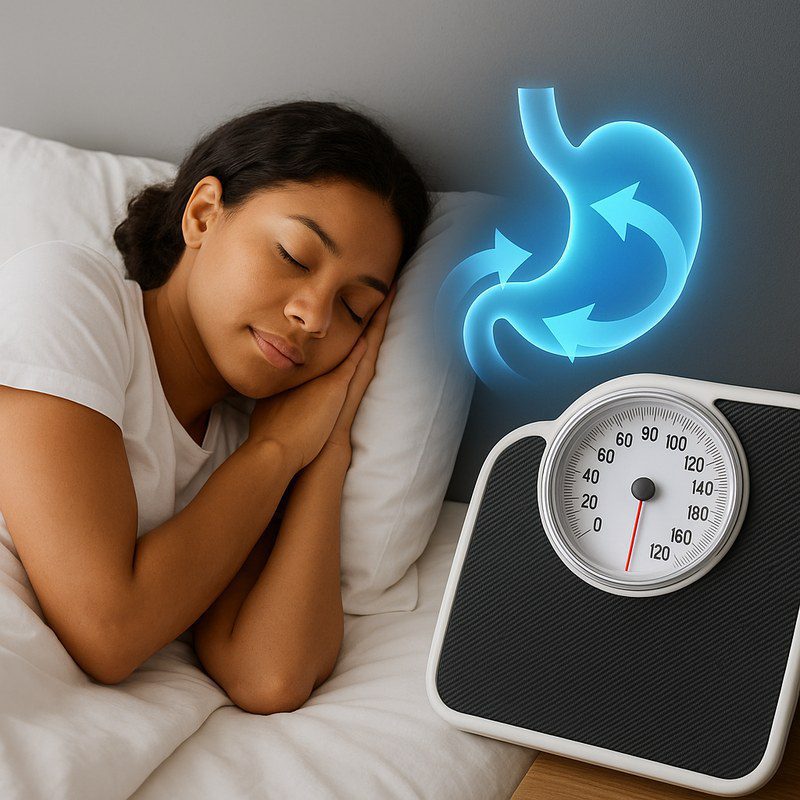
Many adults struggle with weight loss despite following diets and exercise routines. One often overlooked factor is sleep. Poor sleep can disrupt metabolism and hormone balance, making it harder to lose weight. Understanding how sleep affects your body can help you adopt habits that support your weight loss goals.
What Causes Sleep to Affect Metabolism?
- Hormonal Changes: Lack of sleep can increase ghrelin (hunger hormone) and decrease leptin (satiety hormone), leading to increased appetite.
- Insulin Sensitivity: Poor sleep reduces insulin sensitivity, which can impair how your body manages blood sugar and fat storage.
- Stress Hormones: Sleep deprivation raises cortisol, a stress hormone that encourages fat storage, especially around the abdomen.
- Reduced Energy: Feeling tired often lowers motivation for exercise and increases cravings for high-calorie foods.
A Practical Plan to Support Weight Loss Through Better Sleep
- Maintain a consistent sleep schedule: Go to bed and wake at the same times daily to regulate your internal clock.
- Create a sleep-friendly environment: Keep your bedroom cool, dark, and quiet. Consider blackout curtains or white noise if needed.
- Limit screen time before bed: Avoid phones, tablets, and TVs for at least an hour before sleeping to reduce blue light exposure.
- Watch caffeine intake: Avoid caffeine after early afternoon to prevent sleep disruption.
- Balance your diet: Focus on whole foods, lean proteins, and fiber. Avoid large meals late at night.
- Stay active: Aim for 150 minutes of moderate exercise weekly; combine cardio and strength training.
- Manage stress: Practice relaxation techniques like meditation or deep breathing to lower cortisol.
Weekly Checklist to Enhance Sleep and Metabolism
- Set consistent bed and wake times every day.
- Prepare your bedroom for restful sleep (dark, cool, quiet).
- Limit screen use 1 hour before bedtime.
- Avoid caffeine after 2 PM.
- Eat balanced meals; avoid heavy dinners late.
- Exercise at least 3–5 times per week.
- Practice a daily stress-reduction activity.
- Track your sleep quality and duration using a journal or app.
When to Consult a Clinician
If you have persistent sleep difficulties, unexplained weight changes, or suspect hormone imbalances, consult a healthcare provider. They can evaluate for sleep disorders or metabolic conditions and advise on treatment options.
Disclaimer
This content is informational and not medical advice. Consult a licensed clinician.
References
- Sleep Foundation: How Sleep Affects Your Metabolism
- Impact of Sleep Deprivation on Metabolic Health – NCBI
- UmeDoc Blog
Keep it simple. Start with one small step. Choose whole foods more often. Move your body each day. Sleep at a regular time. Drink enough water. Talk with your doctor if you need help.
Keep it simple. Start with one small step. Choose whole foods more often. Move your body each day. Sleep at a regular time. Drink enough water. Talk with your doctor if you need help.
Keep it simple. Start with one small step. Choose whole foods more often. Move your body each day. Sleep at a regular time. Drink enough water. Talk with your doctor if you need help.
About Umedoc Health Blog
At Umedoc, we’re committed to providing updated, accurate, and accessible health information to empower your wellness decisions. For more tips, health updates, and medical guidance, subscribe or bookmark our blog today.
For more tips, health updates, and medical guidance, subscribe or bookmark our blog today.

This article reviewed by Dr. Jim Liu, MD.
There’s nothing more important than our good health – that’s our principal capital asset.
#medical #telehealth #umedoc #GLP1 #weightloss