English
  Español

Decoding Your Skin: A Practical Guide to Managing Rashes
A skin rash, or dermatitis, is a general term for any noticeable change in the skin’s texture, color, or appearance. Rashes can be itchy, painful, bumpy, scaly, or smooth, and they are one of the most common reasons people visit a doctor. Their causes are incredibly varied and can range from something simple to a sign of a more complex internal condition.
Common causes include:
- Contact Dermatitis: An allergic reaction to something your skin touched, like poison ivy, nickel in jewelry, or chemicals in soaps and cosmetics.
- Infections: Fungal (ringworm, athlete’s foot), viral (shingles, measles), or bacterial (impetigo) infections can all cause distinct rashes.
- Autoimmune Conditions: Chronic conditions like eczema (atopic dermatitis) and psoriasis occur when the body’s own immune system mistakenly attacks healthy skin cells.
- Environmental Factors: Heat rash in hot, humid weather or hives from an allergic reaction to food or medication are common examples.
While most rashes are not dangerous, some can signal a medical emergency. Seek immediate care if a rash is accompanied by fever, difficulty breathing, spreads rapidly all over the body, or starts to blister painfully.
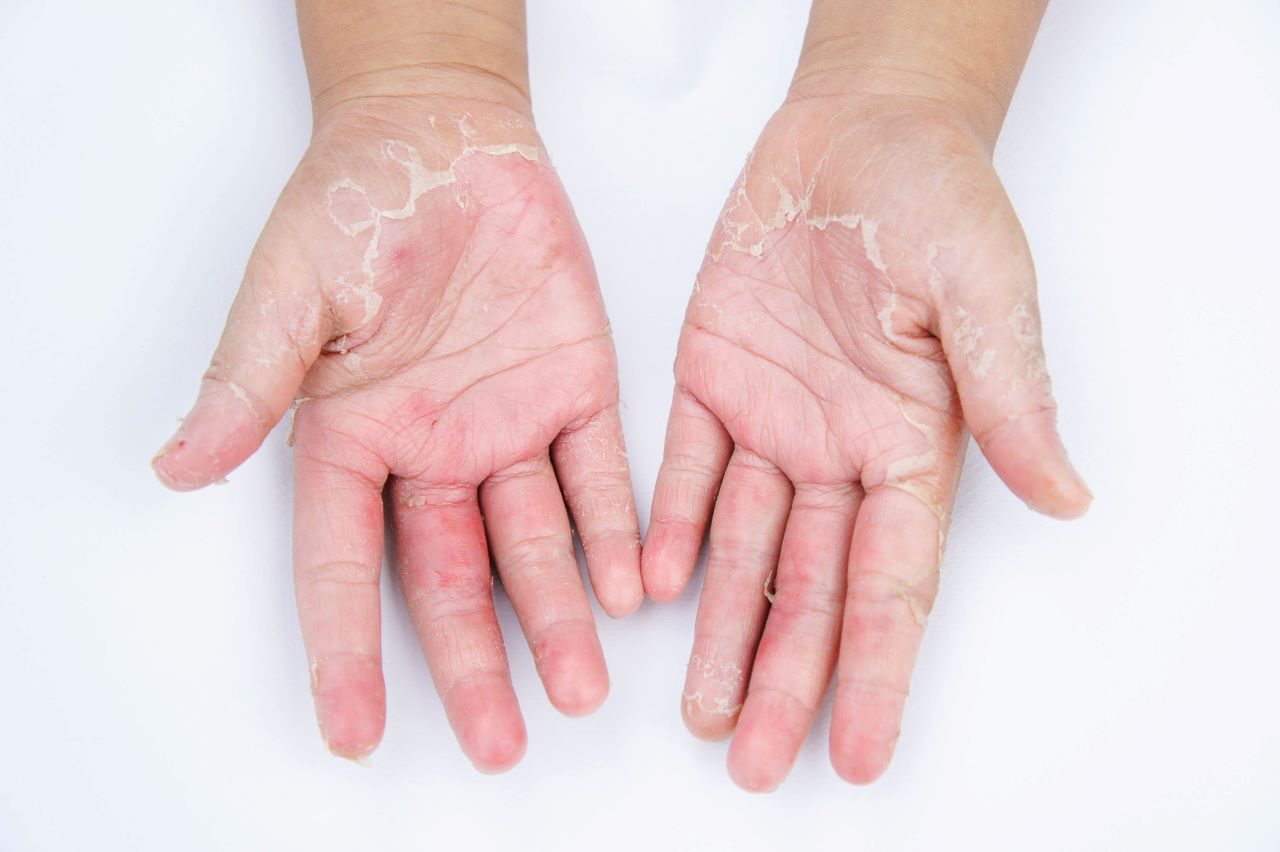
Practical Healthcare Plan: Responding to a Skin Rash
- Identify and Eliminate the Trigger (The “Detective Work”): If you suspect an allergy, think about anything new you’ve been exposed to in the last 24-48 hours: new laundry detergent, soap, lotion, perfume, clothing, or food? Gently wash the affected area with mild soap and water to remove any remaining irritant. Avoid scratching, as this can break the skin and lead to infection.
- Adopt a Gentle Skincare Routine: Treat your skin kindly. Use lukewarm (not hot) water for bathing. Switch to hypoallergenic, fragrance-free cleansers, moisturizers, and laundry products. After washing, gently pat your skin dry with a soft towel instead of rubbing it.
- Soothe and Protect the Skin Barrier: For general itchiness and mild inflammation, a cool compress can provide immediate relief. Applying a thick, bland emollient like Vaseline or a cream like CeraVe or Cetaphil can help restore the skin’s protective barrier. For localized, itchy spots (like an insect bite), an over-the-counter 1% hydrocortisone cream can be effective when used for a few days.
- Document the Rash: Take clear, well-lit photos of the rash each day. This helps you track its progression—is it spreading, changing color, or improving? This visual record is extremely helpful for a doctor if you need to seek medical advice.
- Know When to Consult a Professional: Do not self-diagnose for more than a couple of days if the rash isn’t improving. Schedule an appointment with your primary care doctor or a dermatologist if the rash is painful, shows signs of infection (pus, warmth, red streaks), covers a large area of your body, or is not responding to basic home care. They can provide an accurate diagnosis and prescribe targeted treatments like stronger steroid creams, antifungals, or antibiotics.
A First-Aid Guide for Managing a New Skin Rash
A new skin rash can be alarming. This guide provides a step-by-step plan for initial care at home and helps you identify when it’s necessary to see a doctor. Most rashes are harmless, but proper care is key to a quick recovery. Download Here!
Sources:
Johns Hopkins Medicine. “Eczema.”
American Academy of Dermatology (AAD). “Rashes: Overview.”
Mayo Clinic. “Dermatitis.”
About Umedoc Health Blog
At Umedoc, we’re committed to providing updated, accurate, and accessible health information to empower your wellness decisions. For more tips, health updates, and medical guidance, subscribe or bookmark our blog today.

This article reviewed by Dr. Jim Liu, MD.
There’s nothing more important than our good health – that’s our principal capital asset.
#medical #telehealth #umedoc #ecnoglutide #GLP #weight loss #Wegovy #diet