 English
  Español

GLP-1 and Weight Loss: Myths, Facts, and Daily Habits
Understanding GLP-1 and Weight Loss: Myths vs. Facts
Weight loss is often surrounded by myths, especially when it comes to newer treatments like GLP-1 receptor agonists. Let’s clear up some common misunderstandings.
- Myth: GLP-1 medications are a quick and effortless way to lose weight.
- Fact: These medications can aid weight loss but work best with healthy daily habits like diet, exercise, sleep, and stress management.
- Myth: You don’t need to change your lifestyle if taking GLP-1 drugs.
- Fact: Lifestyle changes remain essential for long-term success and health benefits.
- Myth: GLP-1 drugs cause extreme weight loss without side effects.
- Fact: Weight loss is usually moderate and side effects can occur; medical supervision is important.
What Does the Evidence Say?
GLP-1 receptor agonists mimic hormones that regulate appetite and digestion. Clinical studies show they can help reduce hunger and support moderate weight loss in adults with obesity or type 2 diabetes. However, these drugs are not magic pills. Weight loss results improve when combined with balanced eating, regular physical activity, quality sleep, and stress reduction.
Research also highlights:
- Diet: Consuming nutrient-rich foods like vegetables, lean proteins, and whole grains helps maintain fullness and energy.
- Exercise: Moderate activity boosts metabolism and supports muscle health.
- Sleep: Poor sleep can increase cravings and reduce fat metabolism.
- Stress: Chronic stress raises cortisol, which may promote fat storage.
For more insights on weight management, visit our healthcare blog.
Actionable Steps to Support Weight Loss Safely
- Consult Your Healthcare Provider: Discuss whether GLP-1 medications are appropriate for you and understand potential side effects.
- Focus on Balanced Meals: Include vegetables, lean proteins, whole grains, and healthy fats in your daily diet.
- Stay Active: Aim for at least 150 minutes of moderate exercise weekly, such as brisk walking or cycling.
- Prioritize Sleep: Strive for 7–9 hours of restful sleep each night by maintaining a regular schedule.
- Manage Stress: Try relaxation methods like deep breathing, meditation, or gentle yoga to lower cortisol levels.
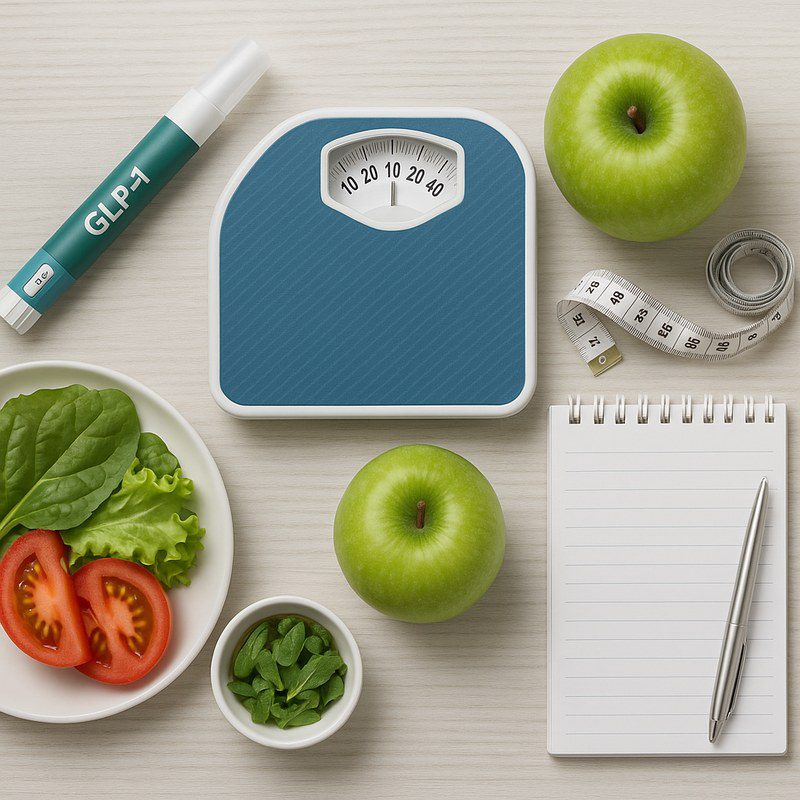
- Monitor Progress: Keep a simple journal or use an app to track your habits and notice patterns.
When to Consult a Clinician
Seek medical advice if you experience unexplained weight changes, persistent fatigue, or if you are considering GLP-1 medications. Always use these medications under professional supervision.
Disclaimer
This content is informational and not medical advice. Consult a licensed clinician.
References
- Wilding JPH, et al. “Once-Weekly Semaglutide in Adults with Overweight or Obesity.” N Engl J Med. 2021;384(11):989-1002. NEJM
- Centers for Disease Control and Prevention. “Healthy Weight.” cdc.gov
- National Sleep Foundation. “How Sleep Affects Your Weight.” sleepfoundation.org
Keep it simple. Start with one small step. Choose whole foods more often. Move your body each day. Sleep at a regular time. Drink enough water. Talk with your doctor if you need help.
Keep it simple. Start with one small step. Choose whole foods more often. Move your body each day. Sleep at a regular time. Drink enough water. Talk with your doctor if you need help.
About Umedoc Health Blog
At Umedoc, we’re committed to providing updated, accurate, and accessible health information to empower your wellness decisions. For more tips, health updates, and medical guidance, subscribe or bookmark our blog today.
For more tips, health updates, and medical guidance, subscribe or bookmark our blog today.

This article reviewed by Dr. Jim Liu, MD.
There’s nothing more important than our good health – that’s our principal capital asset.
#medical #telehealth #umedoc #GLP1 #weightloss