 English
  Español

Managing Stress to Support Appetite and Weight Loss
Understanding the Link Between Stress and Appetite
Many adults find that stress affects their eating habits and weight. When we feel stressed, our bodies release hormones that can increase hunger or cravings for unhealthy foods. This can make weight loss more challenging, even when diet and exercise efforts are consistent.
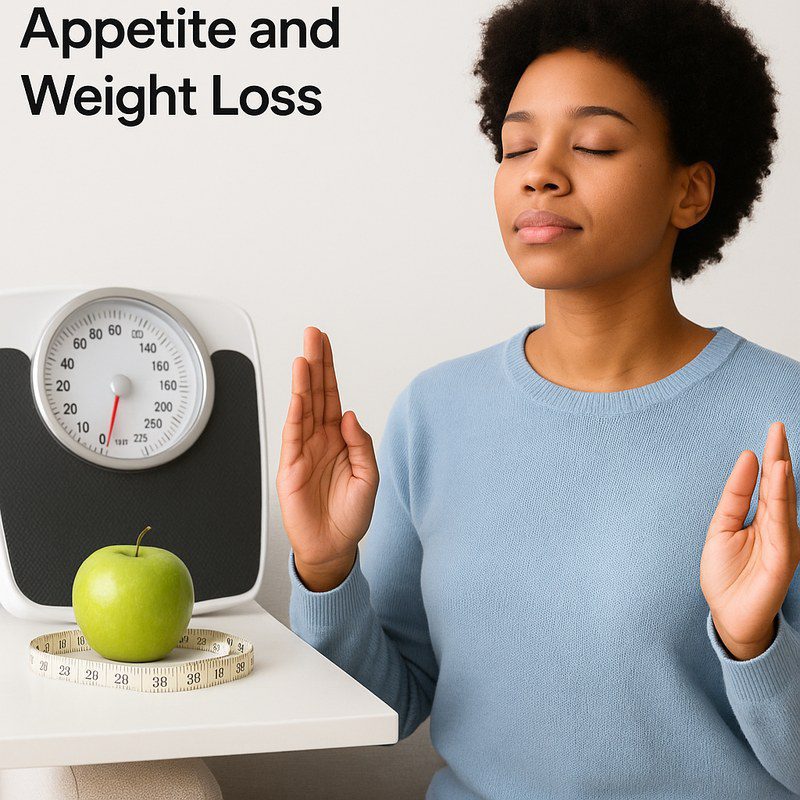
Why Does Stress Affect Appetite and Weight?
- Hormonal Changes: Stress triggers cortisol release, which may increase appetite and fat storage.
- Disrupted Hormones Like GLP-1: Stress can interfere with hormones that signal fullness, such as GLP-1, leading to overeating.
- Sleep Impact: Stress often reduces sleep quality, which further disrupts hunger hormones and metabolism.
- Emotional Eating: Some people eat more high-calorie comfort foods when stressed.
Practical Daily Plan to Manage Stress and Support Weight Loss
- Mindful Eating: Pay attention to hunger cues and avoid eating out of stress or boredom.
- Balanced Diet: Focus on whole foods like vegetables, lean proteins, and whole grains to support stable blood sugar.
- Regular Exercise: Aim for at least 150 minutes of moderate exercise weekly; activities like walking or yoga can reduce stress.
- Sleep Hygiene: Prioritize 7–9 hours of good-quality sleep with consistent bedtimes and a calm environment.
- Stress Reduction Techniques: Practice deep breathing, meditation, or gentle stretching daily to lower stress hormones.
Weekly Checklist for Stress and Appetite Management
- Track your mood and hunger patterns to identify stress-related eating.
- Include at least three sessions of moderate exercise.
- Practice a relaxation technique like meditation or deep breathing at least 5 days.
- Maintain a consistent sleep schedule, aiming for 7–9 hours nightly.
- Choose meals with balanced nutrients and limit processed snacks.
For more tips on building healthy habits, visit our healthcare blog.
When to Consult a Clinician
If stress or appetite changes significantly affect your daily life or weight management efforts, consider speaking with a healthcare provider. They can help assess for underlying conditions and recommend personalized strategies.
Disclaimer
This content is informational and not medical advice. Consult a licensed clinician.
References
- American Psychological Association. (2023). Stress and Eating. apa.org
- National Institute of Diabetes and Digestive and Kidney Diseases. (2022). Hormones and Weight. niddk.nih.gov
- Harvard Health Publishing. (2021). Understanding GLP-1 and Appetite. health.harvard.edu
Keep it simple. Start with one small step. Choose whole foods more often. Move your body each day. Sleep at a regular time. Drink enough water. Talk with your doctor if you need help.
Keep it simple. Start with one small step. Choose whole foods more often. Move your body each day. Sleep at a regular time. Drink enough water. Talk with your doctor if you need help.
About Umedoc Health Blog
At Umedoc, we’re committed to providing updated, accurate, and accessible health information to empower your wellness decisions. For more tips, health updates, and medical guidance, subscribe or bookmark our blog today.
For more tips, health updates, and medical guidance, subscribe or bookmark our blog today.

This article reviewed by Dr. Jim Liu, MD.
There’s nothing more important than our good health – that’s our principal capital asset.
#medical #telehealth #umedoc #GLP1 #weightloss