English
  Español

The Spot Check: Understanding Common Skin Rashes and When to Worry
Summary
A skin rash is just a change in your skin’s color, texture, or feel, and most are caused by simple inflammation or contact with an irritant. Common culprits include contact dermatitis (from nickel or poison ivy) and hives (from an allergy or virus). For everyday rashes, gentle cleansing, moisturizing, and avoiding the trigger is the best first step. See a doctor if the rash spreads quickly, is painful, or comes with a fever.
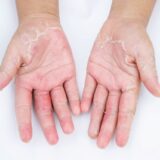
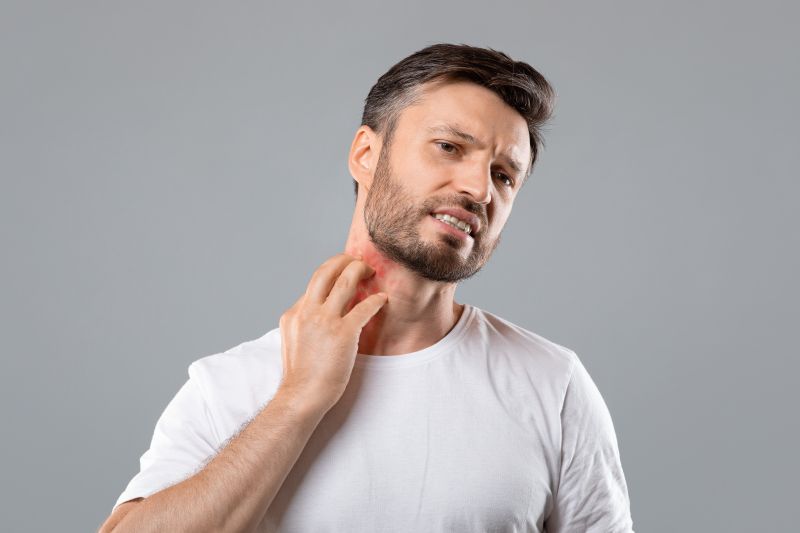
Seeing a strange patch of red, bumpy, or itchy skin is instantly frustrating—and sometimes alarming! But the term “rash” is actually just a catch-all for any change in your skin. The good news is that most rashes are harmless, temporary, and easily managed once you figure out the culprit.
The Two Most Common Rash Culprits
The Fix: Over-the-counter oral antihistamines are usually the go-to treatment.
- Contact Dermatitis (The “Touched It” Rash):
- What it is: This rash happens where your skin touched something that either irritated it (like a harsh soap or cleaning chemical) or caused an allergic reaction (like nickel in jewelry or the oils from poison ivy).
- What it looks like: Redness, itching, and sometimes small bumps or blisters right where the contact occurred.
- The Fix: Identify and avoid the trigger! Use a simple hydrocortisone cream and cool compresses to calm the inflammation.
2. Hives (The “Oh No” Rash):
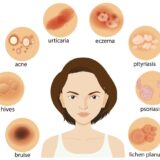
- What it is: Also called urticaria, hives are raised, red/pink, extremely itchy welts that can appear anywhere on the body and often move around. They are usually caused by an allergic reaction (food, medication, insect sting) or sometimes by a viral infection or stress.
- What it looks like: Swollen, pale pink or red welts that often burn or sting. Individual hives usually fade within 24 hours, only to be replaced by new ones.
Home Care 101 for Any Rash
Until you know the cause, treat your skin with baby gloves:
- Go Gentle: Use mild, unscented soap or baby soap. Wash in lukewarm water, not hot, as heat makes irritation and itching worse.
- Don’t Rub: Pat your skin dry instead of rubbing it.
- Moisturize: For dry, scaly rashes (like eczema), use an unscented, basic moisturizer to repair the skin barrier.
- Resist the Scratch: Scratching damages the skin barrier and can lead to infection. Try patting or applying a cool compress instead.
When to Call the Doctor (A Simple Rule)
While most rashes are manageable at home, some require a professional look:
- Fever or Pain: If the rash comes with a fever, joint pain, or a stiff neck, seek medical attention immediately.
- Spreading and Tender: If the rash is spreading rapidly, has red streaks, or is very painful/tender, it could be a sign of infection.
- Breathing Issues: If the rash is accompanied by swelling of the lips or throat, or difficulty breathing, this is an emergency (anaphylaxis).
- Persistent: If a rash doesn’t improve after a week of gentle home care.
Sources Cited:
- MedlinePlus. (2025). Skin Rash – Dermatitis.
- Penn Medicine. (n.d.). Rashes.
- ACAAI Public Website. (n.d.). Skin Allergies.
- MedicalNewsToday. (2025). Skin rash: Causes, 71 pictures of symptoms, and treatments.
About Umedoc Health Blog
At Umedoc, we’re committed to providing updated, accurate, and accessible health information to empower your wellness decisions. For more tips, health updates, and medical guidance, subscribe or bookmark our blog today.

This article reviewed by Dr. Jim Liu, MD.
There’s nothing more important than our good health – that’s our principal capital asset.
#medical #telehealth #umedoc #ecnoglutide #GLP #weight loss #Wegovy #diet