 English
  Español

Track Daily Habits for Safe, Steady Weight Loss
Start Today: Simple Daily Tracking
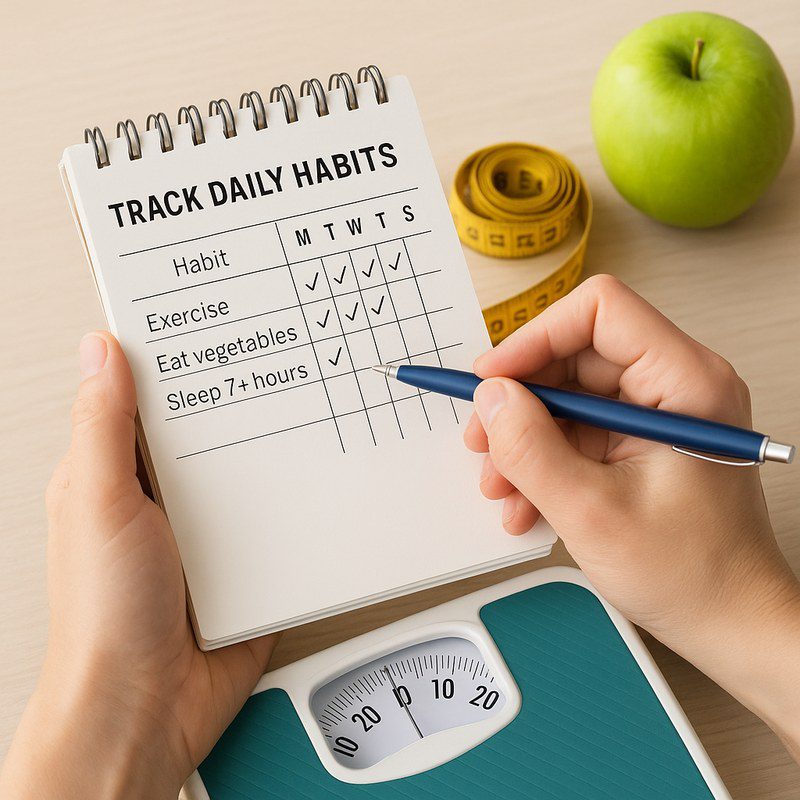
Beginning to track your daily habits can be a straightforward way to support weight loss. Focus on logging what you eat, your physical activity, sleep hours, and stress levels. Use a notebook, app, or calendar—whatever fits your routine best.
Tracking helps you understand patterns. For example, noting when you feel most hungry or tired can guide better choices. It also increases awareness, which is key to making gradual improvements.
This Week: Setting Realistic Goals
- Diet: Aim for balanced meals with vegetables, lean proteins, and whole grains. Avoid drastic calorie cuts.
- Exercise: Start with 10–15 minutes of moderate activity daily, like brisk walking.
- Sleep: Set a consistent bedtime to get 7–9 hours of restful sleep.
- Stress: Try brief relaxation methods such as deep breathing or light stretching.
Track these habits daily to notice small wins and areas to improve. Remember, consistency is more important than perfection.
This Month: Expect Gradual Progress
Over several weeks, steady tracking can lead to modest weight loss. Research shows that sustainable changes in diet and activity combined with good sleep and stress control improve metabolism and appetite regulation.
Medications like GLP-1 receptor agonists may assist some adults but work best alongside lifestyle changes, not as a quick fix. Always discuss such options with your healthcare provider.
When to Consult a Clinician
If you experience unexplained weight changes, persistent fatigue, or difficulty managing stress and sleep, seek medical advice. A healthcare professional can help tailor a safe weight loss plan or evaluate if medications like GLP-1 receptor agonists are appropriate.
Disclaimer
This content is informational and not medical advice. Consult a licensed clinician.
References
- CDC: Losing Weight
- NIDDK: Health Tips for Overweight
- Role of Sleep and Stress in Weight Management
- More on Healthy Habits at UmeDoc Blog
Keep it simple. Start with one small step. Choose whole foods more often. Move your body each day. Sleep at a regular time. Drink enough water. Talk with your doctor if you need help.
About Umedoc Health Blog
At Umedoc, we’re committed to providing updated, accurate, and accessible health information to empower your wellness decisions. For more tips, health updates, and medical guidance, subscribe or bookmark our blog today.
For more tips, health updates, and medical guidance, subscribe or bookmark our blog today.

This article reviewed by Dr. Jim Liu, MD.
There’s nothing more important than our good health – that’s our principal capital asset.
#medical #telehealth #umedoc #GLP1 #weightloss