English
  Español

Fasting for Wellness: A Balanced Look at Intermittent Fasting for Beginners
In recent years, Intermittent Fasting (IF) has moved from a niche health trend to a mainstream wellness strategy. It’s not a diet in the traditional sense, but rather an eating pattern that cycles between periods of eating and fasting. The science behind IF suggests potential benefits beyond just weight loss, including improved metabolic health and insulin sensitivity. However, IF is not for everyone, and approaching it with a clear understanding of its principles and potential risks is crucial for success and safety.
This guide (updated for 2025) will demystify Intermittent Fasting, outline the most common methods, and provide a balanced perspective on who it may benefit and who should proceed with caution.
Understanding the Science Behind Intermittent Fasting
The core idea of IF is to give your body a break from constantly processing food. During the fasting window, several key biological changes occur:
- Hormonal Shifts: Insulin levels drop significantly, which makes stored body fat more accessible for energy. Human growth hormone (HGH) levels can increase, which helps with fat burning and muscle preservation.
- Cellular Repair: Your body enters a process called autophagy, a cellular “housekeeping” function where cells break down and remove old, damaged components. This process is linked to cellular repair and protection against disease.
- Metabolic Flexibility: By shifting your body’s primary fuel source from glucose (sugar) to ketones (from fat), IF can help improve metabolic flexibility, making your body more efficient at using different energy sources.
The primary reason IF often leads to weight loss is that it helps you consume fewer calories overall, as you have a smaller window in which to eat.
Common Intermittent Fasting Methods for Beginners
There is no one-size-fits-all approach to IF. The key is to choose a method that fits your lifestyle and is sustainable.
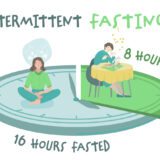
- The 16:8 Method (Time-Restricted Eating): This is the most popular and beginner-friendly method. You fast for 16 hours and eat all your meals within an 8-hour window. This typically involves skipping breakfast and eating from, for example, 12 p.m. to 8 p.m. Most of the fasting period happens while you’re asleep.
- The 5:2 Method: You eat normally for five days of the week and then restrict your calorie intake to 500-600 calories on the other two non-consecutive days.
- Overnight Fasting (12:12): This is a great starting point for beginners. You simply don’t eat for 12 hours overnight (e.g., fasting from 7 p.m. to 7 a.m.). This helps establish a consistent eating pattern and reduces late-night snacking.
Who Should Proceed with Caution (and Why)
While IF can be beneficial, it is not safe or appropriate for everyone. Recent studies, including a 2025 report in Frontiers in Nutrition, have raised important concerns.
Intermittent Fasting is NOT recommended for:
Children and adolescents: During periods of rapid growth, consistent nutrition is critical.
Individuals with a history of eating disorders: The restrictive nature of IF can exacerbate unhealthy eating patterns and thoughts.
Pregnant or breastfeeding women: Adequate and consistent nutrition is vital for both mother and baby.
People with diabetes or blood sugar issues: Extended fasting can lead to dangerous drops in blood sugar (hypoglycemia). It’s essential to consult a doctor.
Individuals with a history of heart disease: New research suggests a link between long-term, time-restricted eating and an increased risk of cardiovascular disease mortality.

Conclusions and Key Takeaways
- Intermittent Fasting is an eating pattern, not a diet, that can lead to weight loss by creating a natural caloric deficit and improving metabolic health.
- The most popular methods are the beginner-friendly 16:8 and the more flexible 5:2.
- IF is not suitable for everyone, particularly individuals with a history of eating disorders, diabetes, or heart conditions.
- Before starting any IF regimen, consult with your healthcare provider or a registered dietitian to ensure it is safe and appropriate for your individual health needs.
Want to try a Intermittent Fasting plan for beginners? You can download the PDF file directly from this link:
Download: Fasting for Wellness – A Balanced Look at Intermittent Fasting for Beginners.pdf
Trusted References
U.S. Food and Drug Administration (FDA). www.fda.gov (For general health and safety information.)
Frontiers in Nutrition. www.frontiersin.org (Refer to the 2025 publication on intermittent fasting and cardiovascular risk.)
Healthline. www.healthline.com (For comprehensive guides and research on intermittent fasting.)
Mayo Clinic. www.mayoclinic.org (Search for “intermittent fasting” information and safety guidelines.)
About Umedoc Health Blog
At Umedoc, we’re committed to providing updated, accurate, and accessible health information to empower your wellness decisions. For more tips, health updates, and medical guidance, subscribe or bookmark our blog today.

This article reviewed by Dr. Jim Liu, MD.
There’s nothing more important than our good health – that’s our principal capital asset.
#medical #telehealth #umedoc #ecnoglutide #GLP #weight loss #Wegovy #diet