English
  Español
Neurobics: Keeping Your Brain Sharp Through Novelty
Summary
We often worry about our physical fitness, but “mental fitness” is just as vital. Your brain is capable of growing and changing throughout your life (neuroplasticity), but only if you challenge it. Doing the same routine every day puts your brain on autopilot. To keep your mind sharp, you need “neurobics”—engaging in novel, complex activities like learning a new skill, dancing, or simply taking a new route to work.
You’ve heard of aerobics for your heart, but have you heard of neurobics for your brain?
For a long time, scientists thought our brains stopped developing in our 20s. We now know that’s wrong. Through a process called neuroplasticity, your brain can form new connections and grow new cells at any age. But there is a catch: it operates on a “use it or lose it” basis.
If you do the exact same things every day—same breakfast, same commute, same tasks—your brain goes into “autopilot mode.” It becomes efficient, but it stops growing. To keep your cognitive edge, you have to embrace novelty.
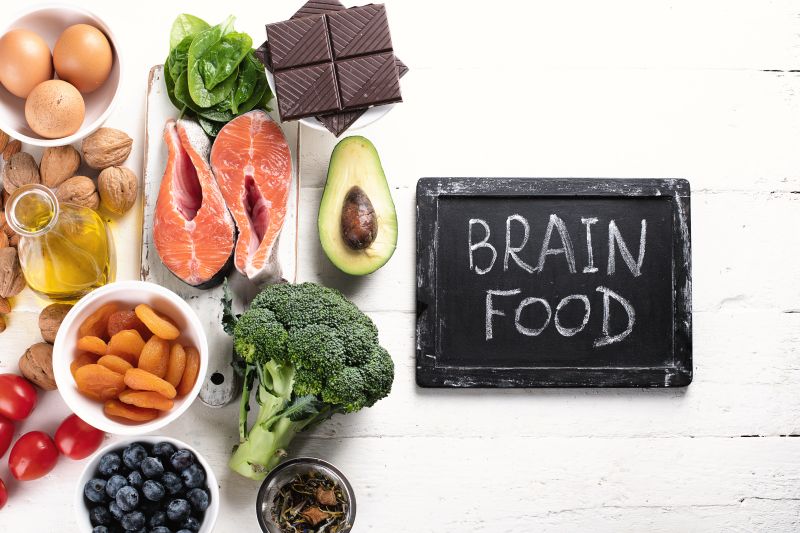
Feed Your Brain Something New
The best brain games aren’t necessarily Sudoku puzzles (though those are fine!); they are activities that force your brain to navigate something unfamiliar.
- Switch Hands:
- The Activity: Try brushing your teeth or using your computer mouse with your non-dominant hand.
- The Benefit: This simple frustration forces neurons in your brain to fire in new patterns to control the unfamiliar movement.
- Learn a “Complex” Skill:
- The Activity: Learning a new language, playing a musical instrument, or learning to dance.
- The Benefit: Dancing is a triple-threat: it requires physical coordination, memory (for the steps), and social interaction. It is one of the top activities linked to reduced dementia risk.
- Break the Routine:
- The Activity: Take a different route to the grocery store. Rearrange the furniture in your office. Read a book in a genre you usually hate.
- The Benefit: New environments force your brain to pay attention rather than predicting what comes next.
Your brain loves a challenge. By injecting a little bit of “newness” into your week, you’re building a cognitive reserve that will keep you sharp for years to come.
Sources Cited:
Harvard Health Publishing. (2025). Train your brain. It’s about quality and belonging.
Alzheimer’s Society. (2024). How to reduce your risk of dementia.
Cleveland Clinic. (n.d.). Neuroplasticity: How to Rewire Your Brain.
- Nurture Your Inner Circle:
- The Tip: Deep relationships provide an emotional safety net.
- The Action: Schedule regular catch-ups. A weekly phone call with a sibling or a monthly coffee date with a best friend creates a routine of support that helps buffer you against life’s stressors.
- Find Your “Third Place”:
- The Tip: Sociologists refer to home as the “first place” and work as the “second place.” Your “third place” is where you find community.
- The Action: Join a group based on a shared interest. It could be a run club, a book club, a volunteer organization, or a church. Doing an activity alongside others is one of the easiest ways to bond.
- Embrace Micro-Connections:
- The Tip: Casual interactions matter more than you think.
- The Action: Take your headphones off at the coffee shop. Say hello to your neighbor. Chat with the cashier. These small moments of recognition release oxytocin (the bonding hormone) and remind us that we are part of a community.
In a digital world, it’s easy to feel isolated. Make “social fitness” a priority—reach out, show up, and let connection keep you healthy.
Sources Cited:
- U.S. Surgeon General’s Advisory. (2023). Our Epidemic of Loneliness and Isolation.
- CDC. (2024). Social Connection and Health.
- Stanford Medicine. (n.d.). Connectedness & Health: The Science of Social Connection.
About Umedoc Health Blog
At Umedoc, we’re committed to providing updated, accurate, and accessible health information to empower your wellness decisions. For more tips, health updates, and medical guidance, subscribe or bookmark our blog today.

This article reviewed by Dr. Jim Liu, MD.
There’s nothing more important than our good health – that’s our principal capital asset.
#medical #telehealth #umedoc #ecnoglutide #GLP #weight loss #Wegovy #diet